Concord
A passive bedside health tracker designed to make long-term health monitoring effortless.
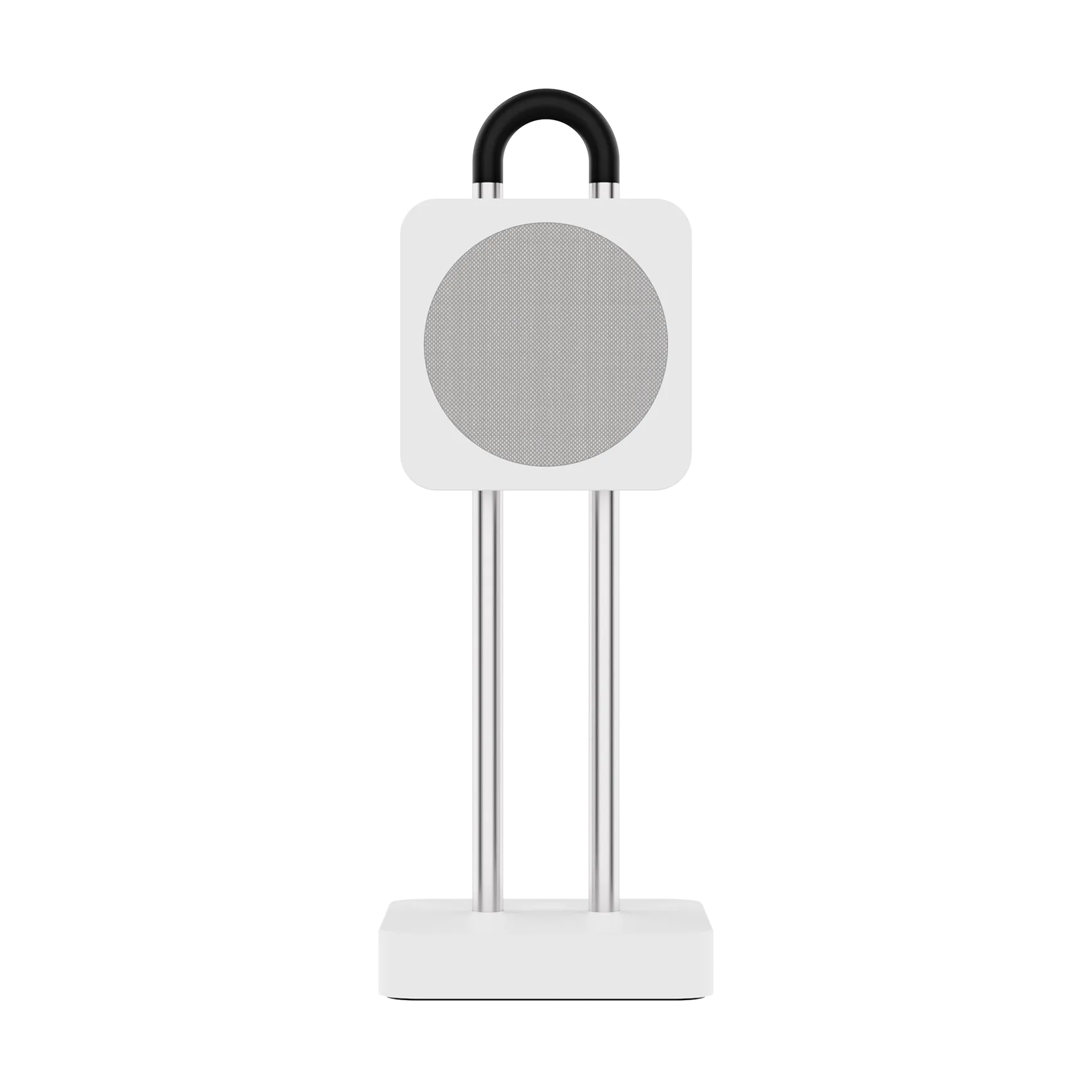
Wearable health trackers can provide valuable—and sometimes life-saving—insight, but that value depends on people continuing to use them. Concord is a passive sleep tracker that measures resting heart rate, heart rate variability, and sleep stages while the user sleeps, eliminating the need to wear or charge a device throughout the day.
Context
Health data becomes more useful when it’s collected consistently over time. Personal baselines for metrics like resting heart rate (RHR), heart rate variability (HRV), and sleep can reveal how changes in behavior affect recovery and wellness and make deviations easier to identify.
The problem is adherence. Many people stop using wearable health trackers because they forget to wear or charge them, find them uncomfortable at night, dislike wearing a device all day, or simply lose interest over time. A health tracker can only build a useful record if the user keeps collecting data.
We set out to capture the most valuable health metrics without requiring the user to actively do anything.
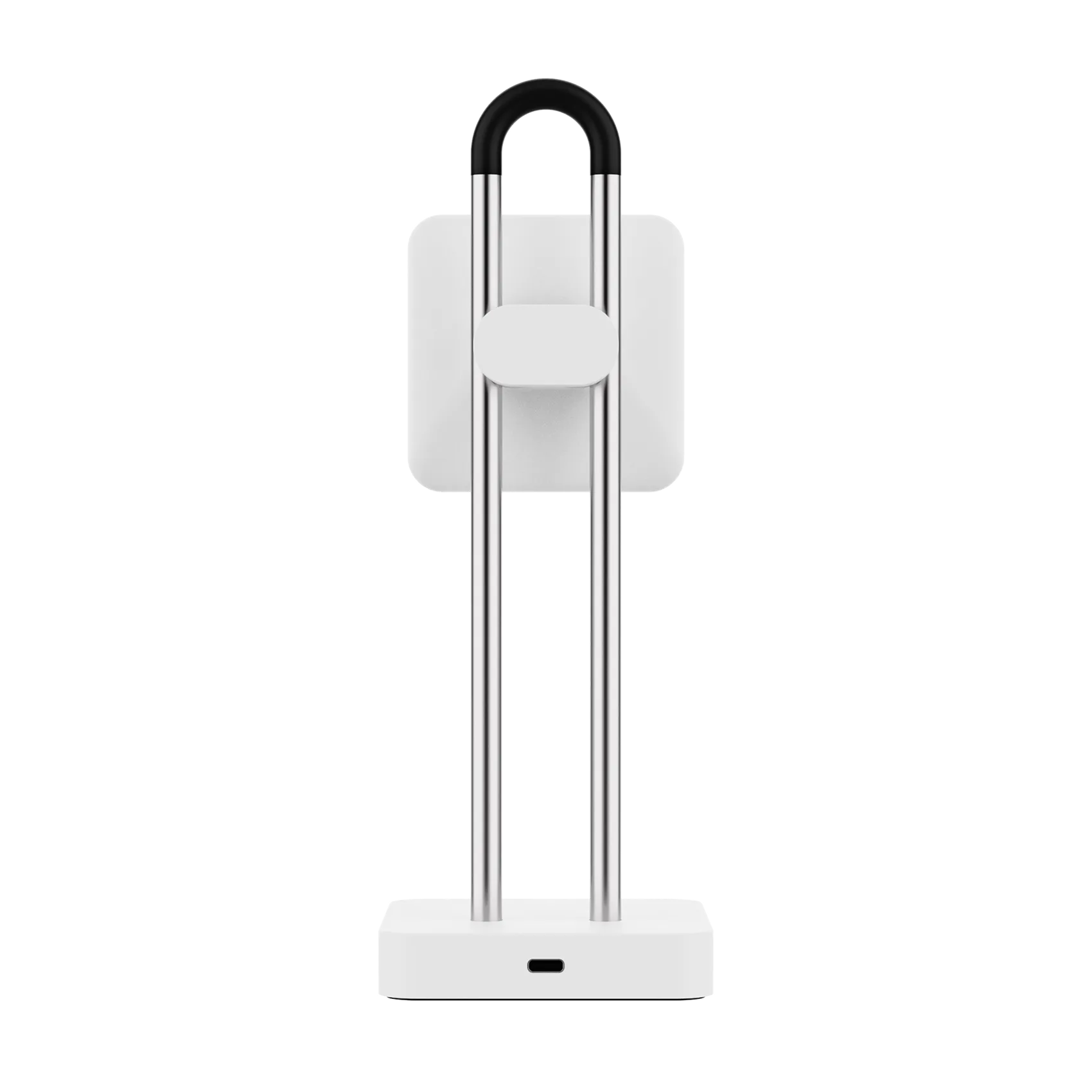
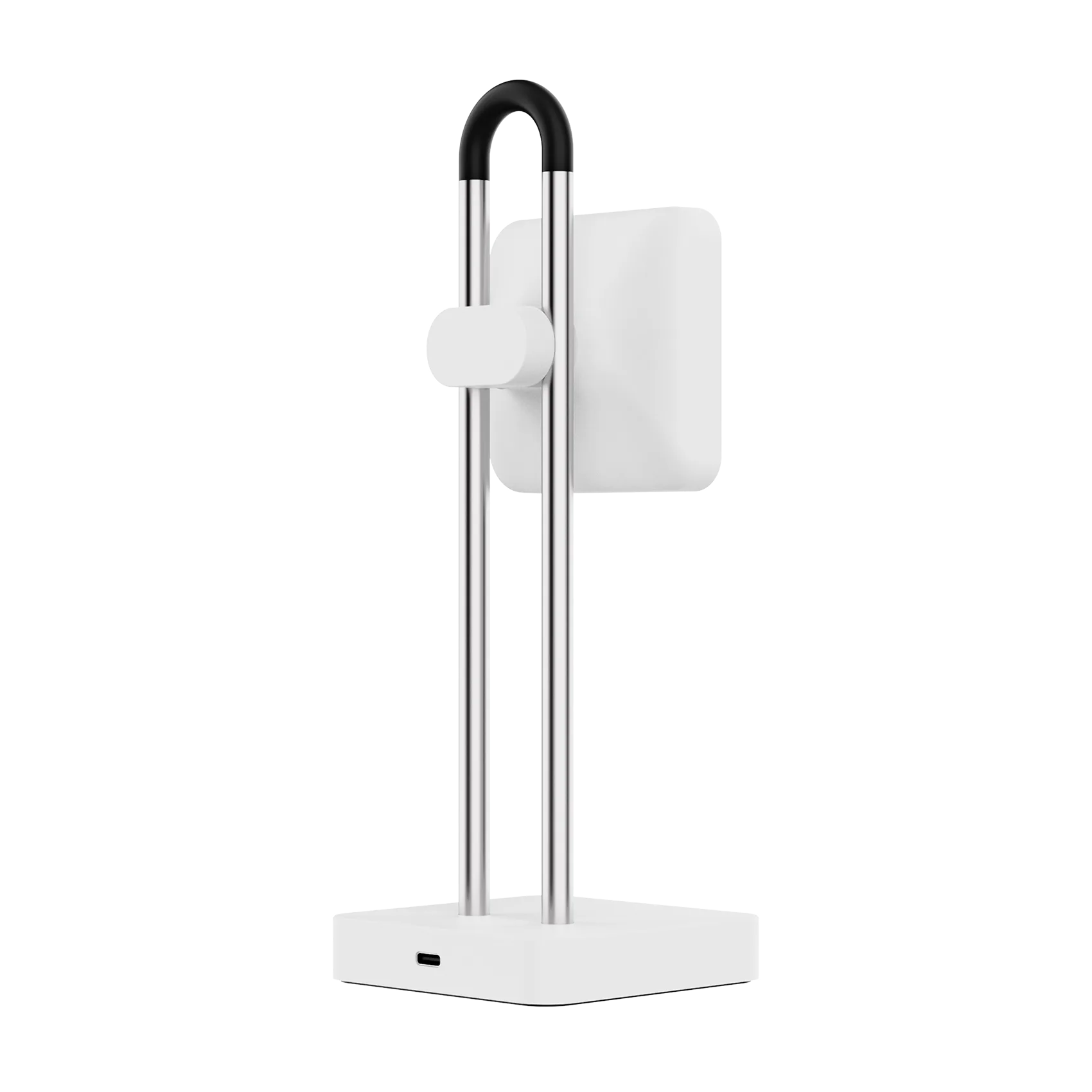
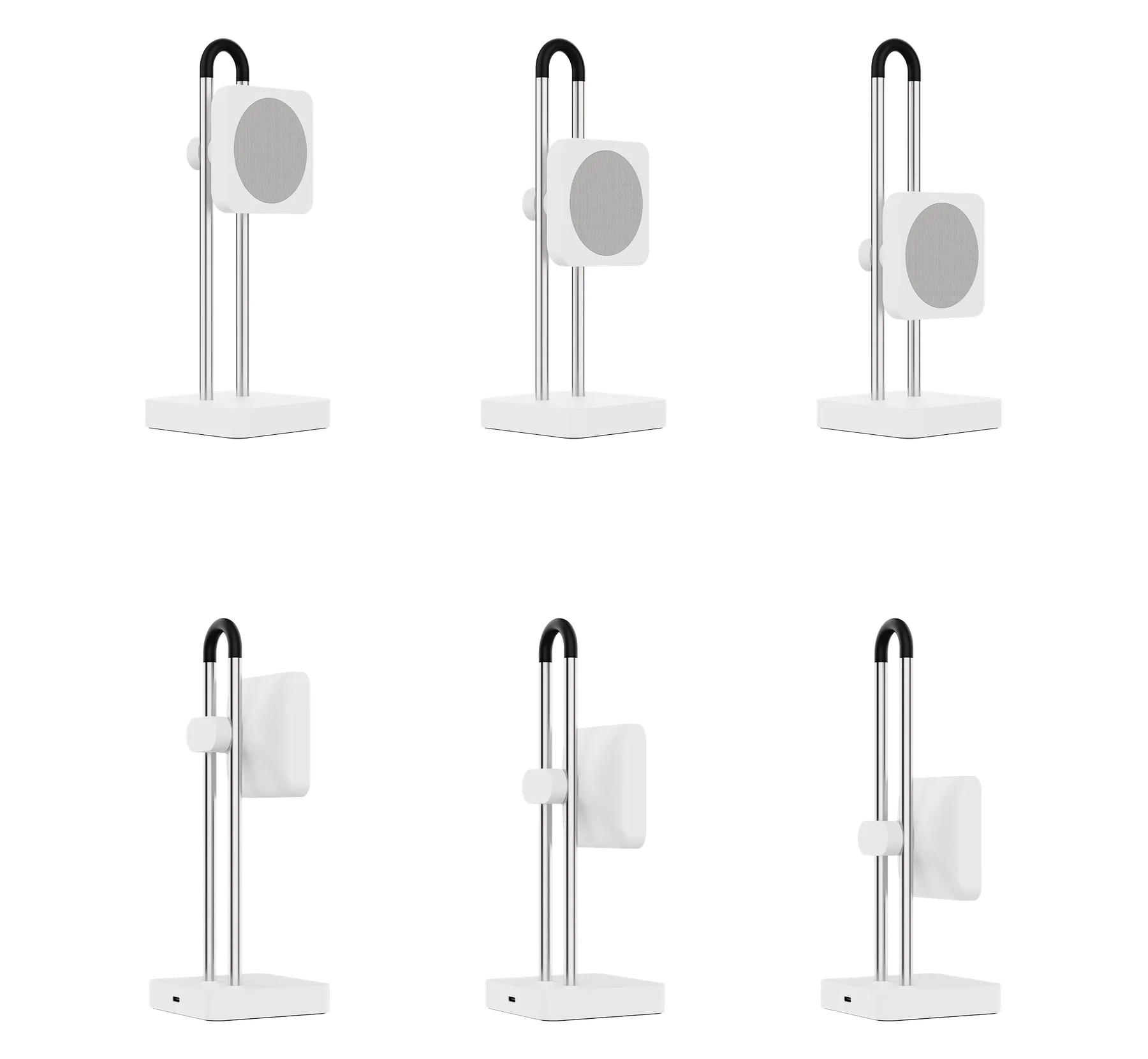
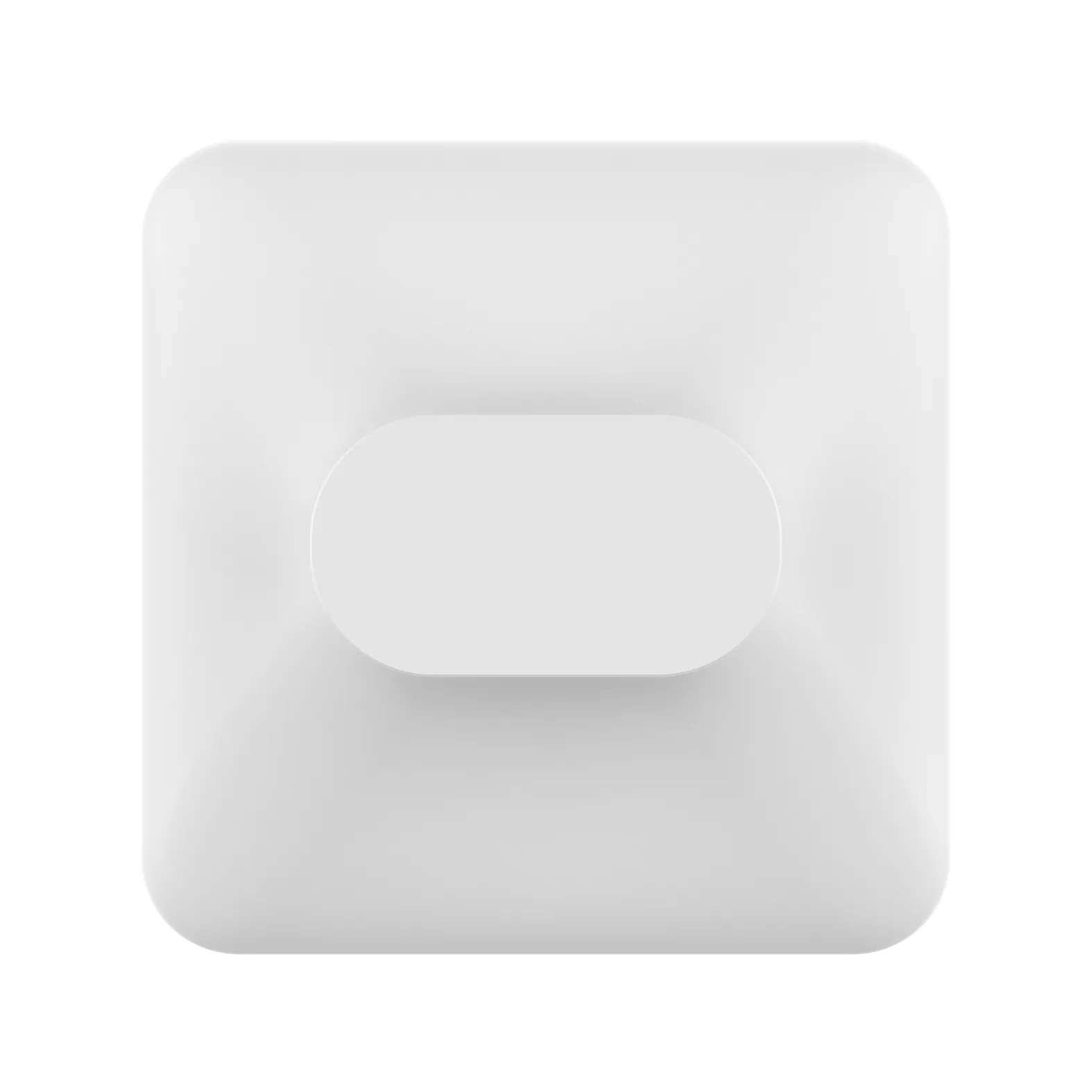
Positioned beside the bed, our device uses millimeter-wave radar to detect extremely small movements in the body while a person sleeps. From these signals, we can estimate heart rate, heart rate variability, breathing, movement, and sleep stages without a watch, ring, camera, or contact sensor.
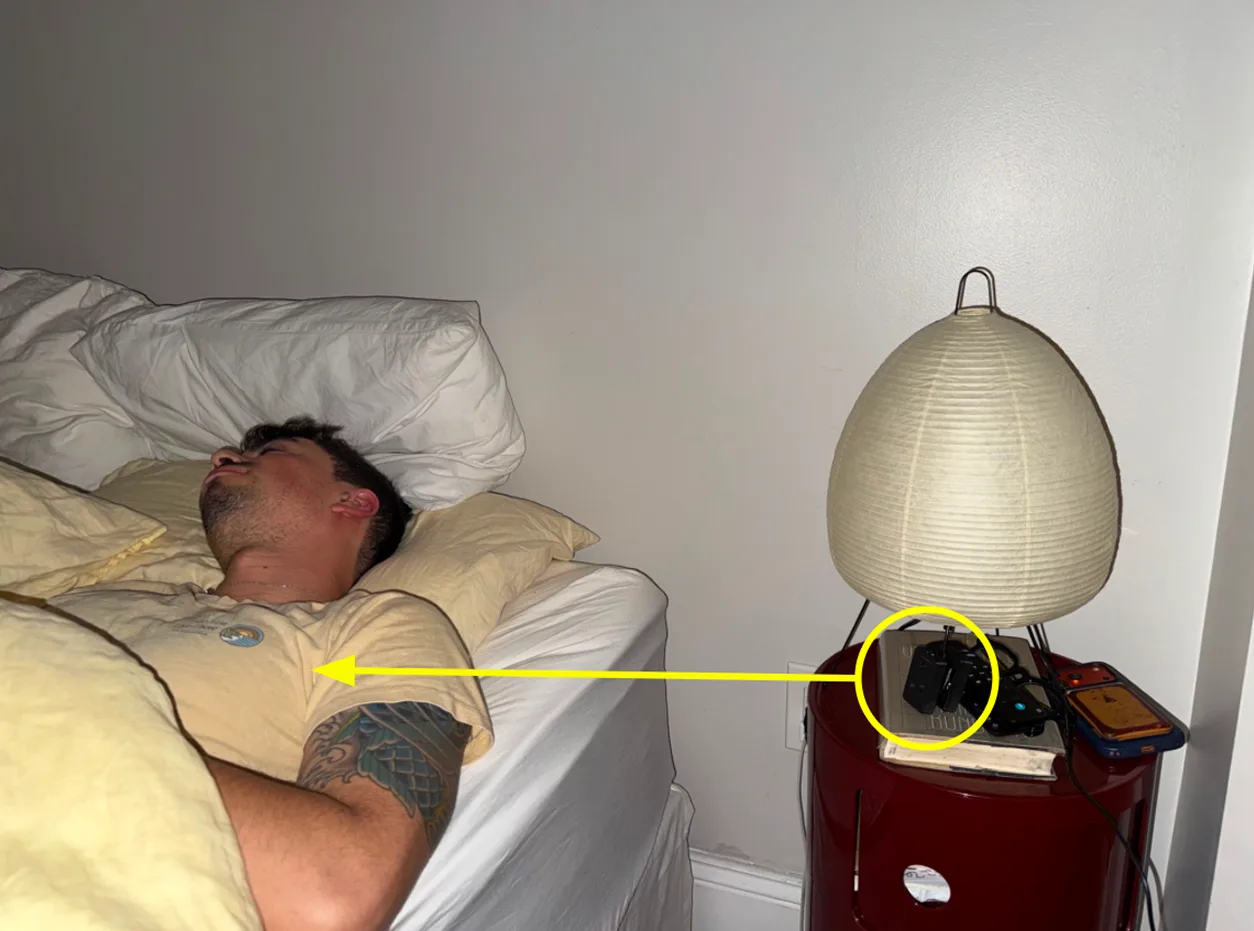
User testing
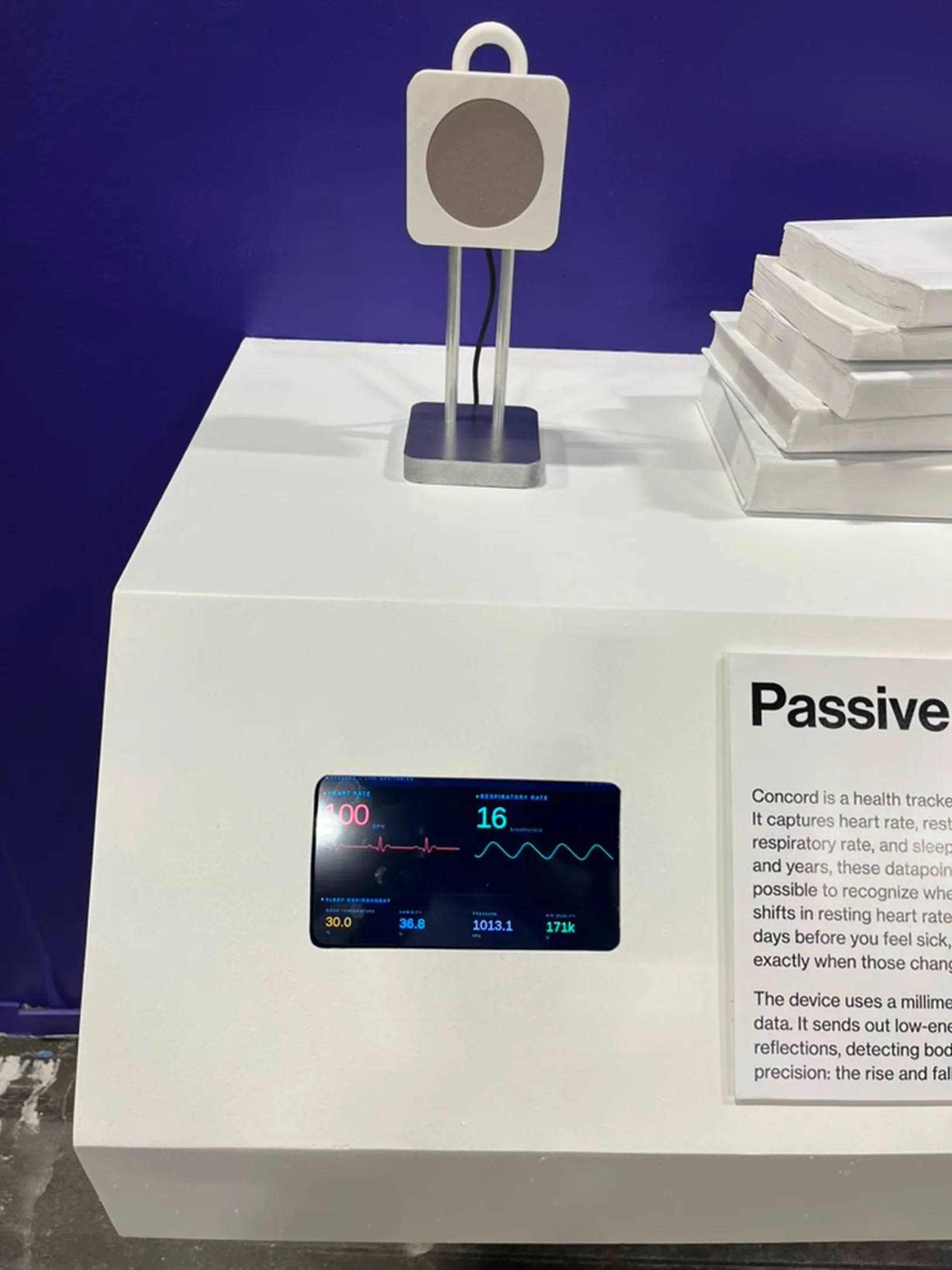
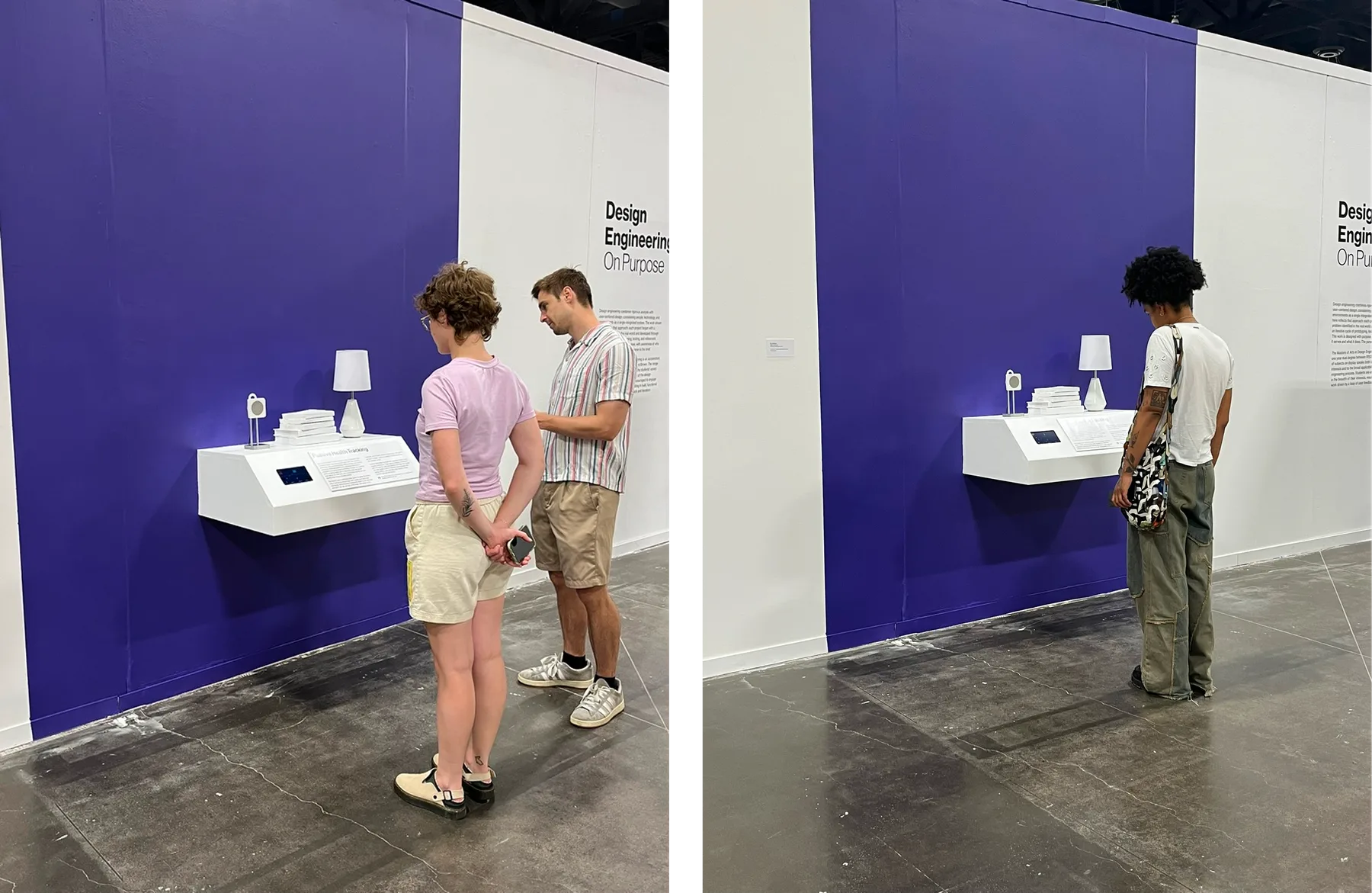
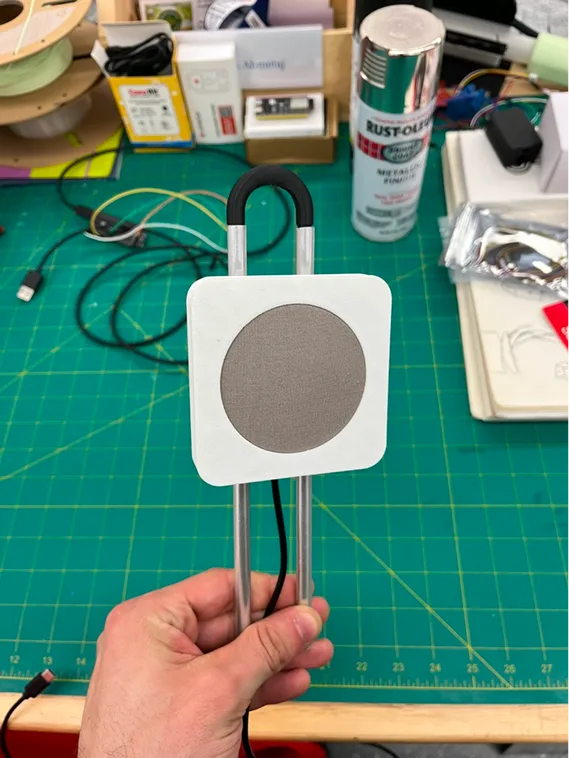
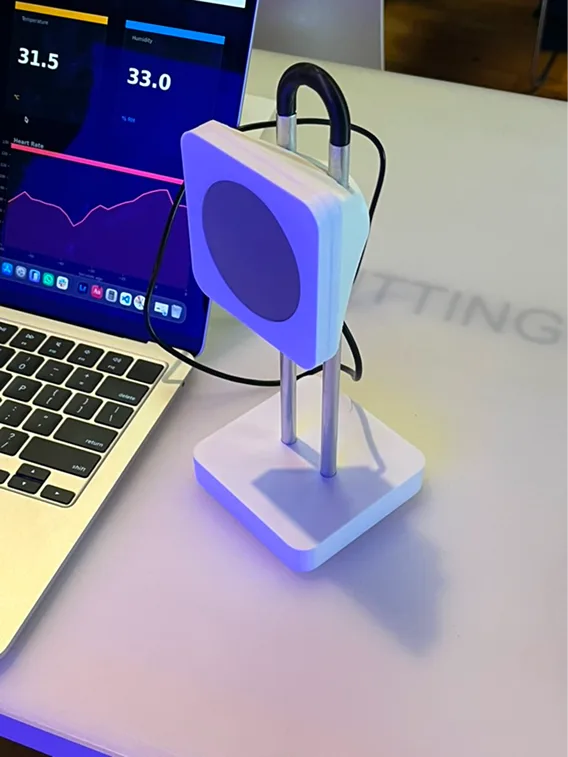
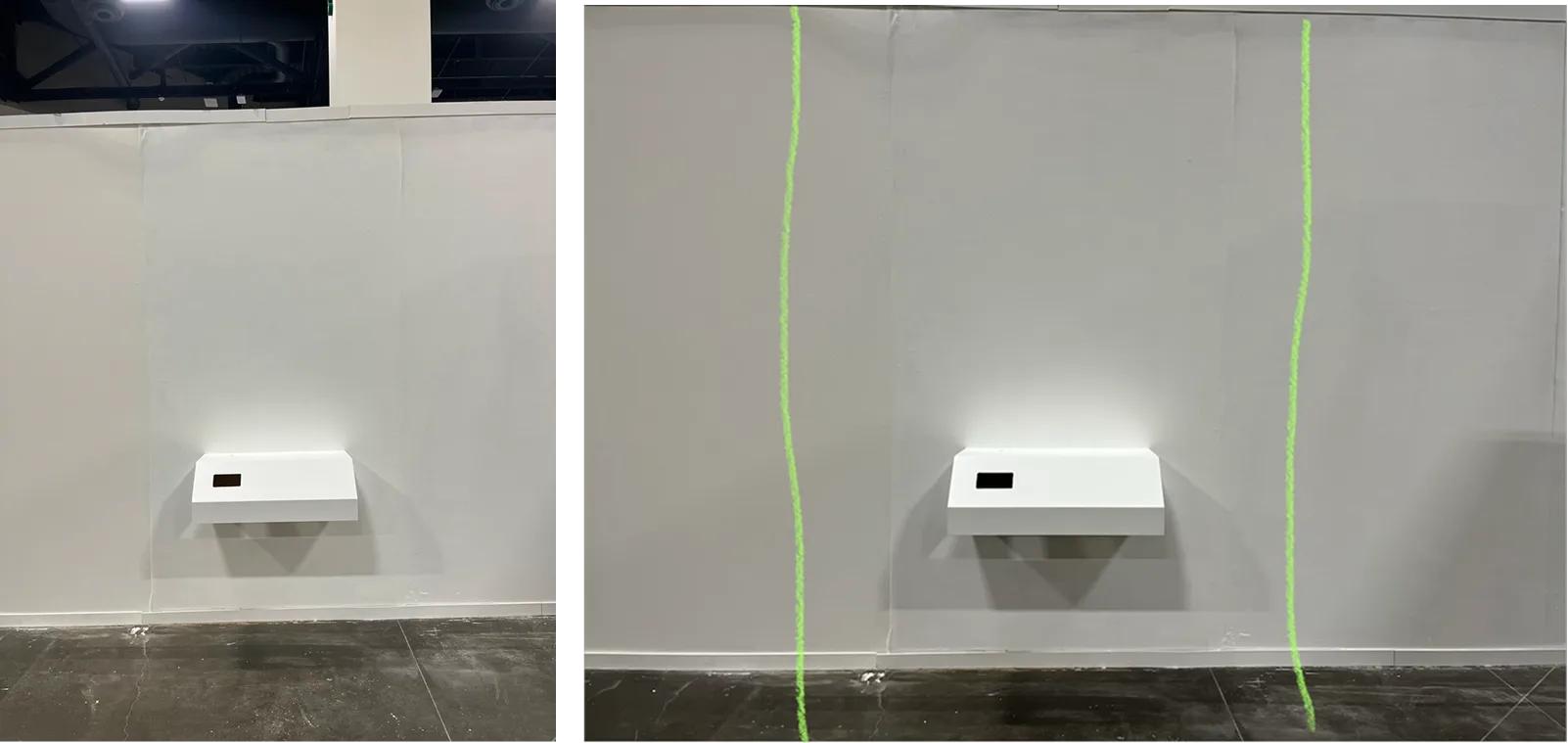
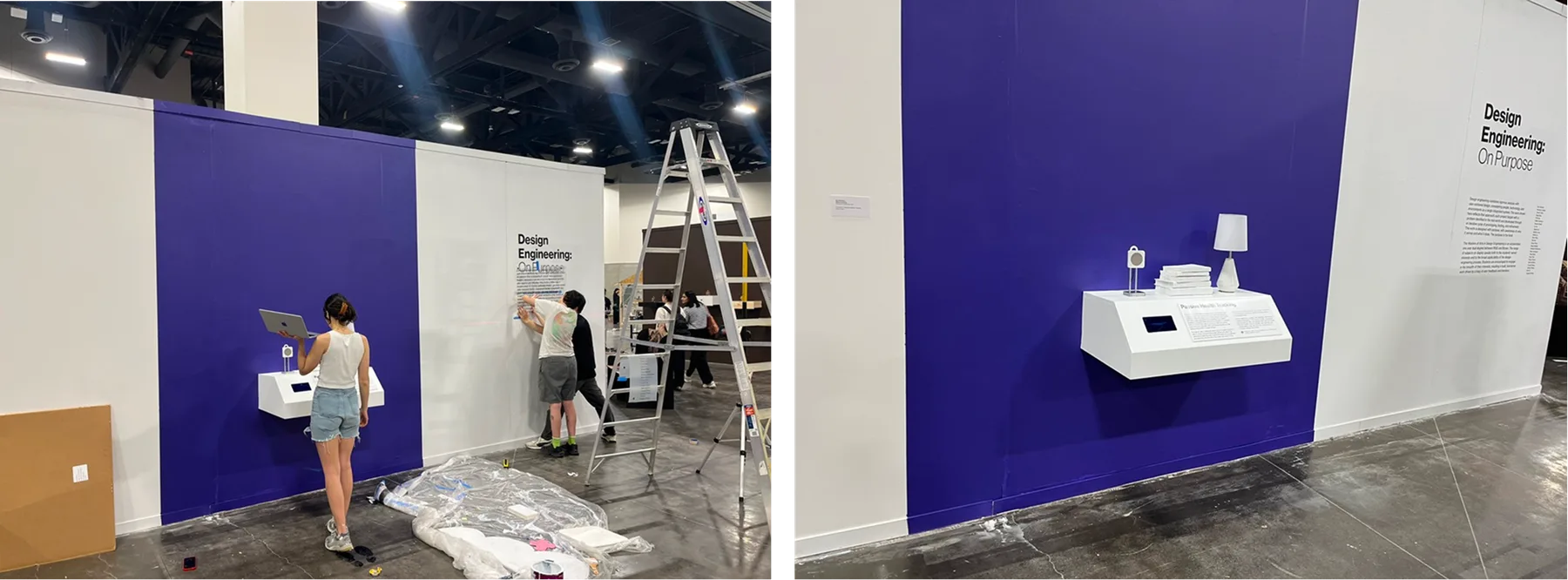
Our prototype on view in the 2026 RISD Grad Show
Process
Getting to passive sleep tracking was a long road of problem finding. We began with two (very) broad areas of interest: health and physical hardware. We surveyed new sensing technologies while conducting interviews with a wide range of potential users, including older adults, younger users, fitness enthusiasts, and people with disabilities.
Research into behavioral psychology also informed our thinking. Many health behaviors create mental overhead: whether to exercise today, which workout to do, when to put on a wearable, when to charge it, or when a change in physiology is worth paying attention to. Retirement savings face a similar behavioral problem, and address it with automatic enrollment: instead of asking someone to repeatedly decide to make contributions to their retirement account, the system makes contributing the default.
That led to an early concept we called “autopilot for personal health.” The idea was to combine wearable data and medical records into a system that could surface timely, contextual recommendations without requiring mental overhead from the user.
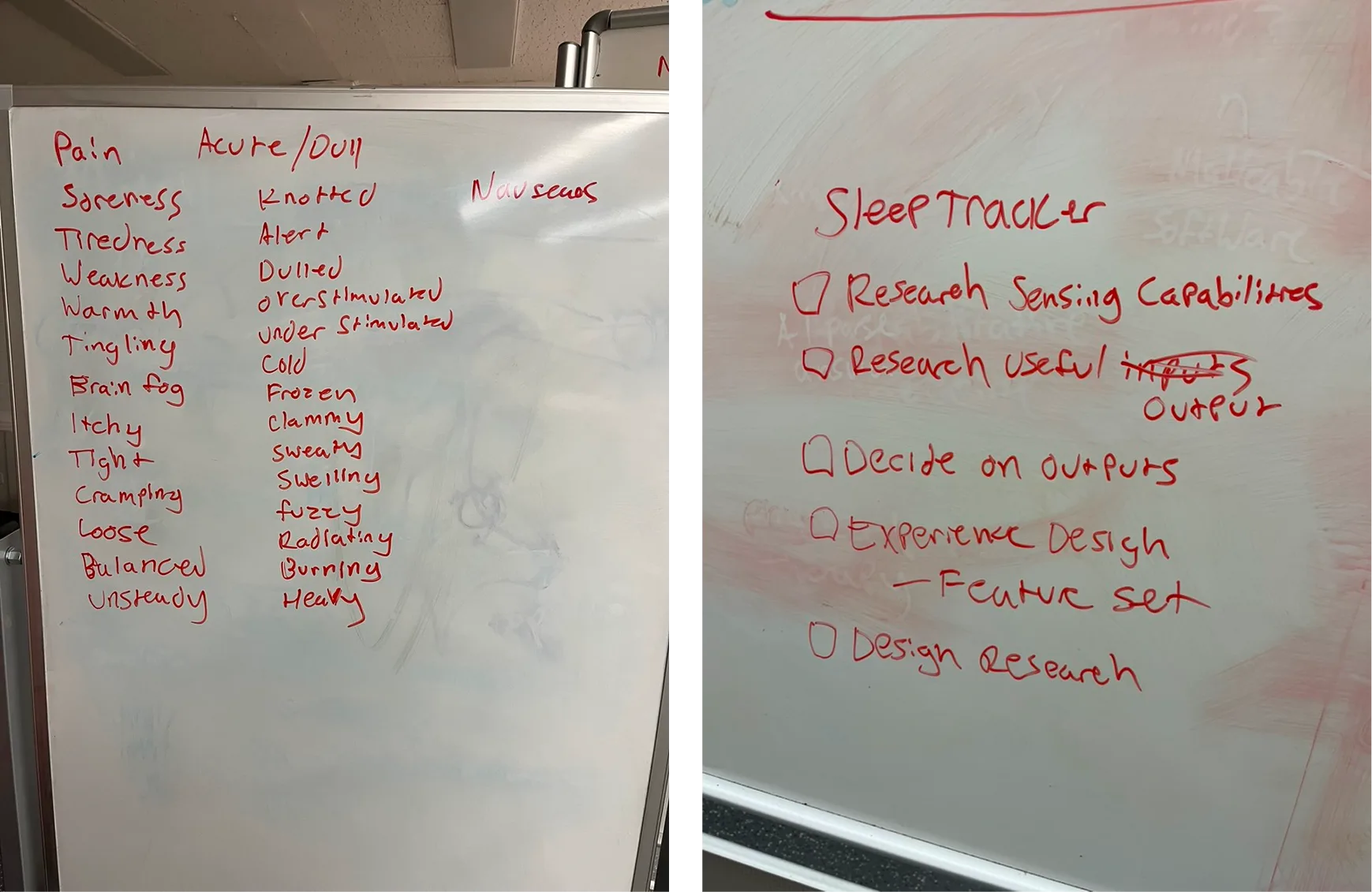

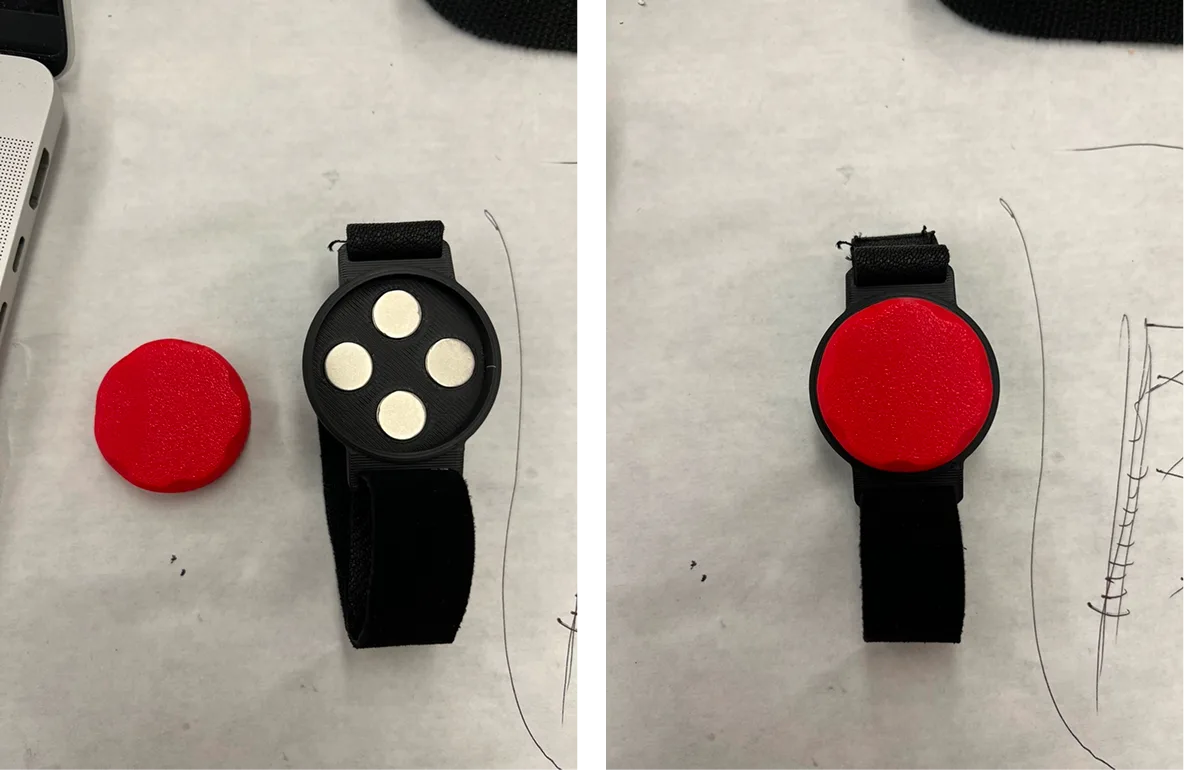
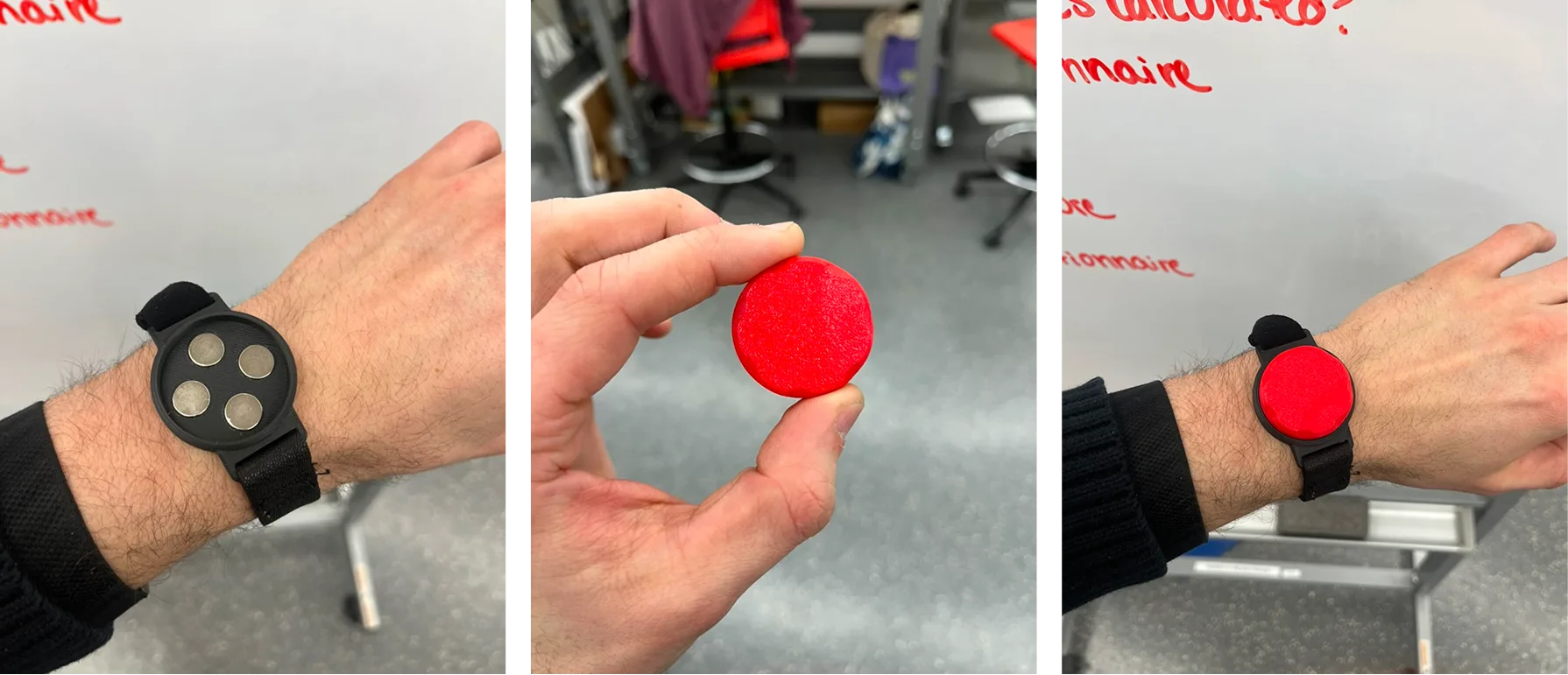
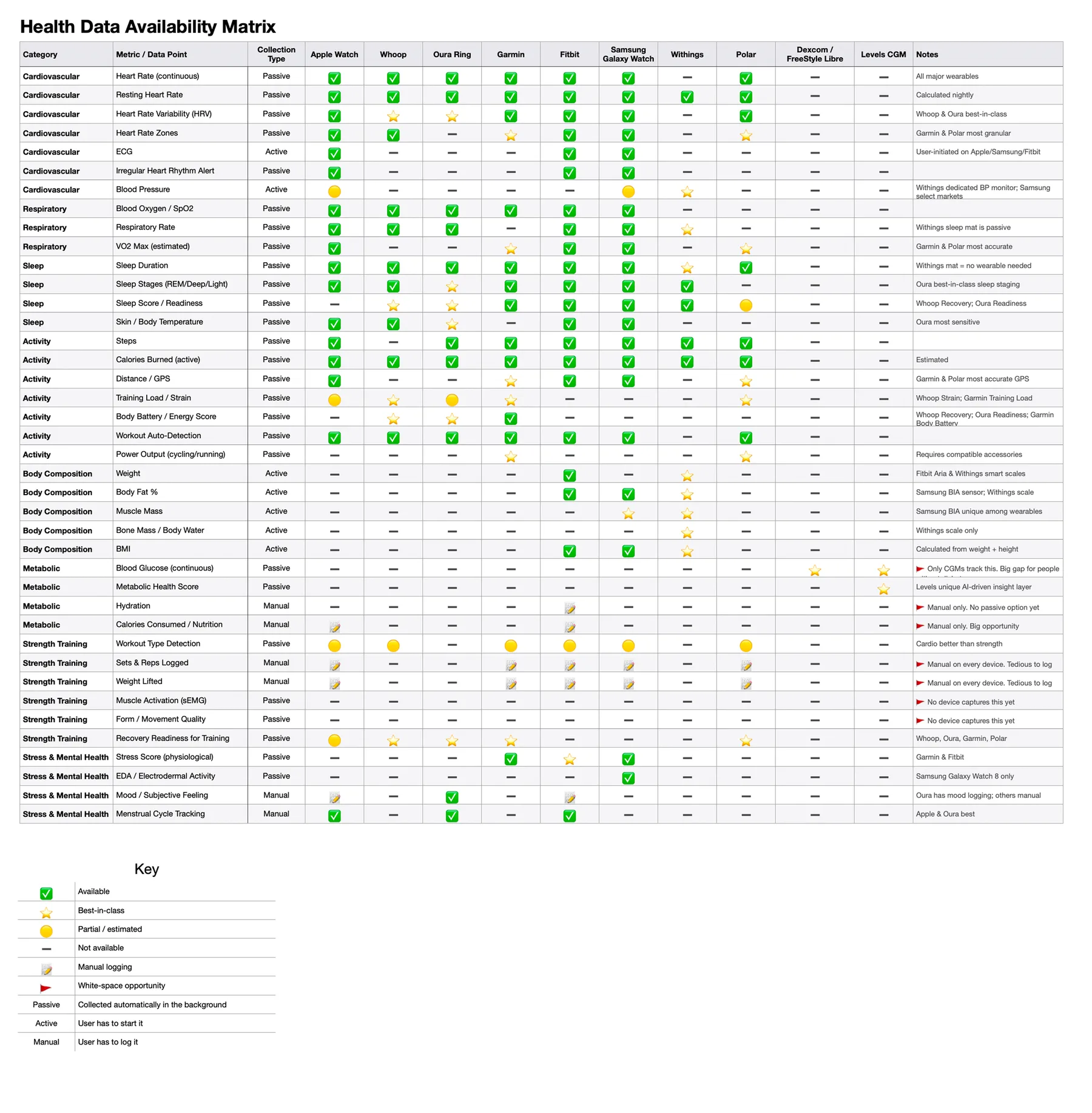
The concept was compelling but far too broad. To understand what a system like this would actually require, we mapped the health insights we wanted to provide against the data inputs necessary to generate them.
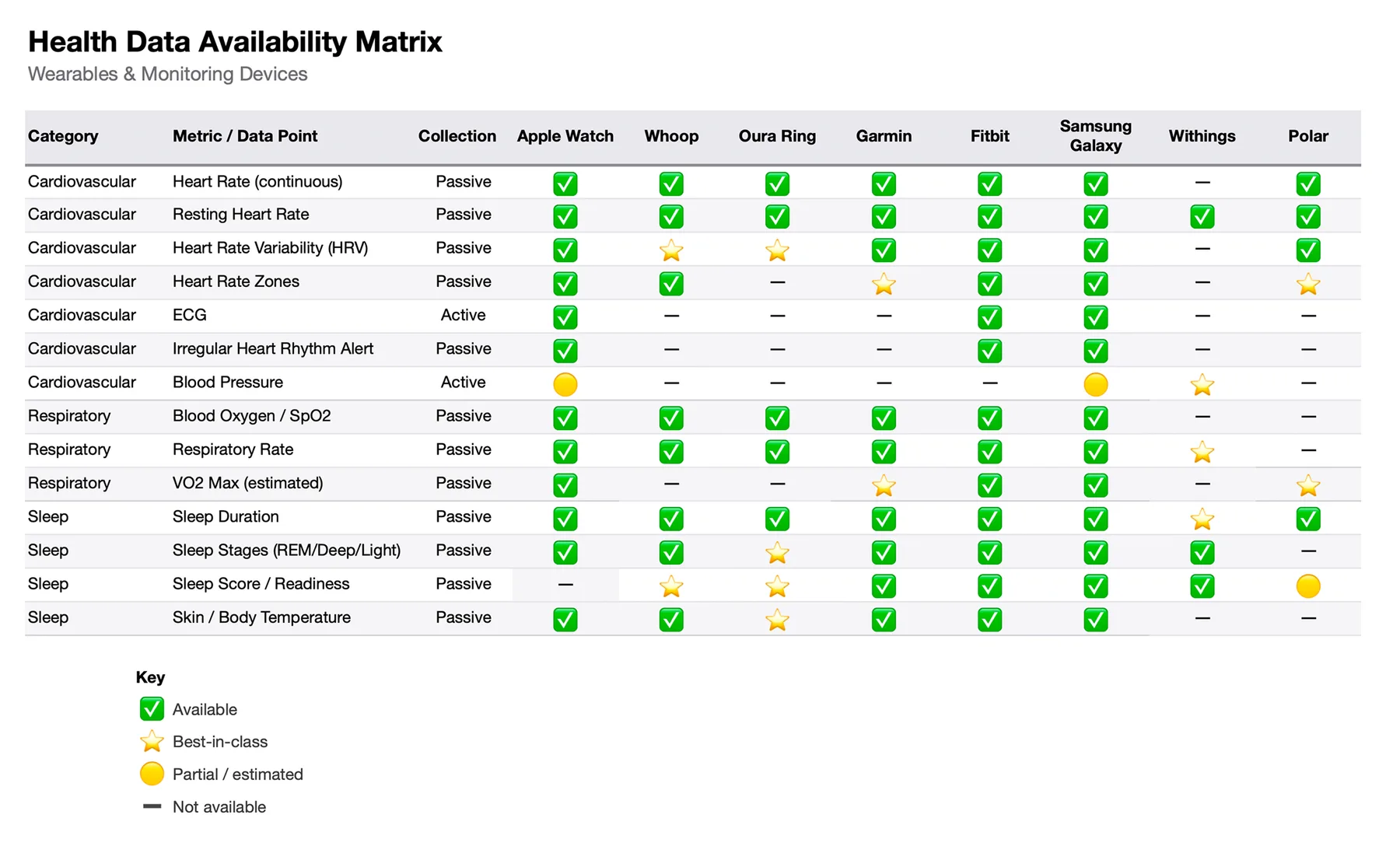
That exercise exposed a more specific opportunity. Many of the inputs we wanted depended on wearables, but wearables themselves introduced friction. We started asking a narrower question: what is the most valuable health data we could collect passively?
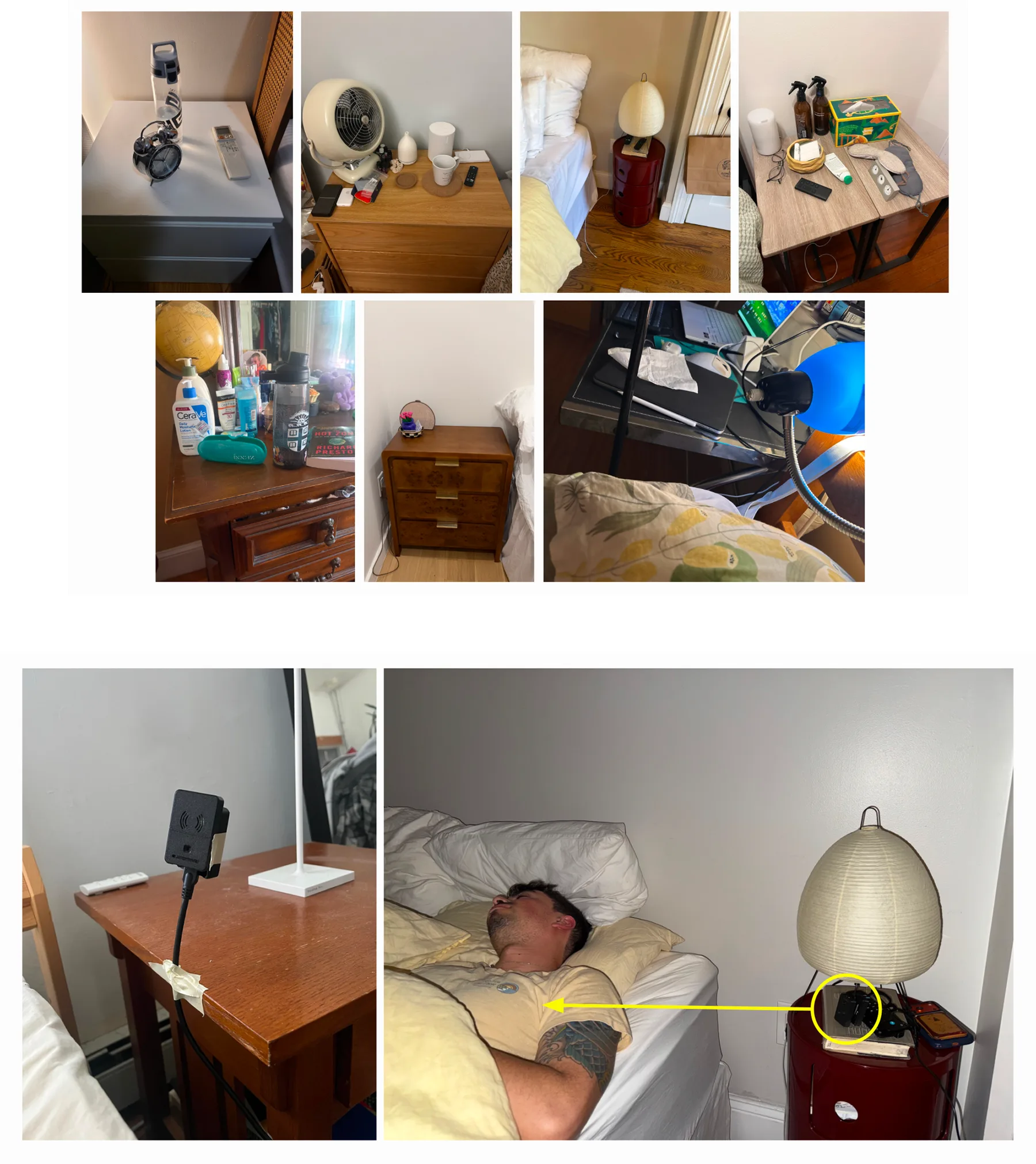
Sleep emerged as the strongest opportunity. During the night, a stationary sensor can observe the body in a controlled environment, and several important wellness metrics can be captured simultaneously.
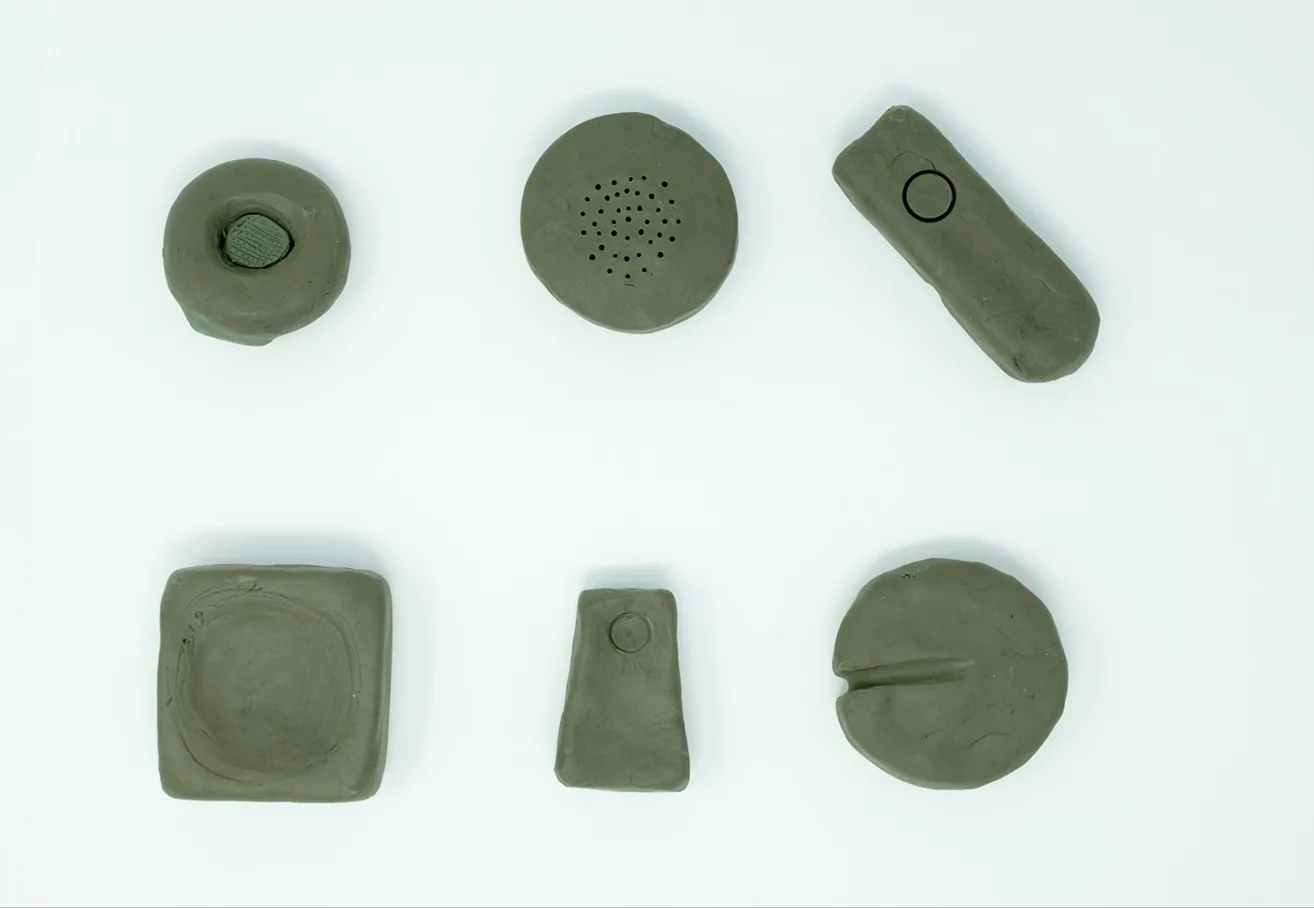
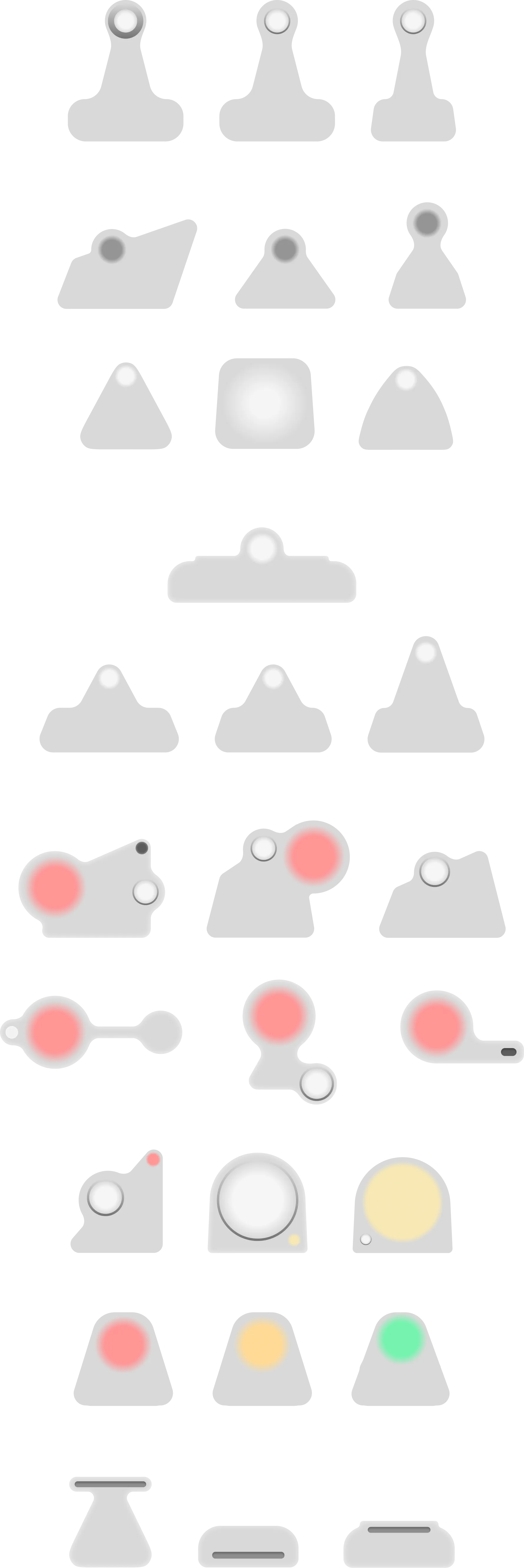
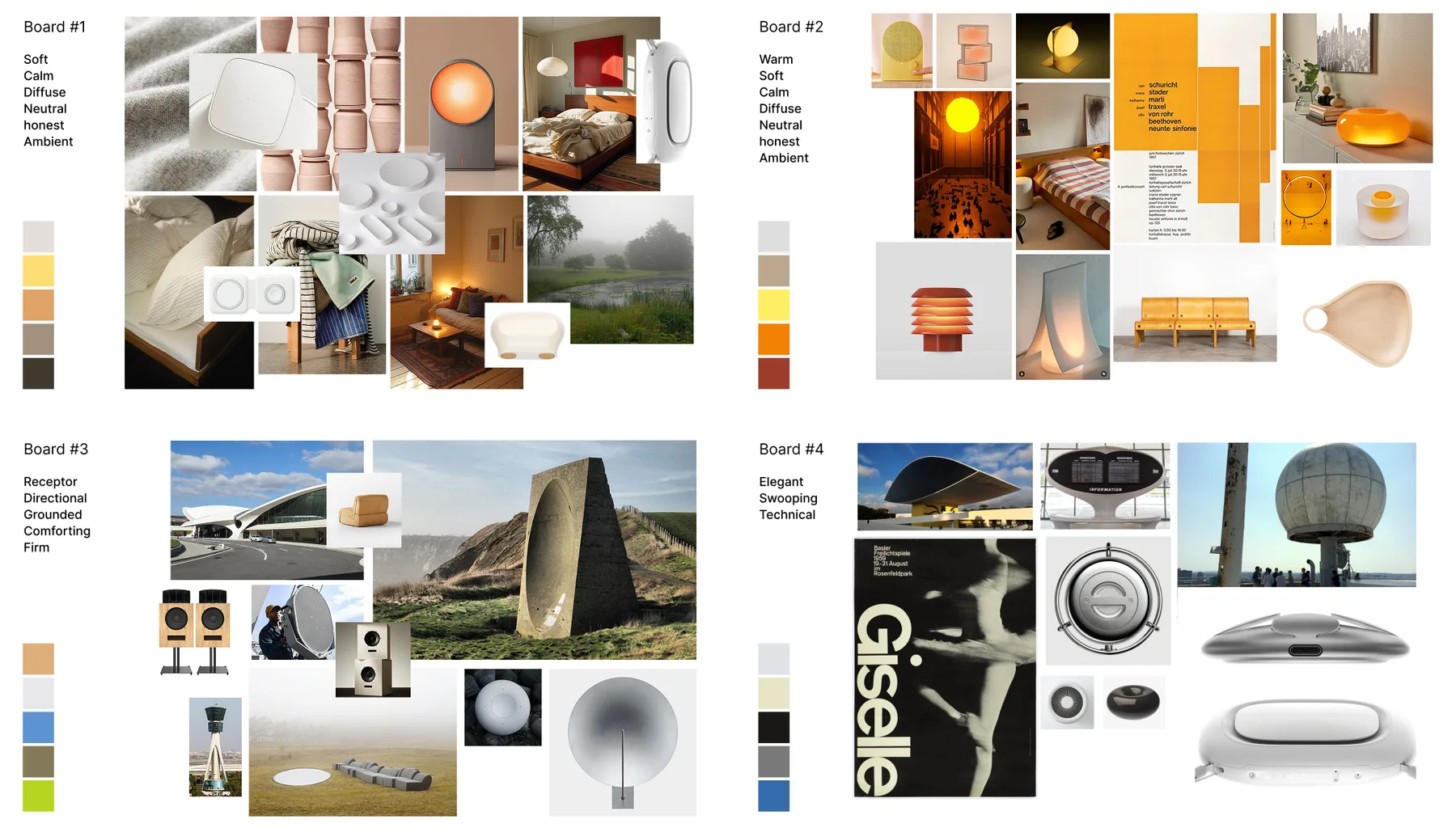
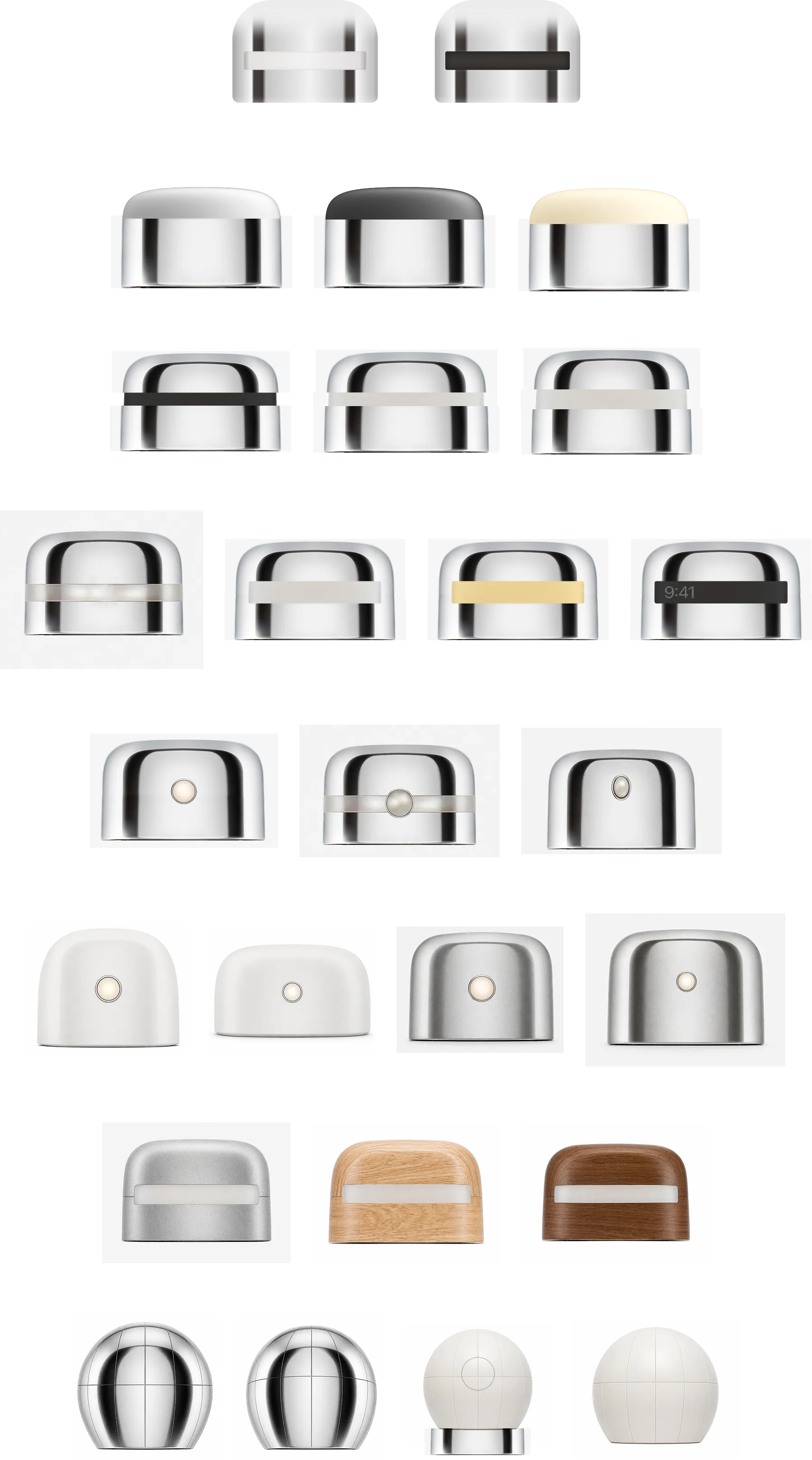
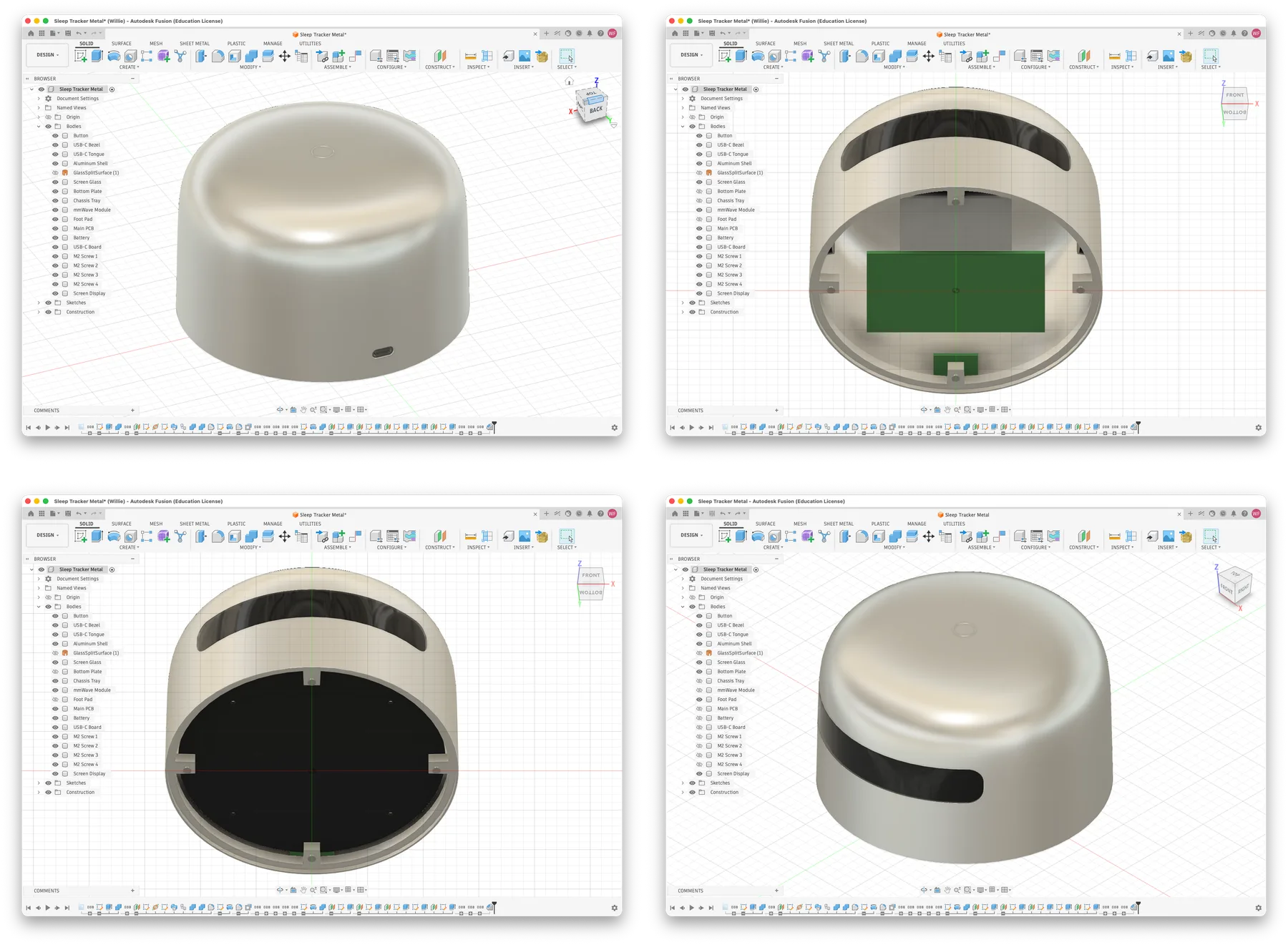
We tested several sensing approaches, including Wi-Fi and thermal cameras, and chose mmWave radar as the best option. By sending out low-energy radio waves and measuring their reflections, the sensor can detect sub-millimeter movements of the body. We developed the product architecture around this sensing technology, iterating on placement, orientation, form, and the relationship between the device and the bedside environment.

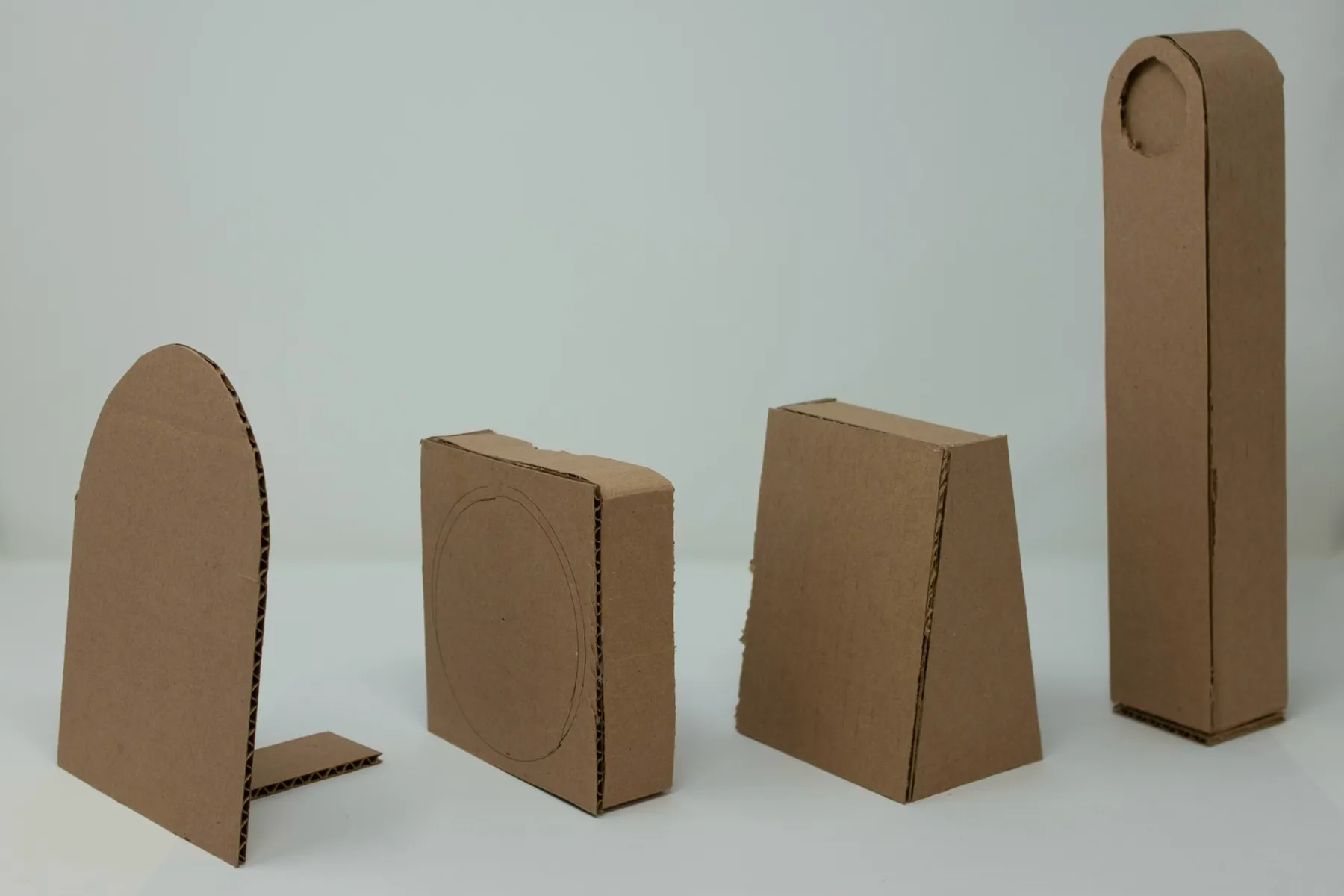
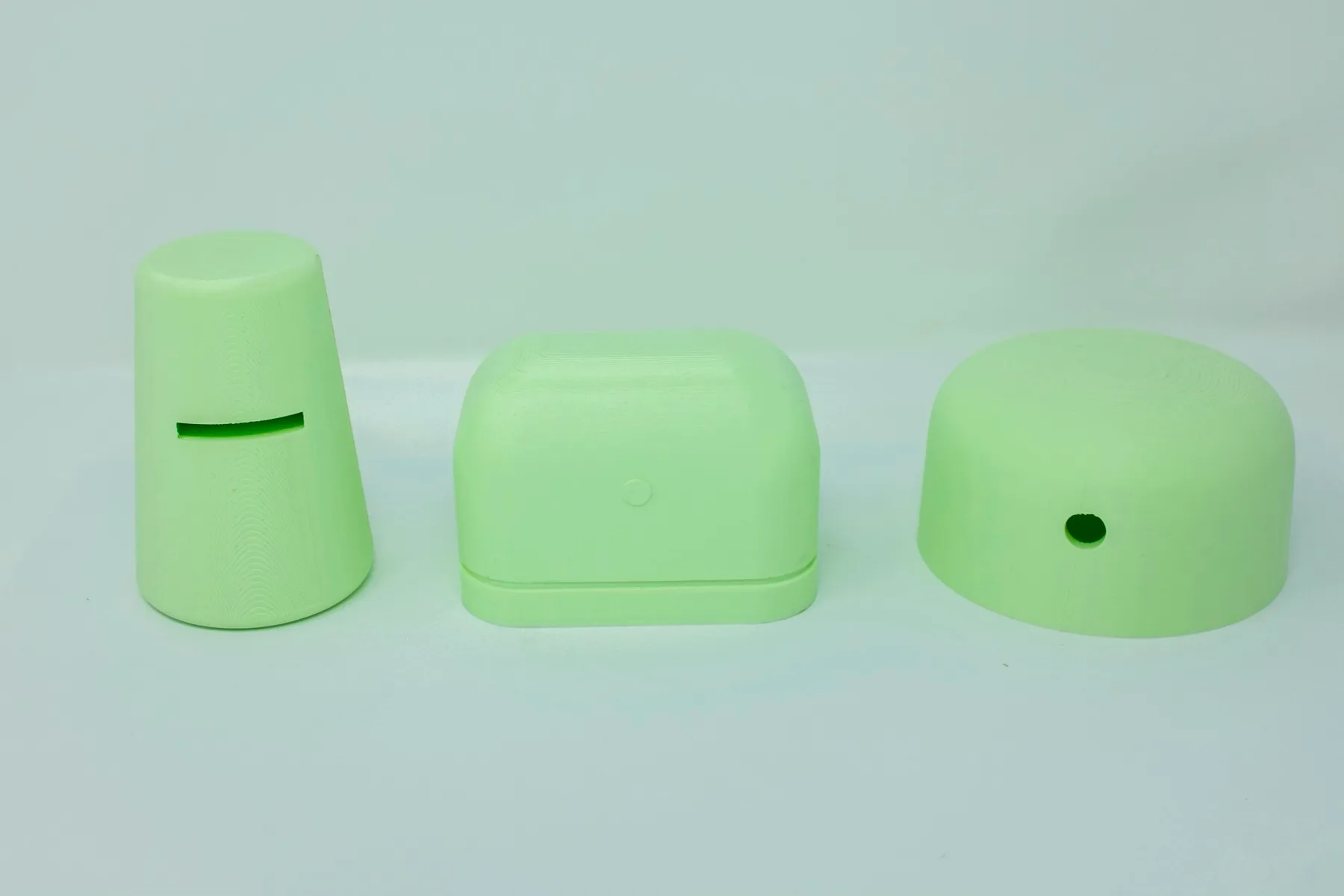
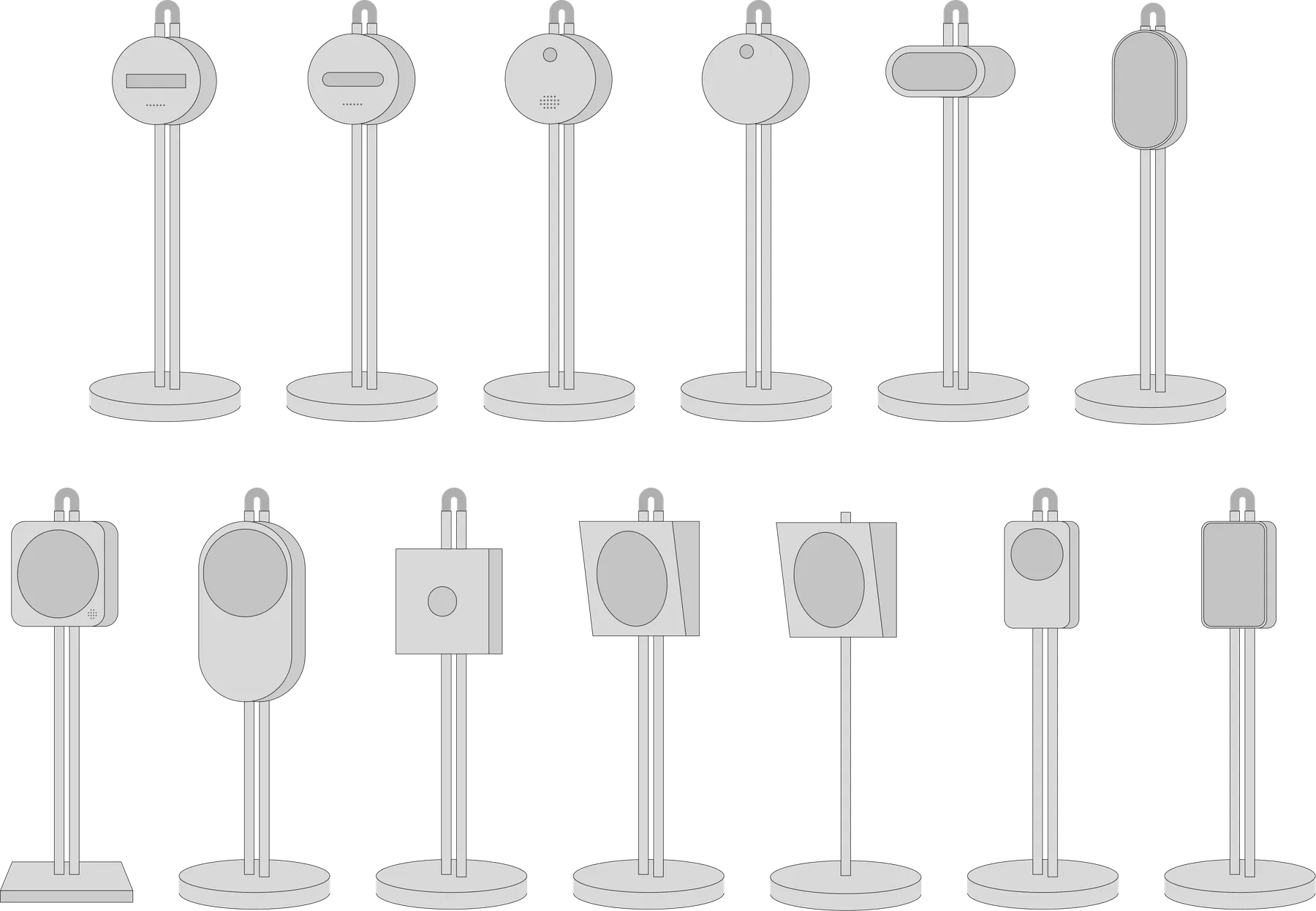
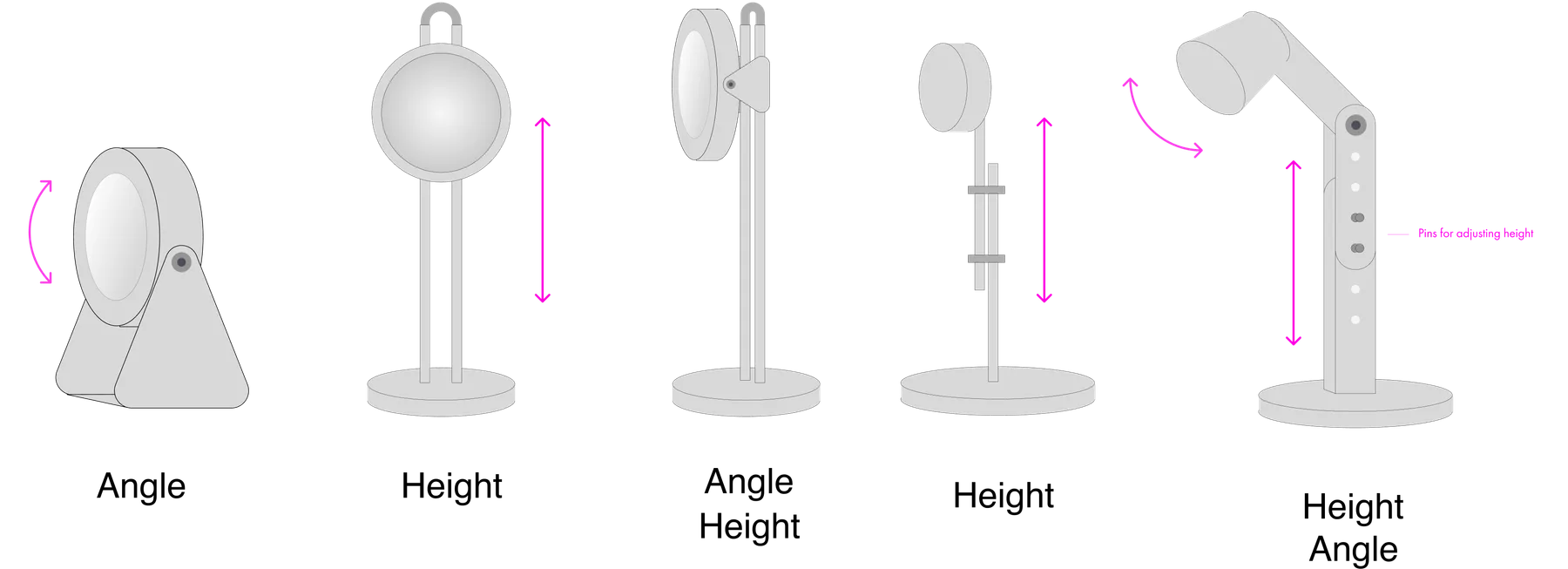
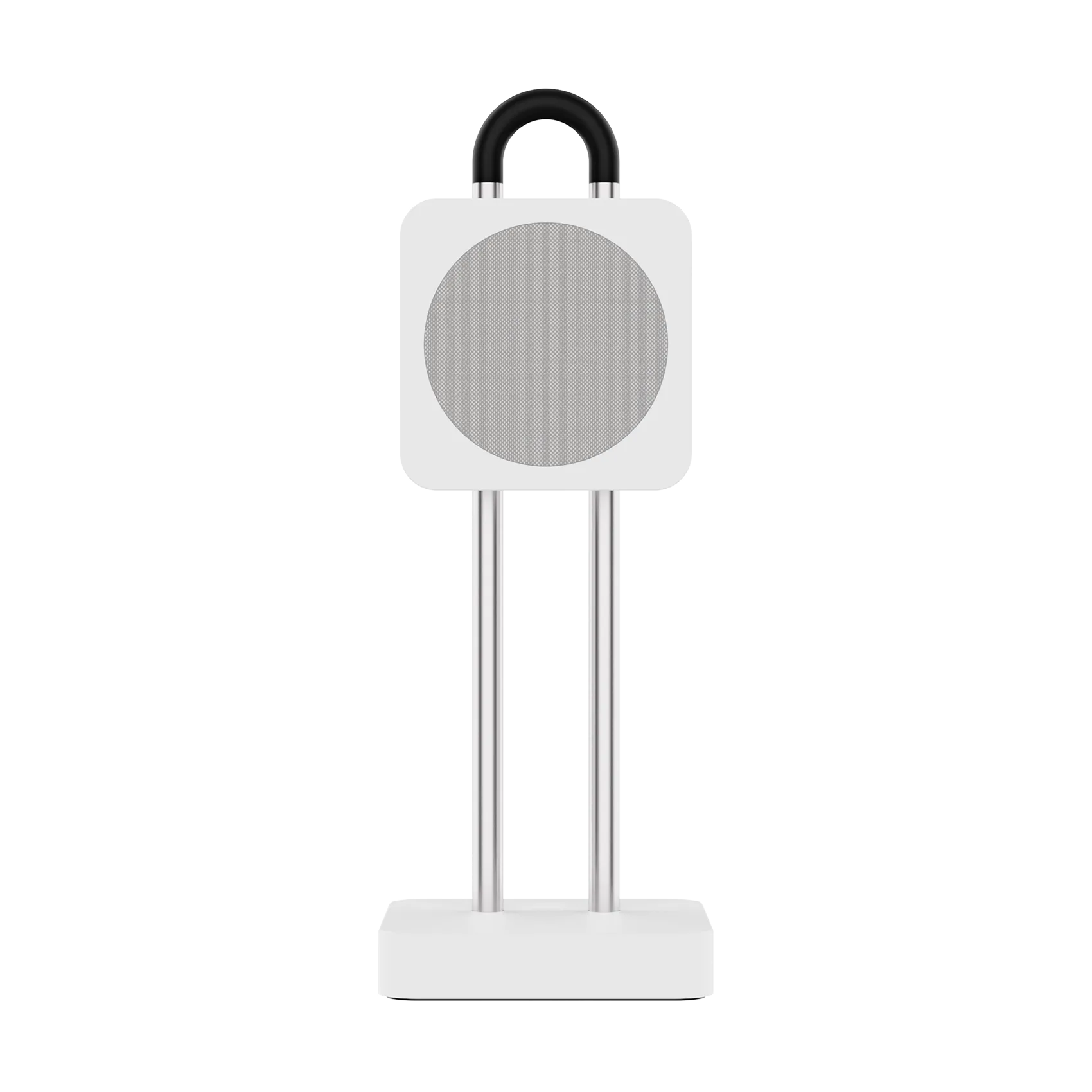
Because bedside furniture varies in height, we designed the sensor head to adjust vertically along two guide rods. This idea, which we developed from user research and physical testing, was ultimately fabricated and exhibited at the RISD Grad Show.
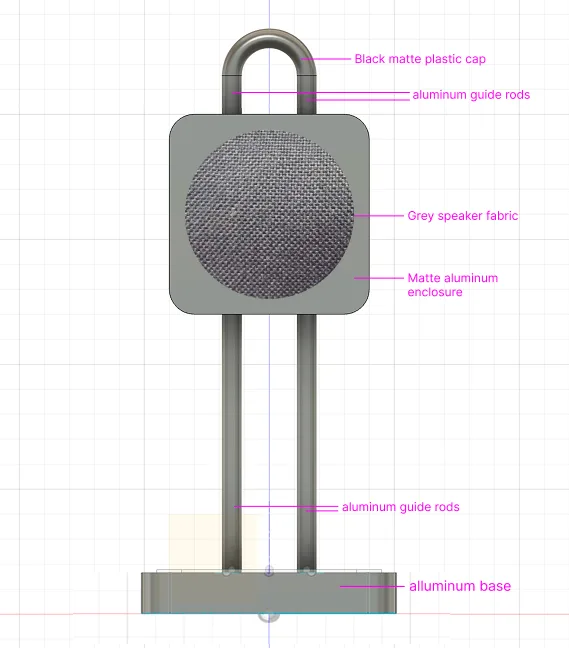
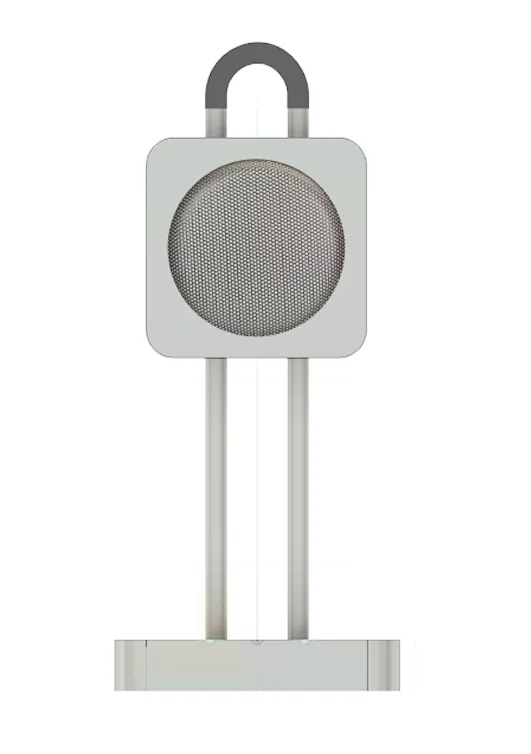
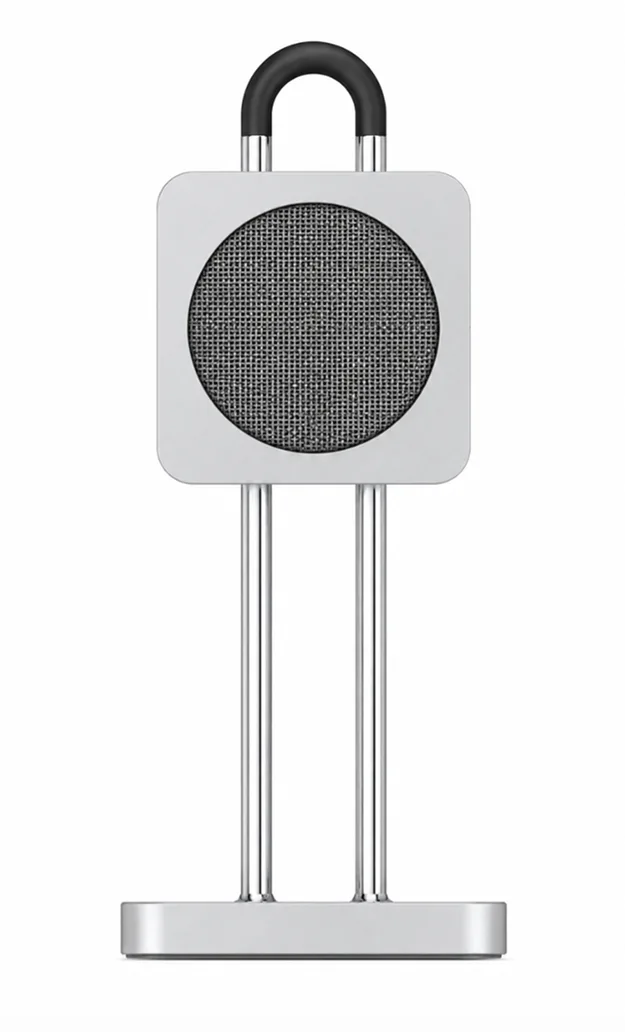
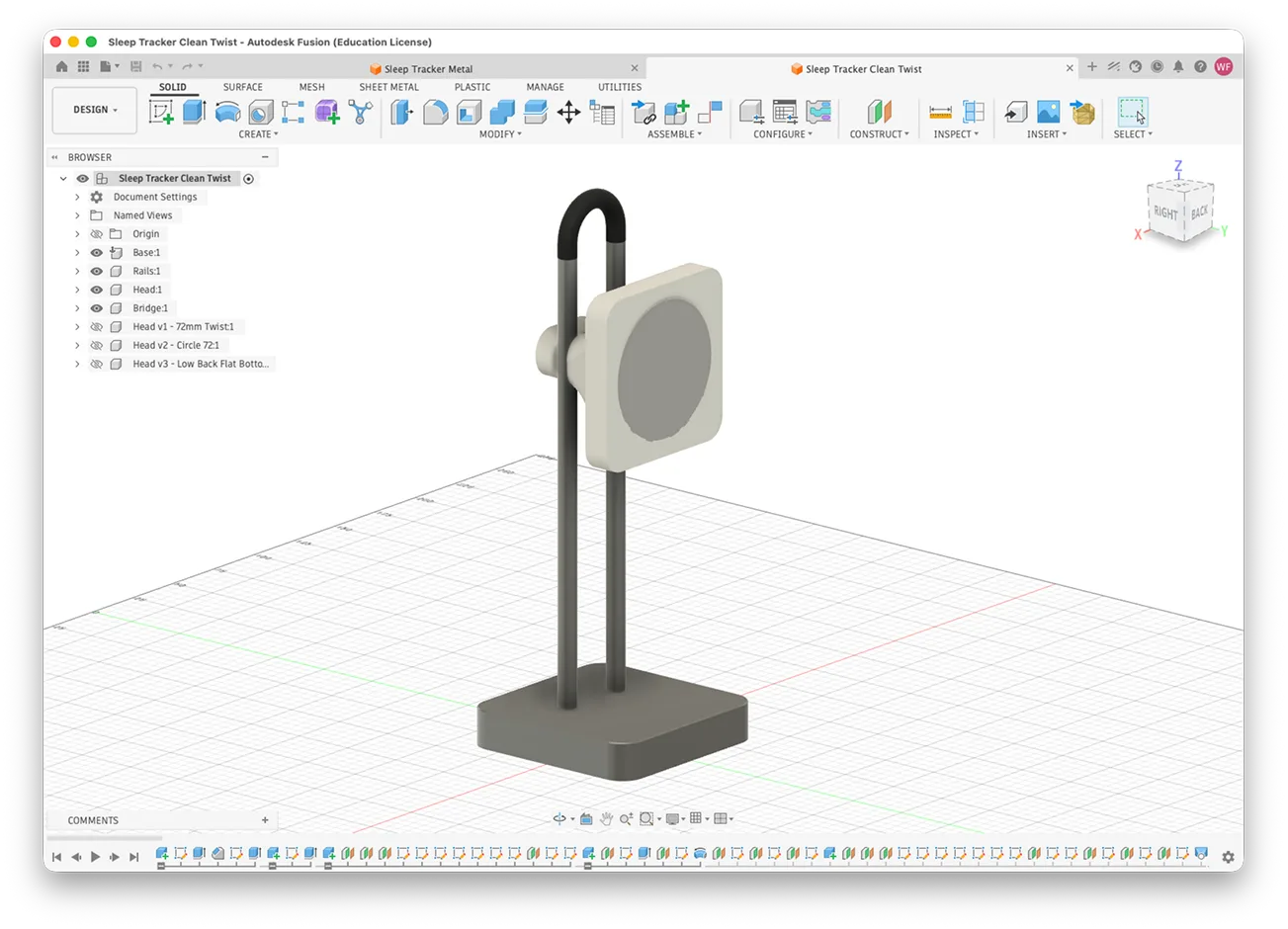
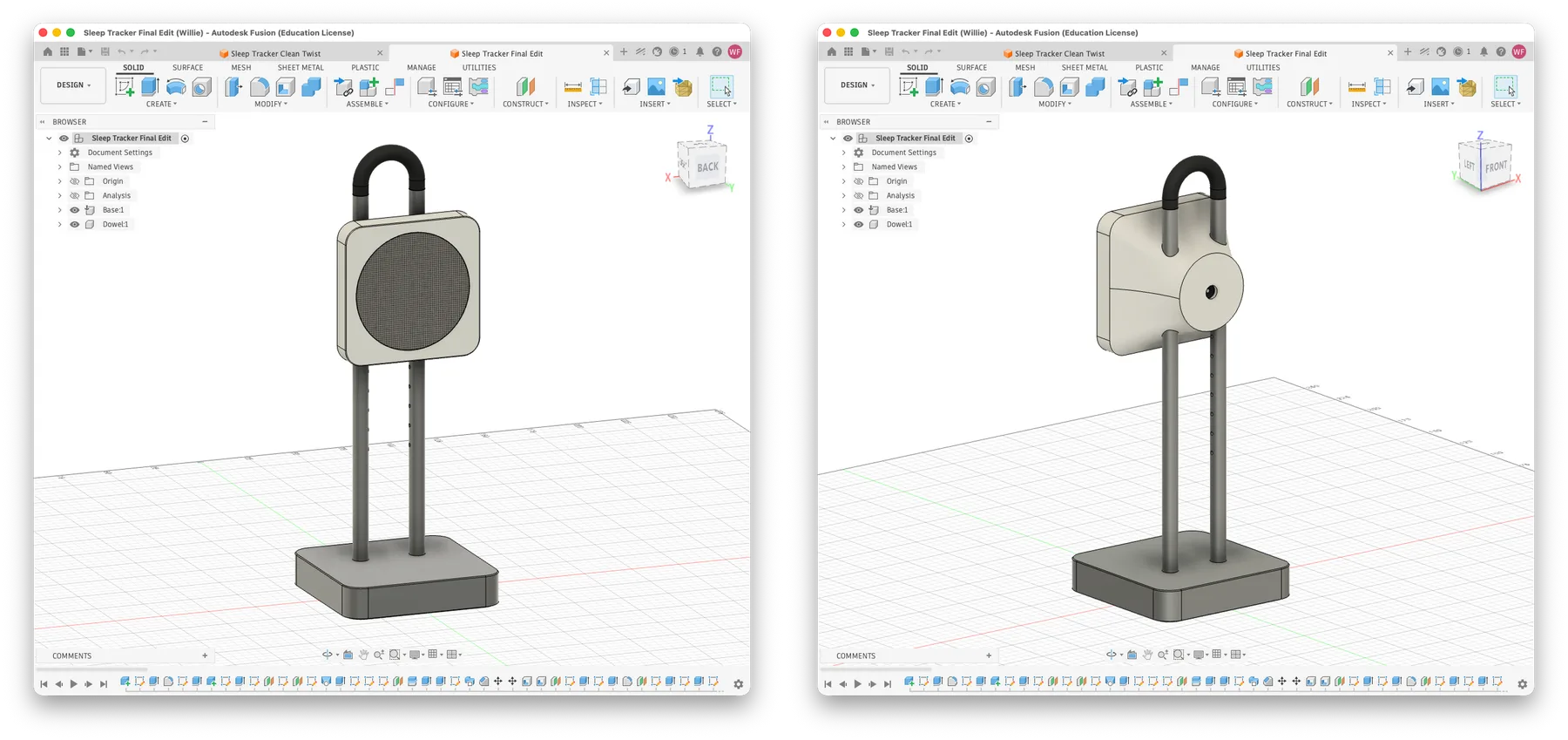
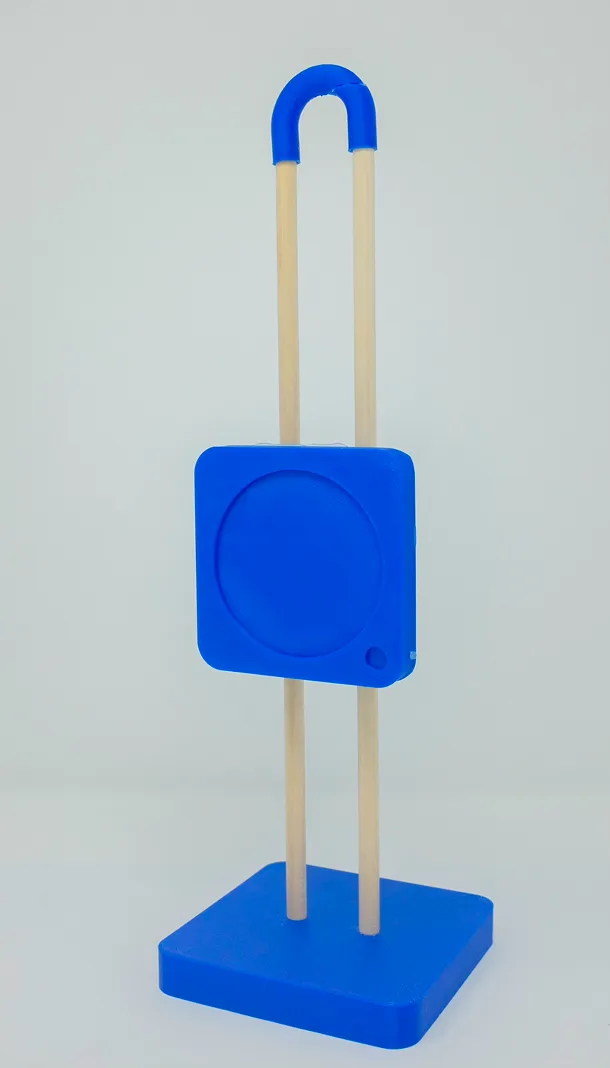
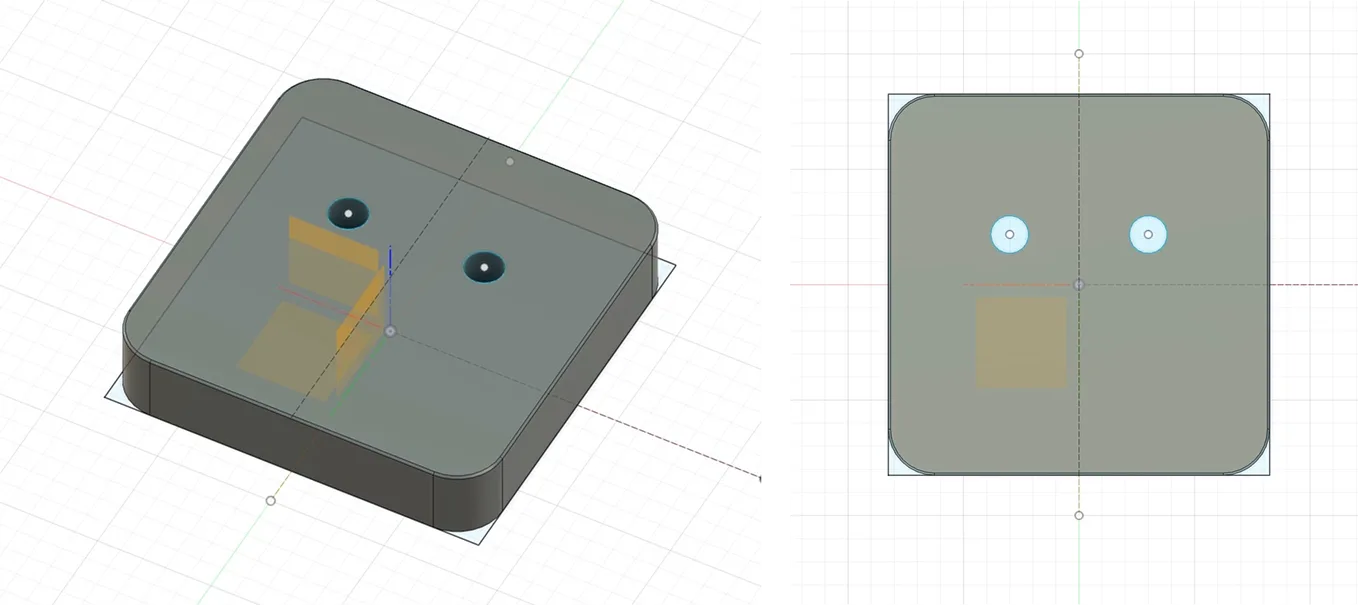
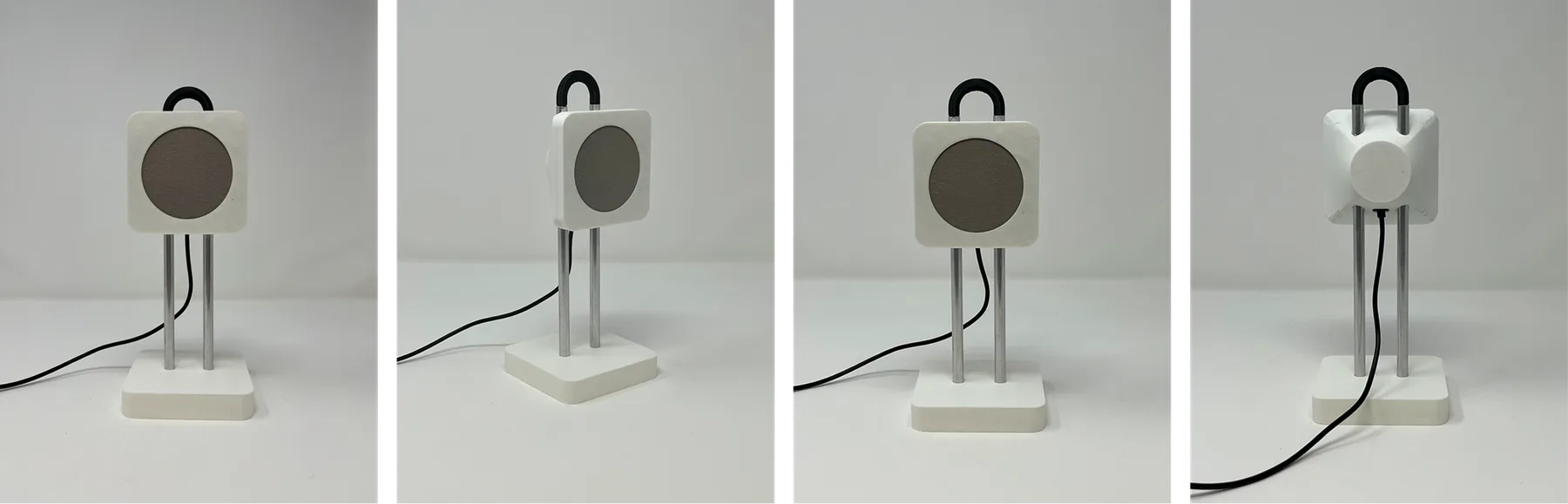
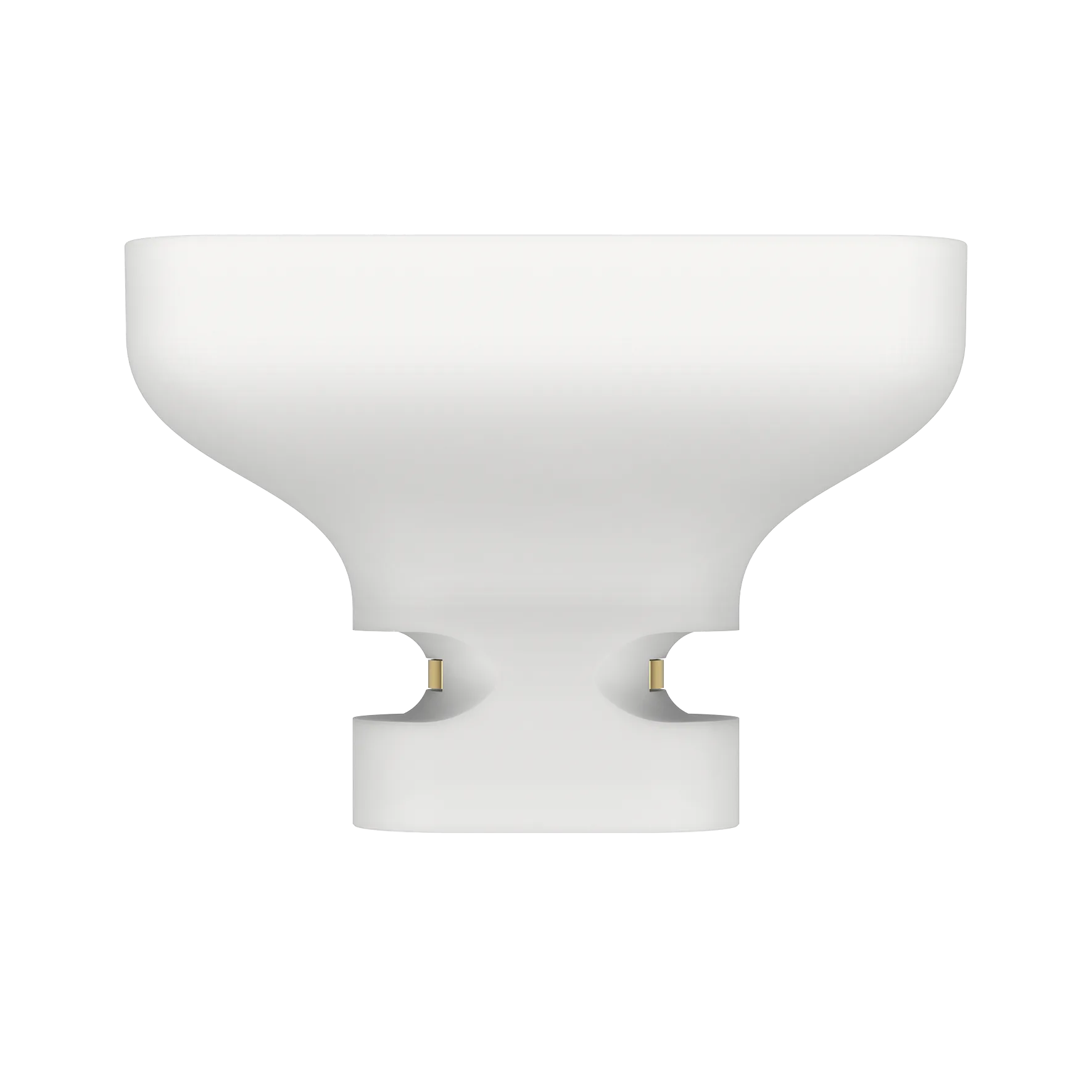
We iterated on this idea to develop a version in which the guide rods double as a power bus, eliminating the cable coming out of the back of the sensor head. Spring contacts inside the rail carrier press against the rails which draws power for the sensor.
To adjust the height of the sensor, the head twists off the stand entirely, which lets it move between interchangeable mounts, such as a nightstand base or a headboard clip, and gives users a verifiable privacy control: when detached, the sensor has no power source and is completely off.
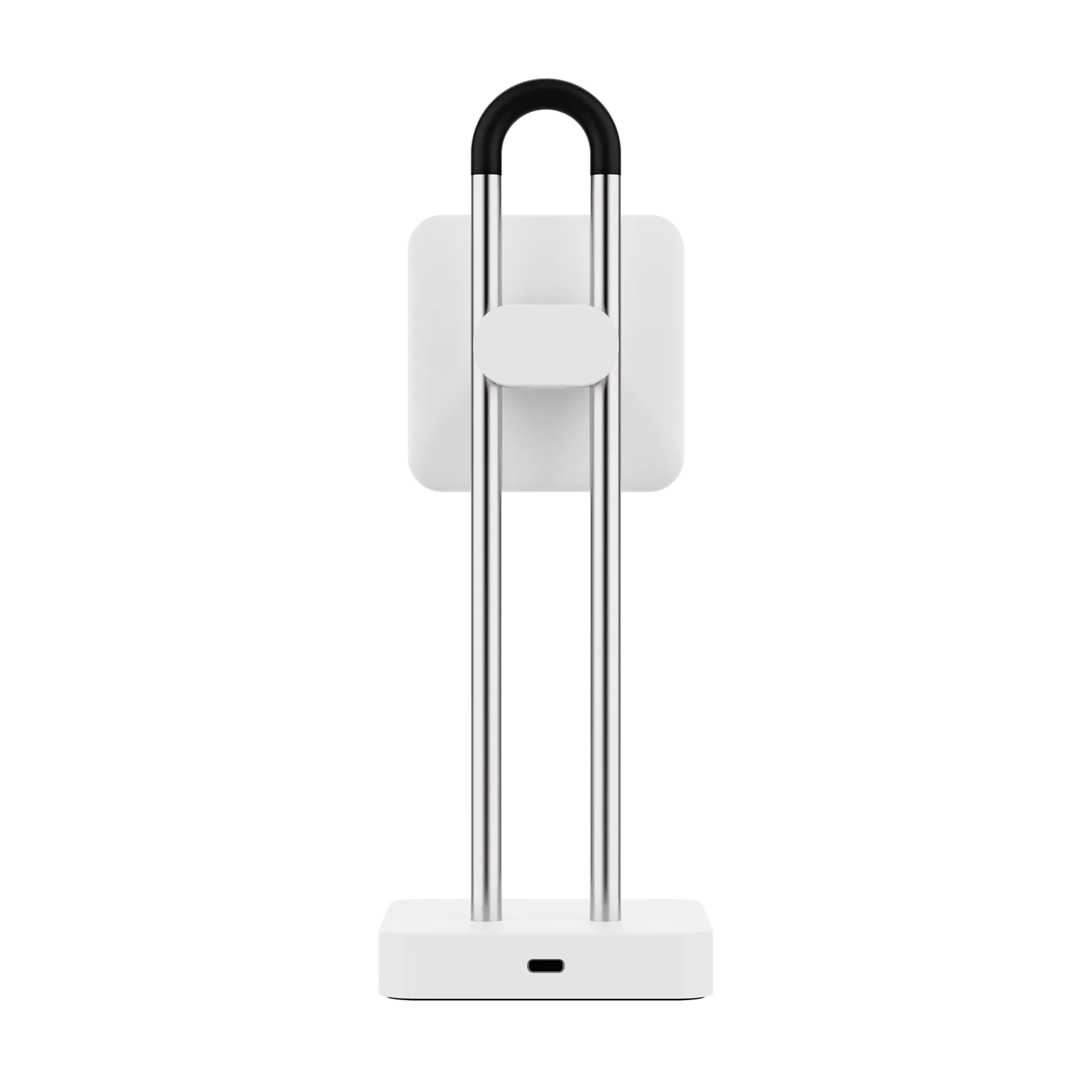
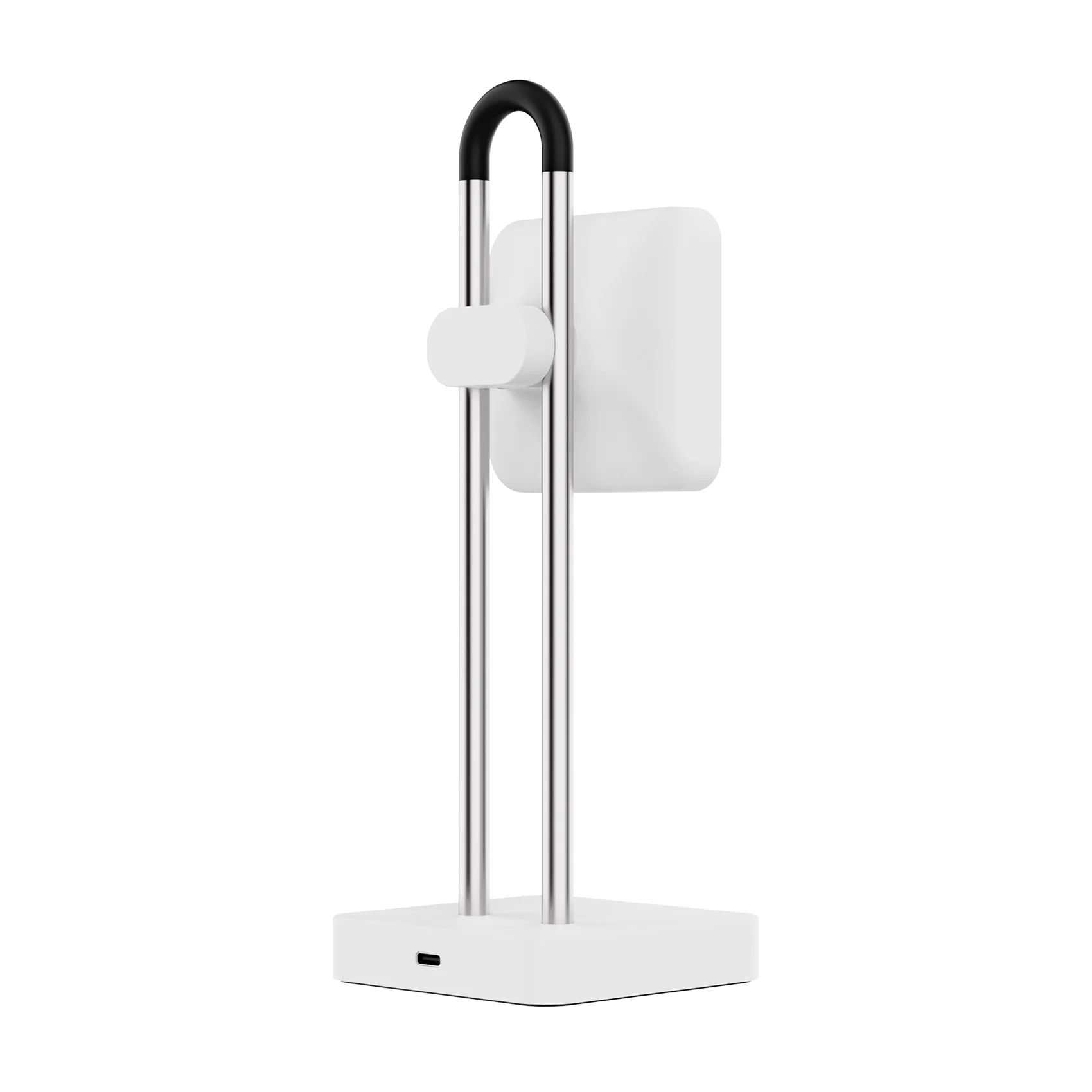
We also considered whether adjustability was necessary. Adjustable height solves for variation in bedside furniture, but it creates a problem in that users have no intuitive way to know exactly how high the sensor should be positioned, and onboarding flows for this proved to be confusing.
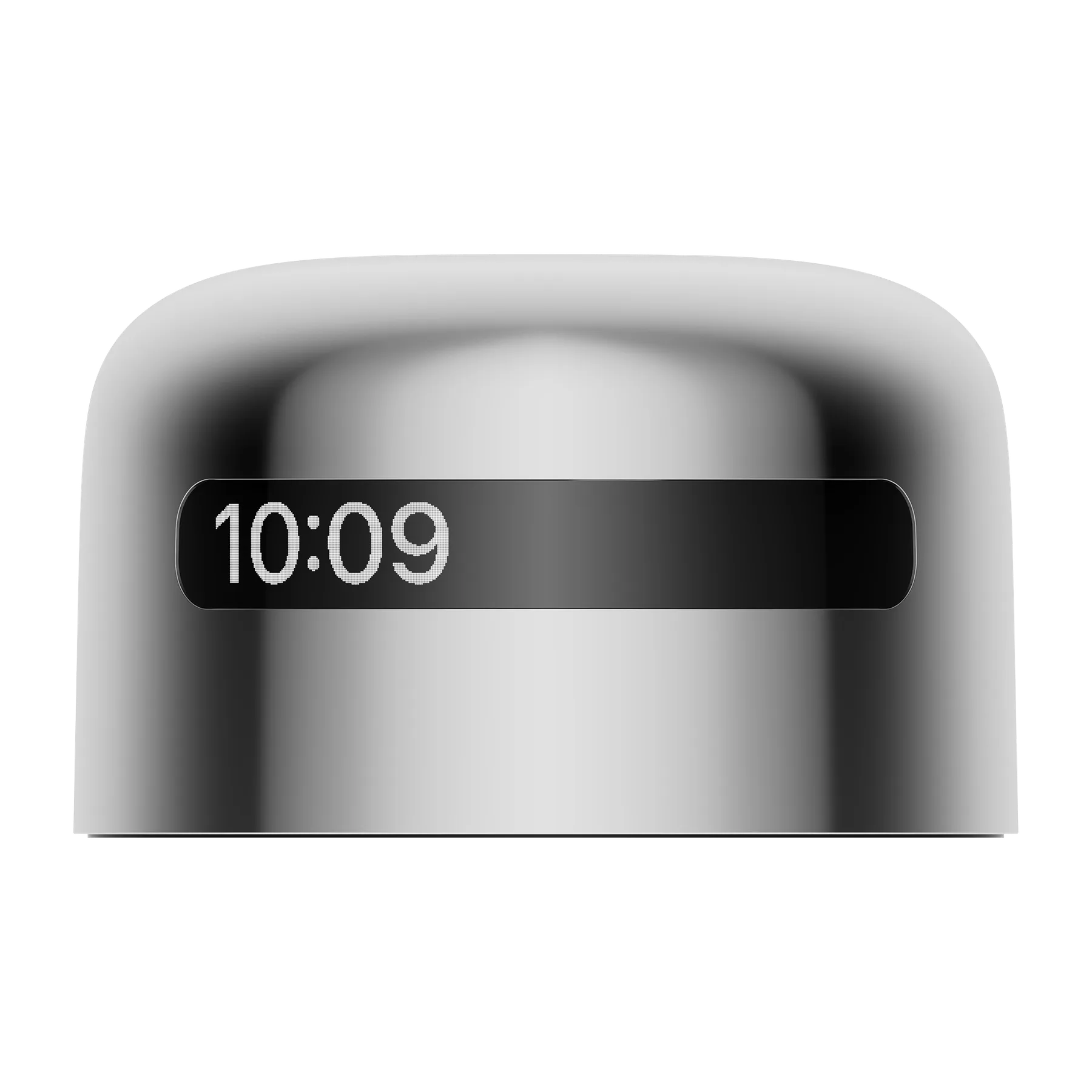
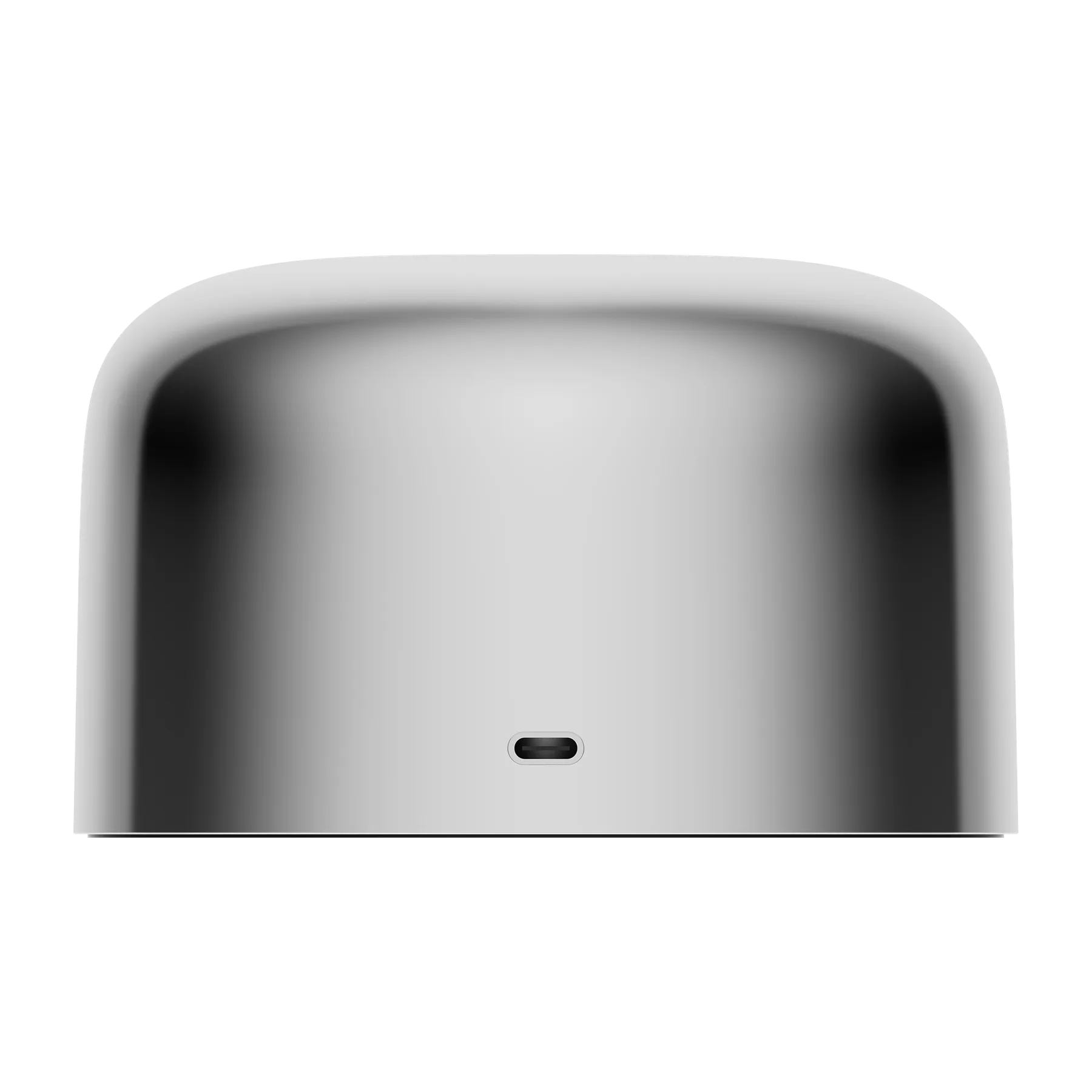
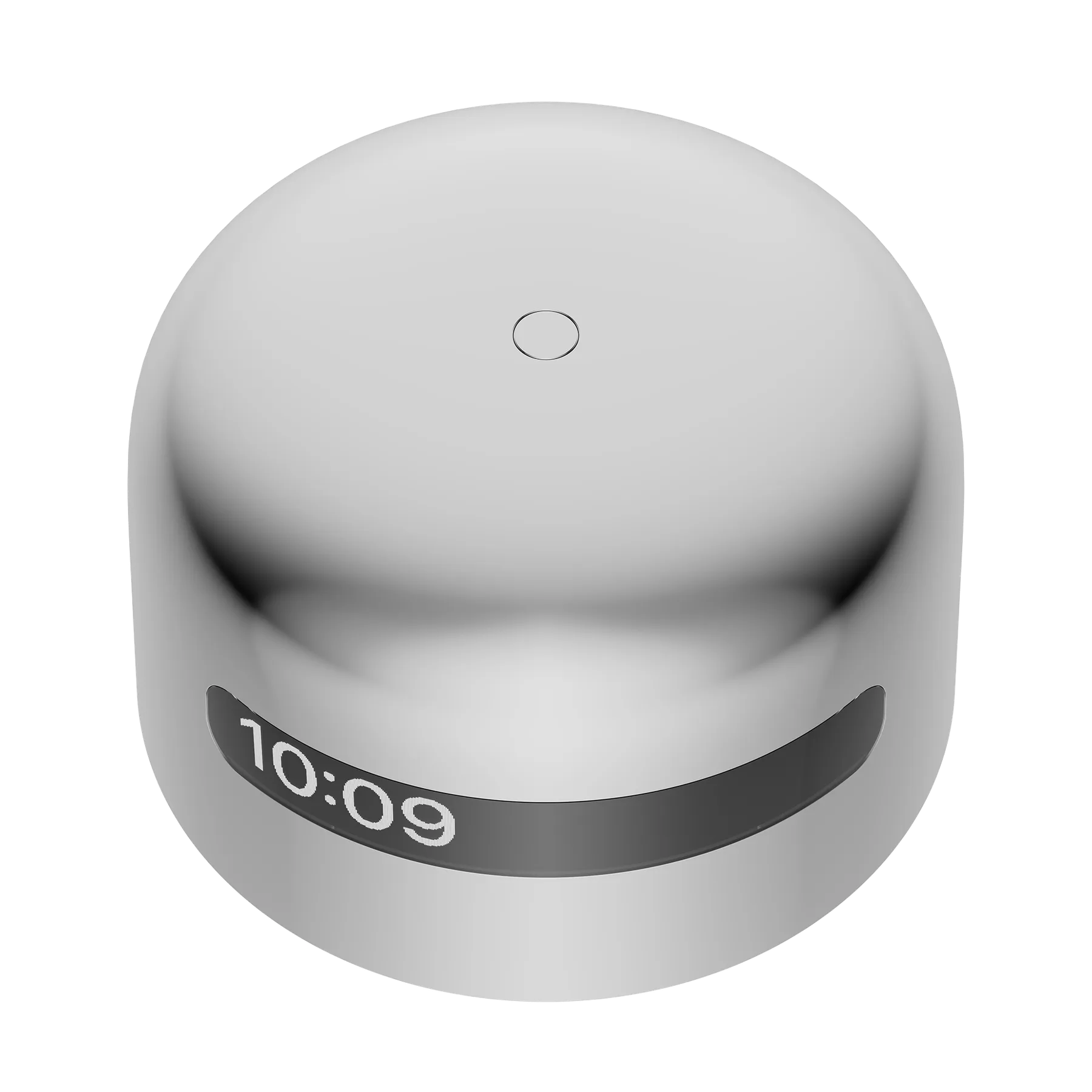
My preferred direction returns to one of our initial concepts: a fixed-height alarm clock with health sensing built in.
Outcome
Our prototype is the first step towards health monitoring that happens by default. By capturing valuable metrics overnight, it builds the longitudinal record needed to understand how your health is changing over time, without asking users to remember anything.
Ultimately, the project became less about creating another health tracker and more about the broader question of how might healthy behaviors happen by default? Our answer was to remove recurring decisions entirely and shift tracking to something people can do passively.
- Skills
- Research
- User interviews
- Product strategy
- Industrial design
- Prototyping
- Interaction design
- Visualization
- Collaborators
- Eva Ahmetaj
- Faculty
- Soojung Ham
- Griffin van Horne
- Monty Sharma