Portable Shelter
A low-cost portable shelter that folds between a backpack, seat, and sleeping enclosure.
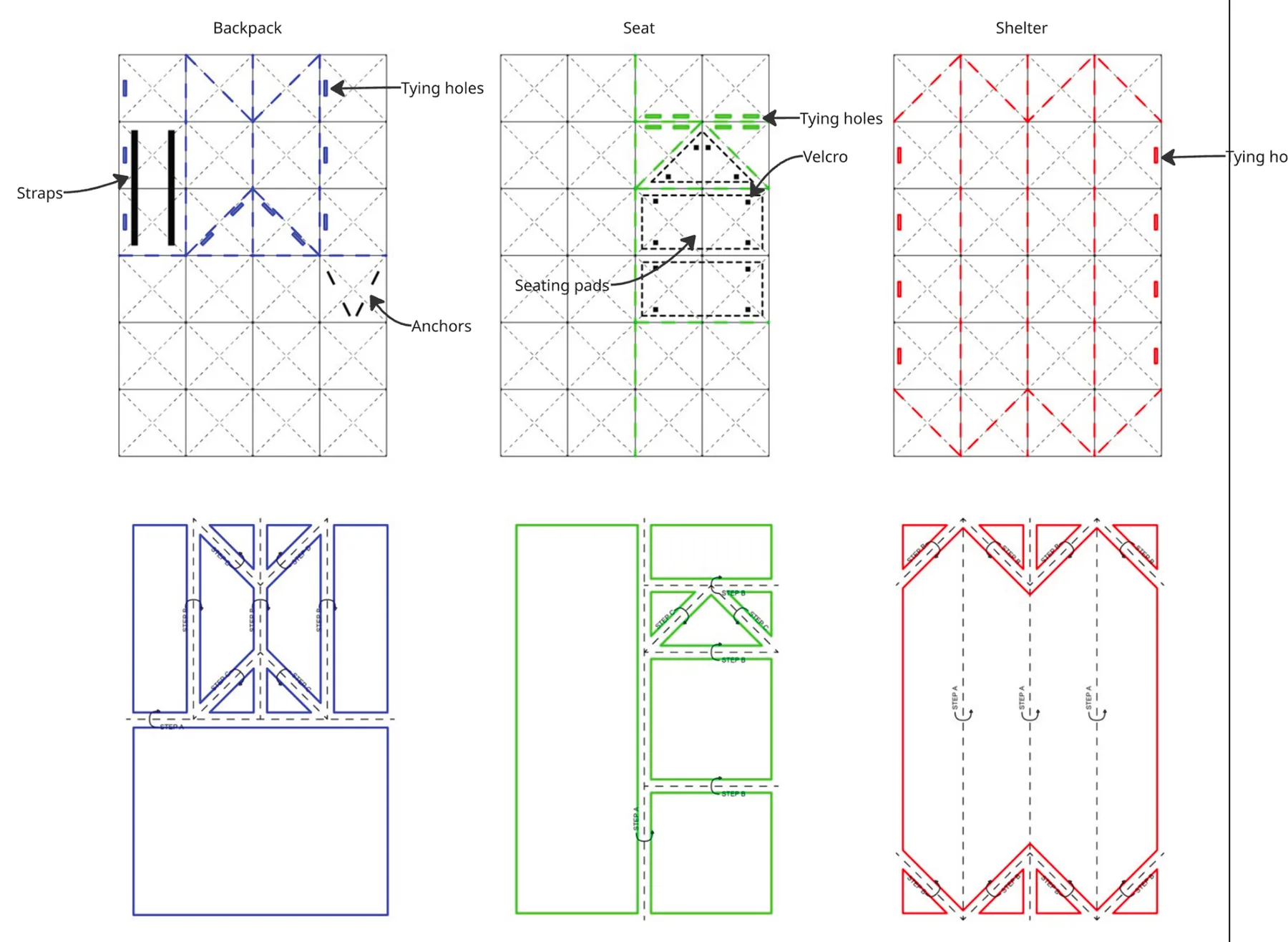
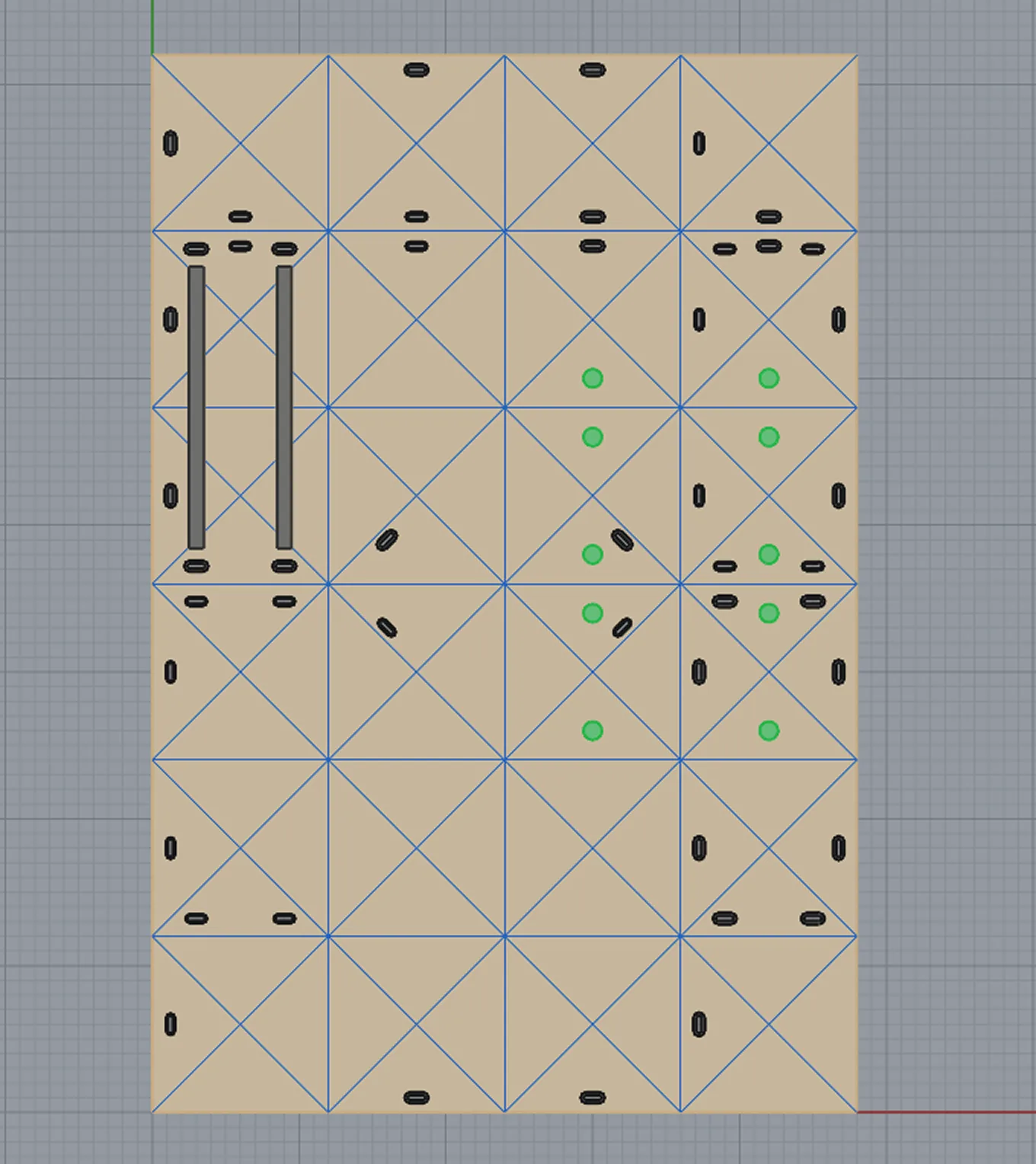
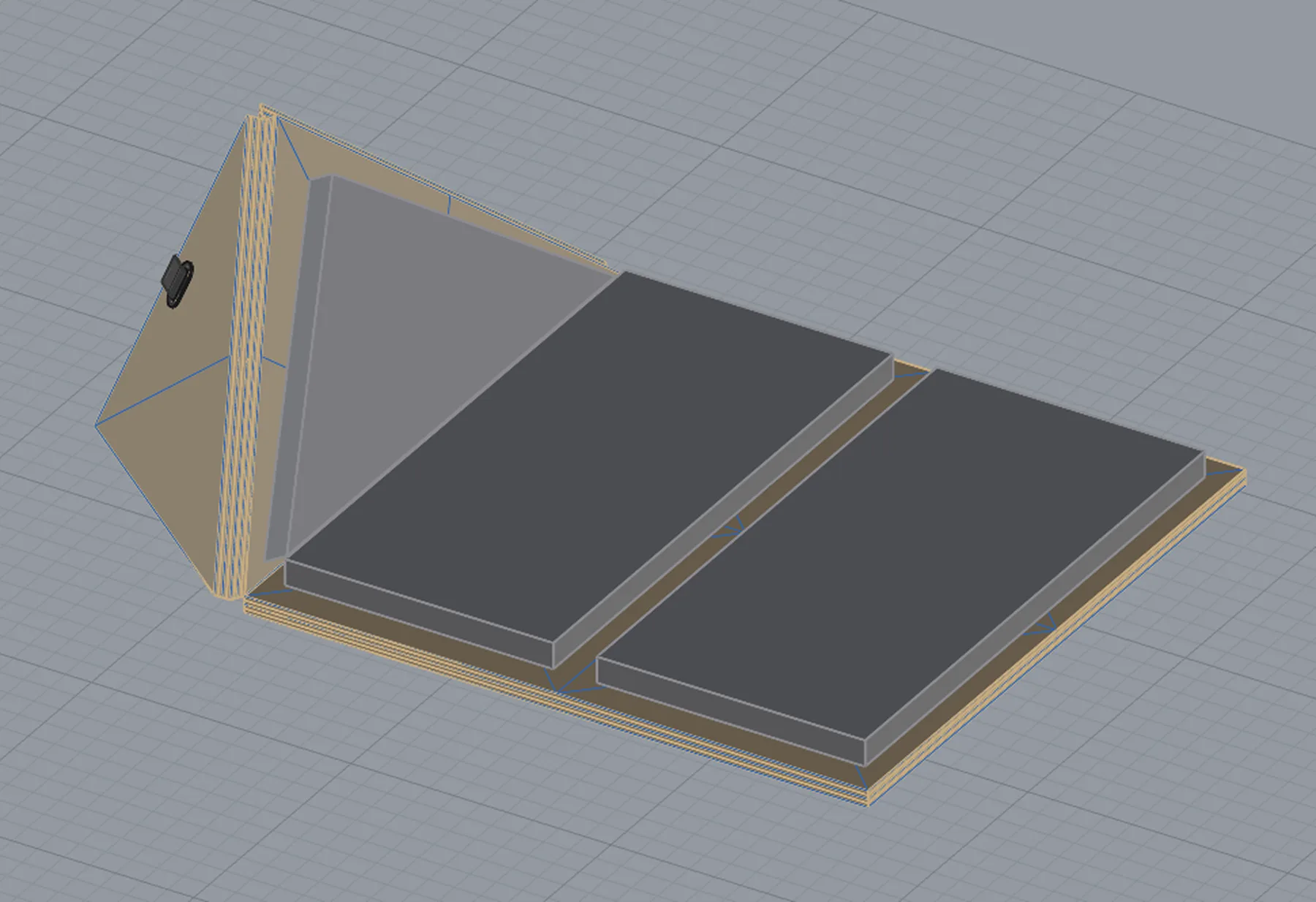
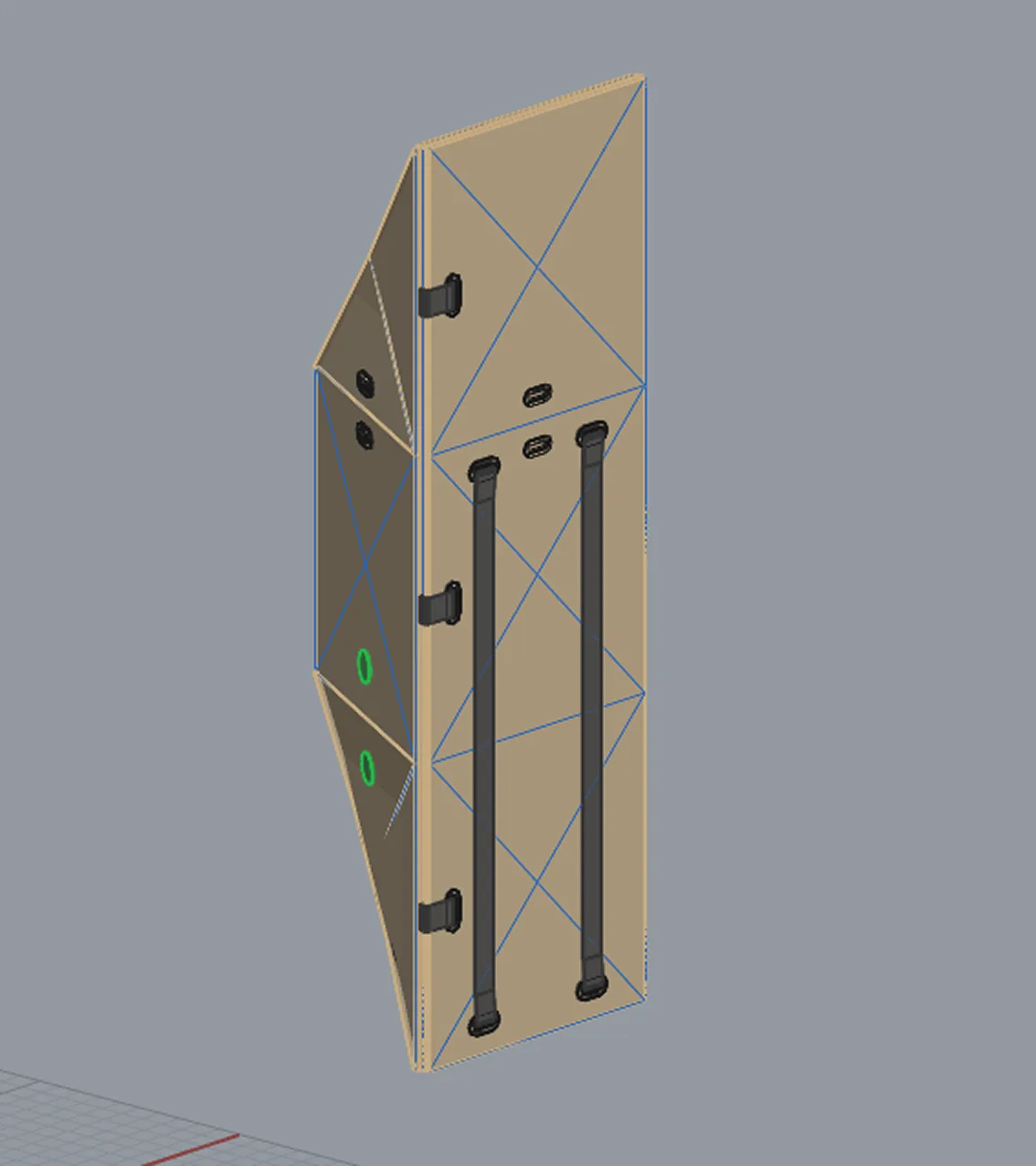
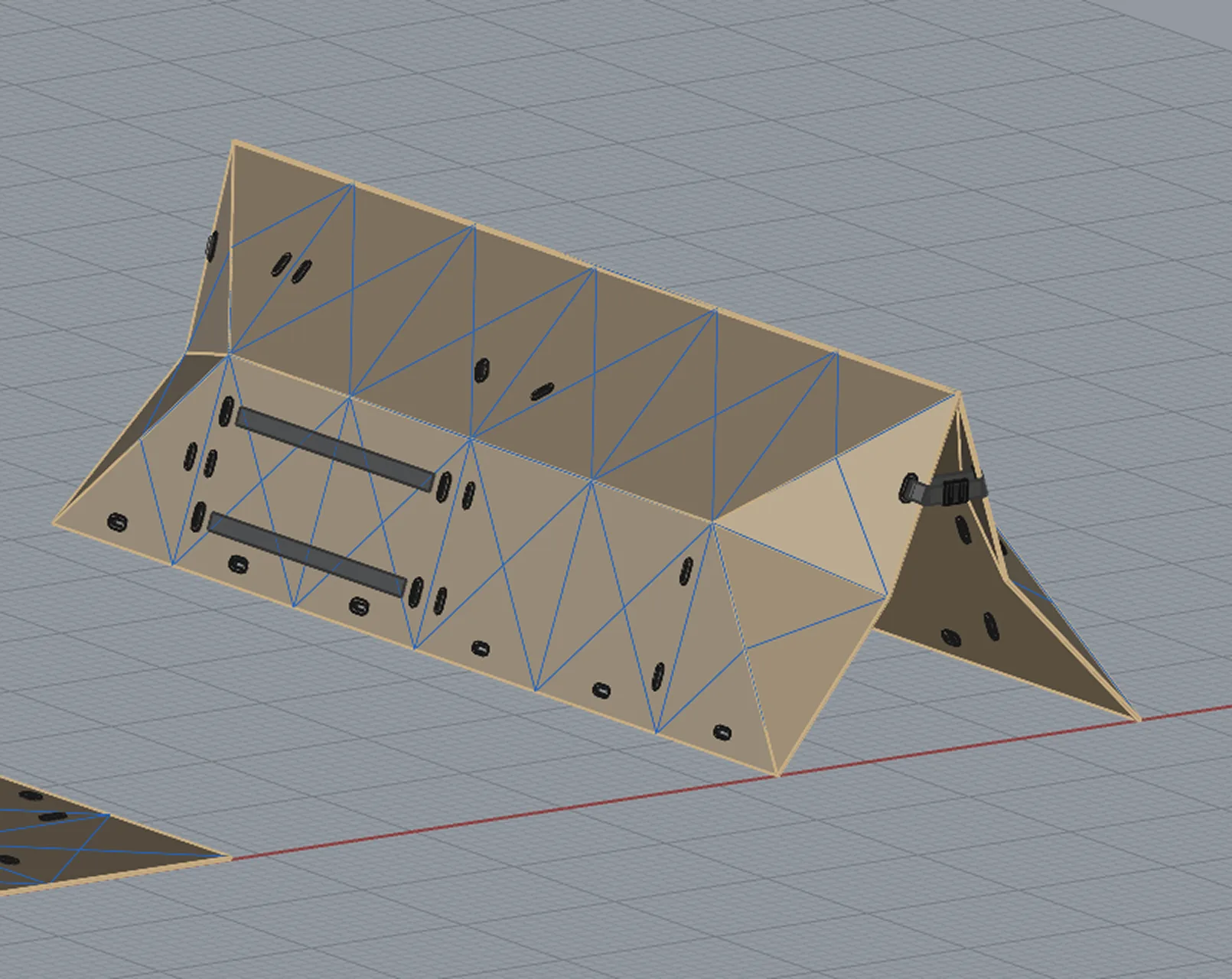
Inspired by origami folding techniques, the shelter transforms to support different needs throughout the day while remaining lightweight and portable. It is constructed from a single sheet of corrugated plastic, nylon webbing, and reinforced grommets, creating a durable structure that can be manufactured inexpensively.
Selected through a juried RISD competition for Origami Unfolded at the Peabody Essex Museum, December 5, 2026–September 17, 2028.
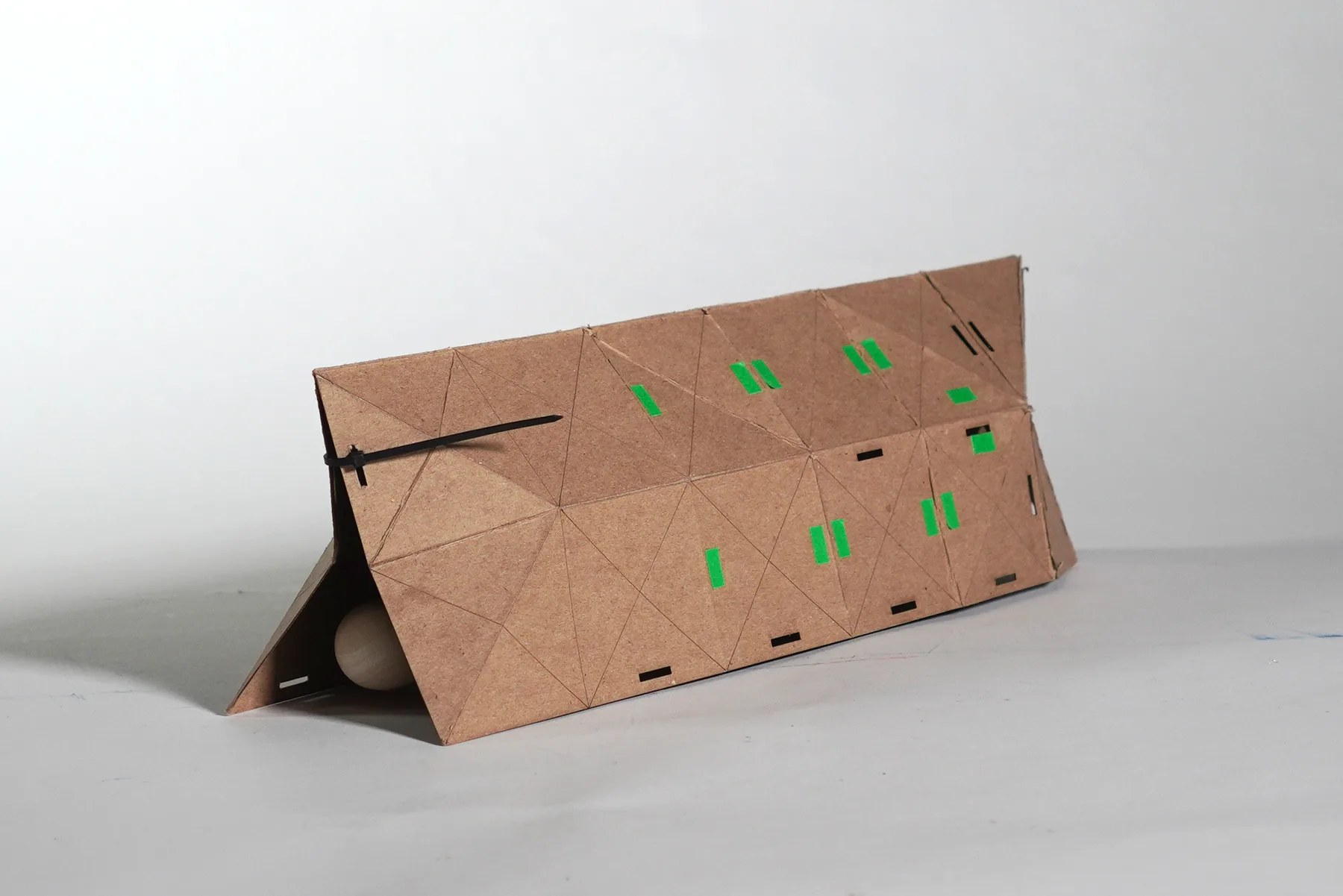
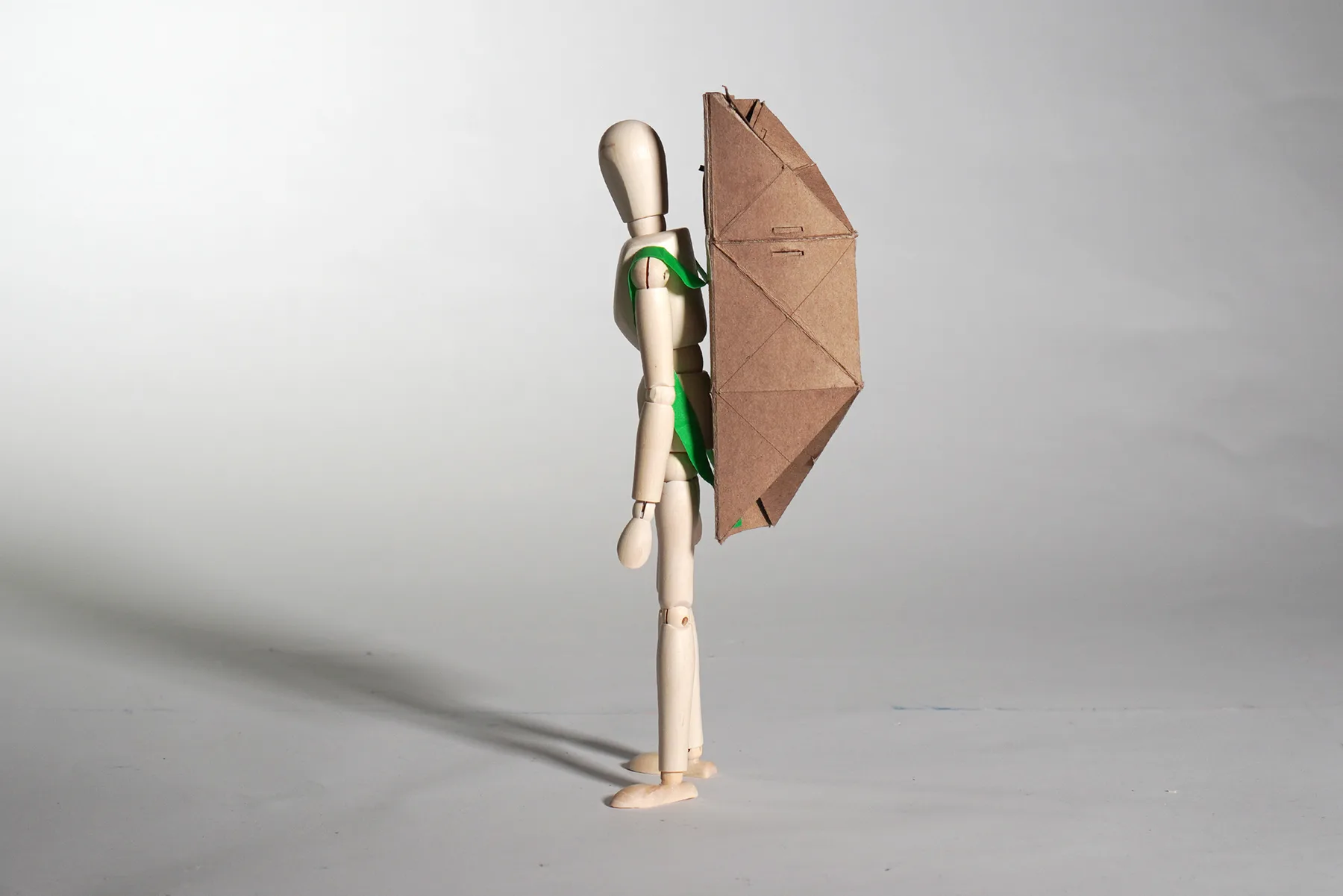
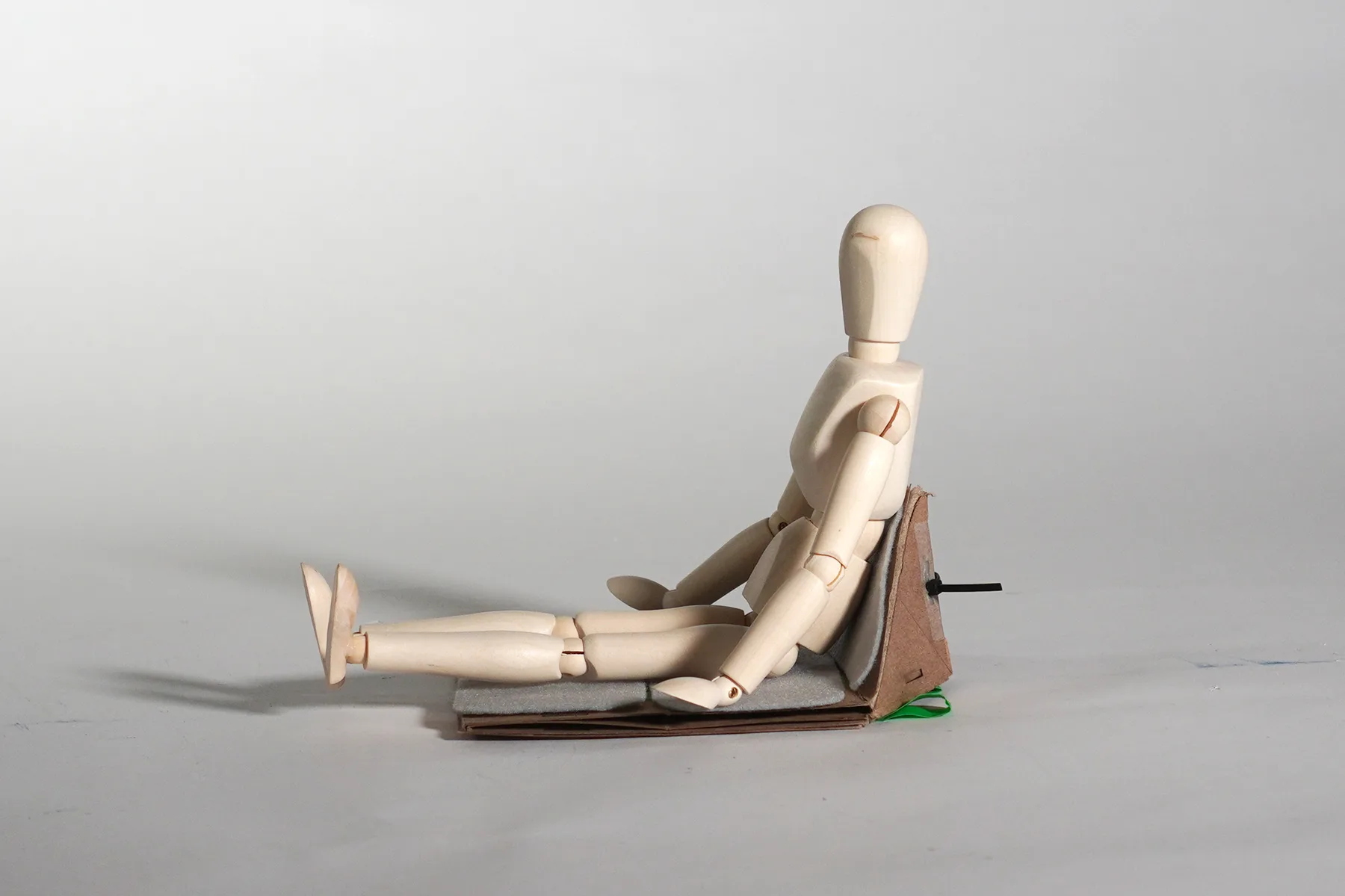
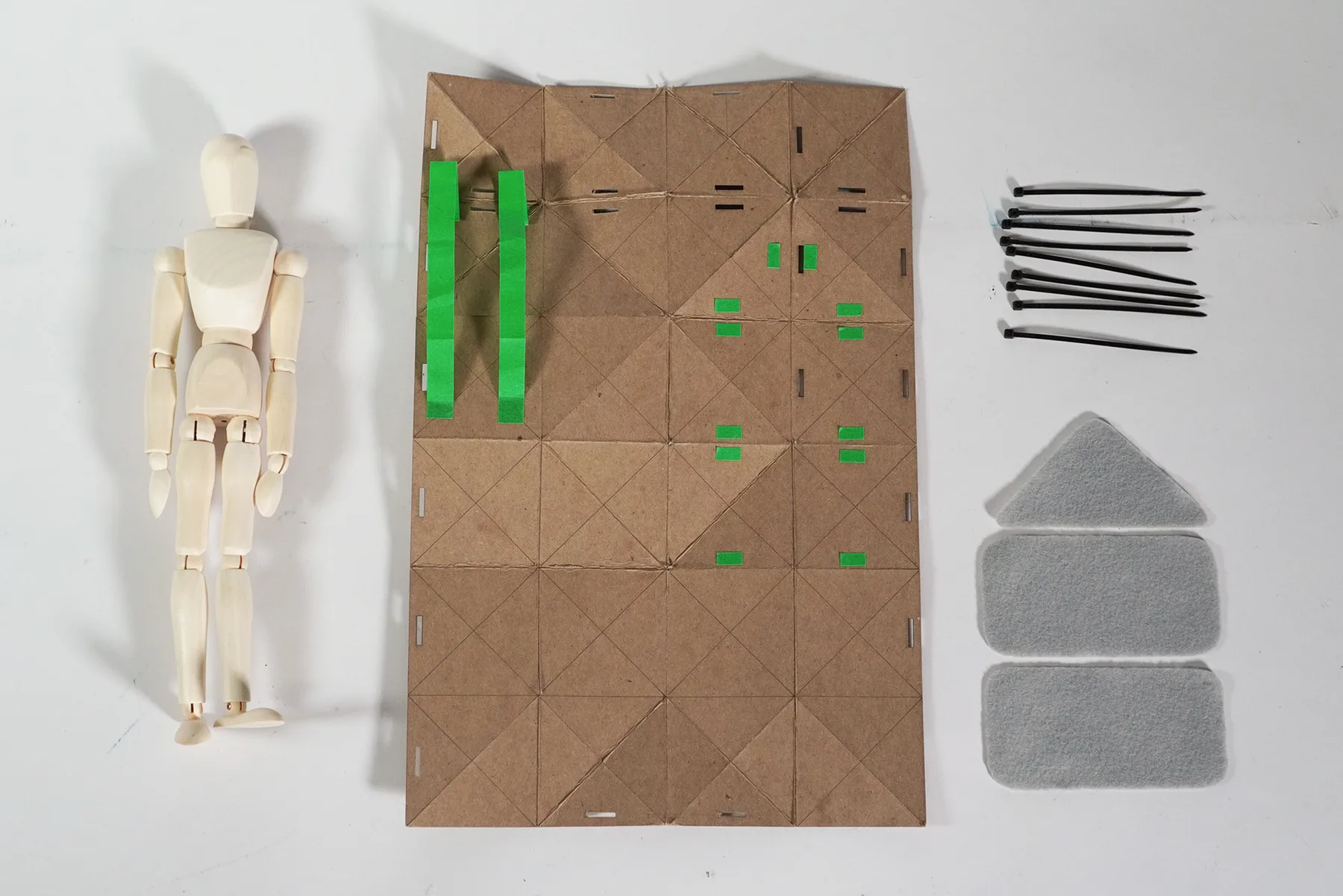
The shelter’s three configurations allow it to provide temporary protection from rain and wind, a contained place to keep belongings close, and a clean, dry surface to sit on during the day.
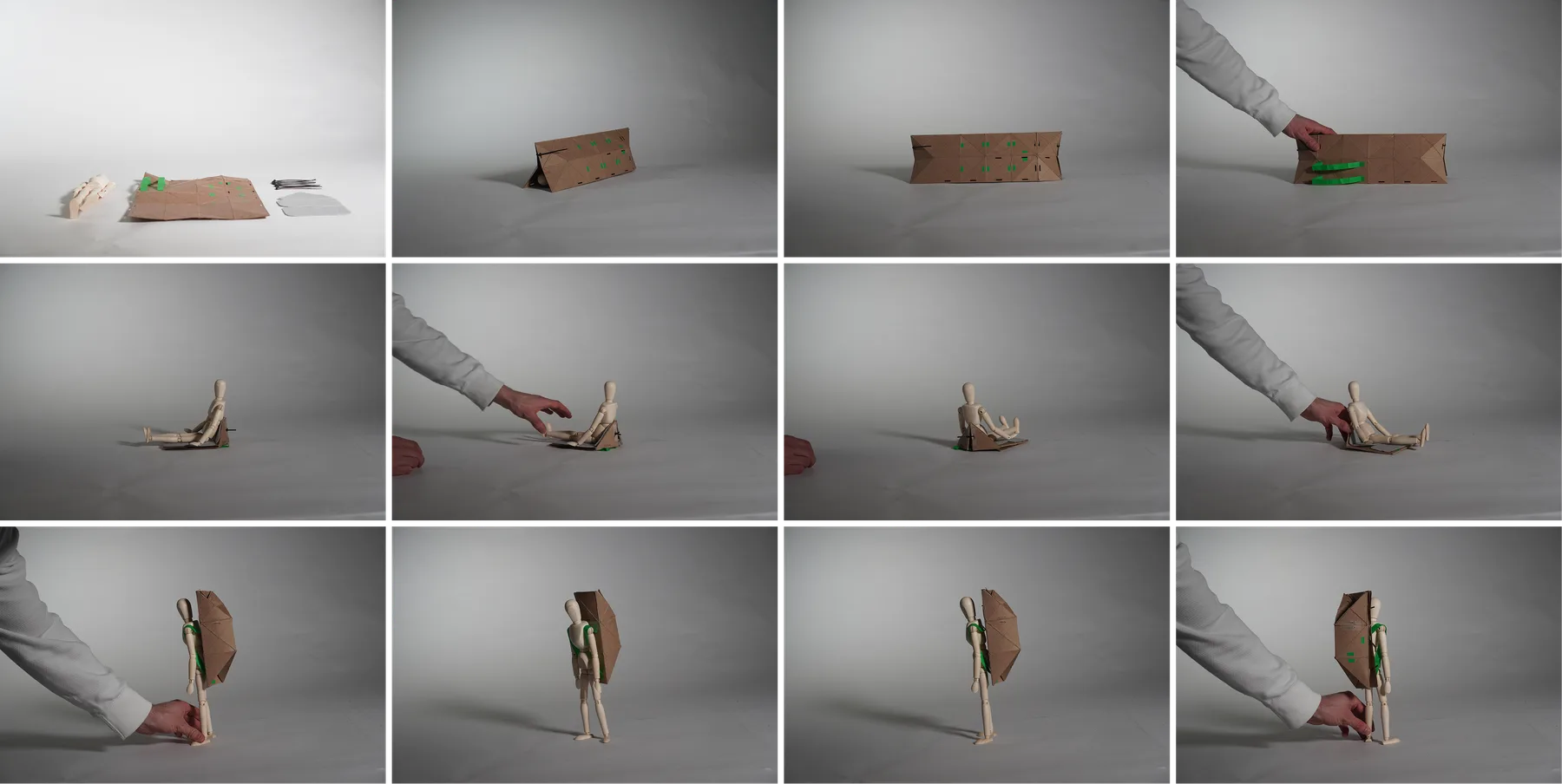
The design uses inexpensive, commercially available materials and becomes significantly cheaper at production volume. Based on supplier pricing and estimated fabrication and assembly costs, we estimate a unit cost of approximately $22 at 1,000 units and $12 at 10,000 units.
Rhode Island's January 2026 Point-in-Time count identified 2,236 people experiencing homelessness, including 416 people who were unsheltered. At the estimated 1,000-unit production cost, providing one shelter to every person counted as unsheltered would cost approximately $9,300.
Because the shelter is made primarily from a flat sheet and webbing, it can also be transported flat and requires no tools to set up.
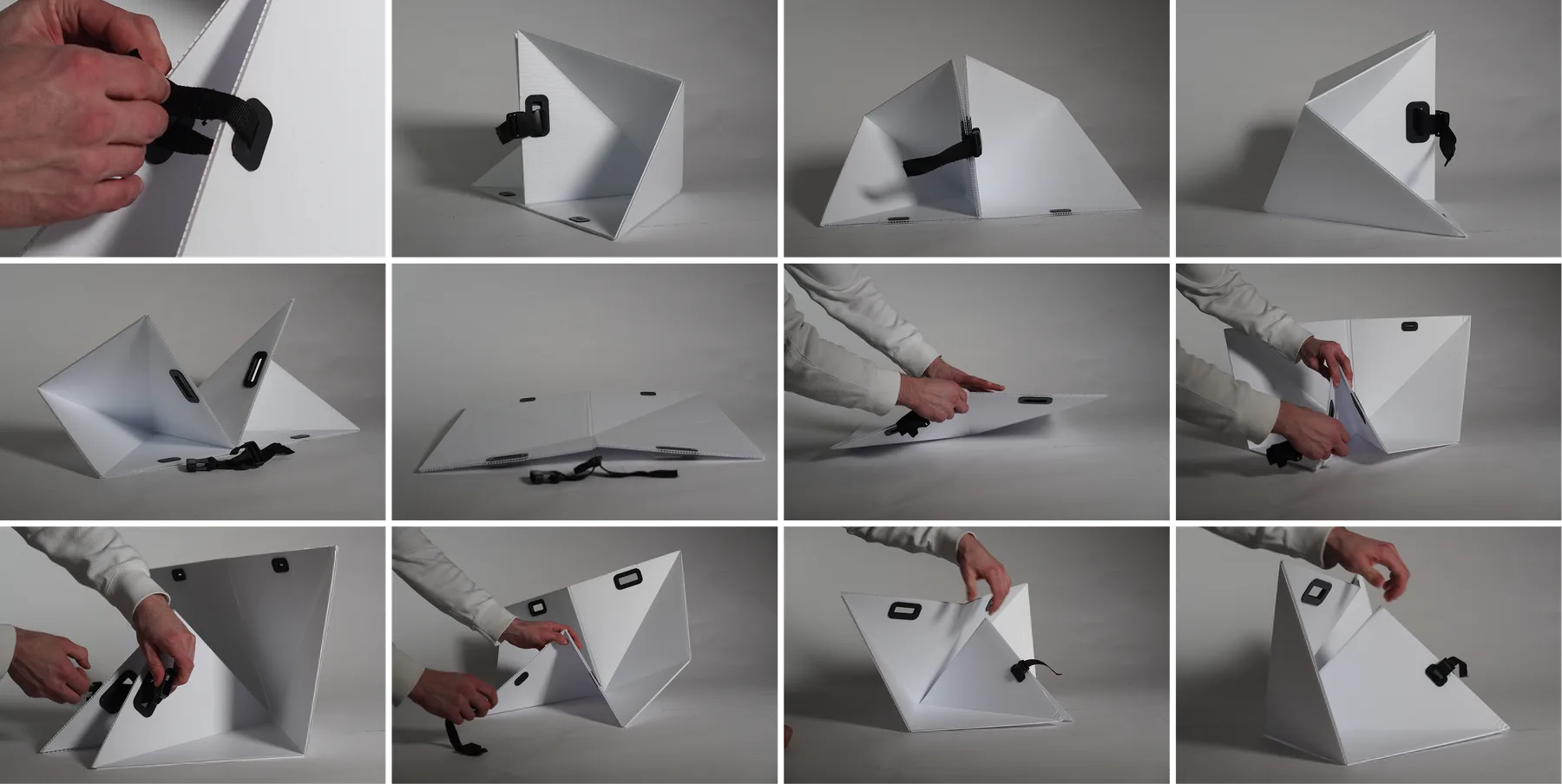
Material study
Reinforced pass-through assembly: large, small
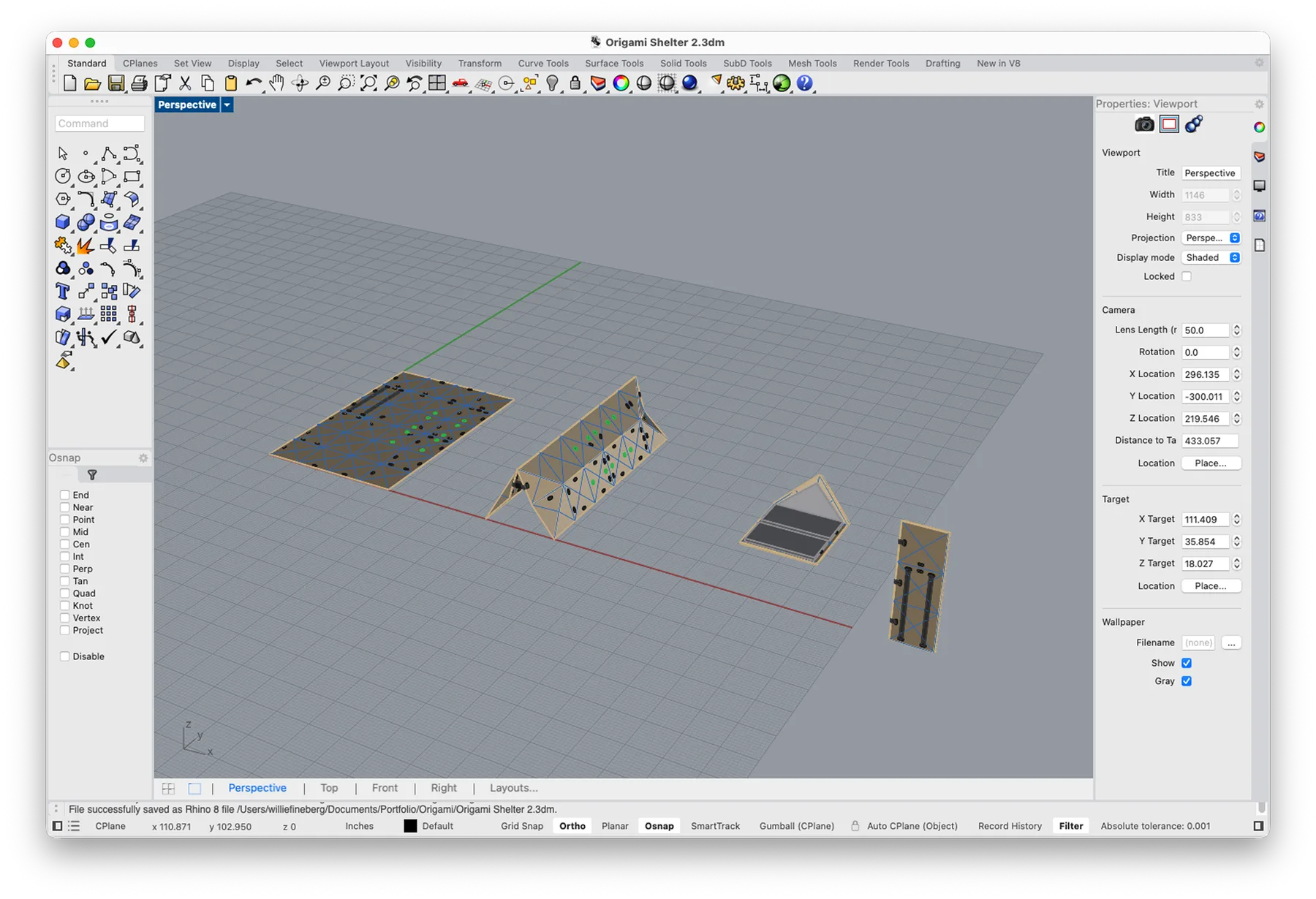
Outcome
The project was selected through a juried RISD × Peabody Essex Museum competition led by origami artist Michael LaFosse. A scale model will be exhibited in Origami Unfolded at the Peabody Essex Museum from December 2026 through Summer 2028.
- Skills
- Concept development
- Design
- Human-factors research
- Material research
- Prototyping
- Collaborator
- Yang Tian
- Instructor / Juror
- Michael LaFosse