Heatra
Discreet, wearable heat therapy for menstrual pain relief.
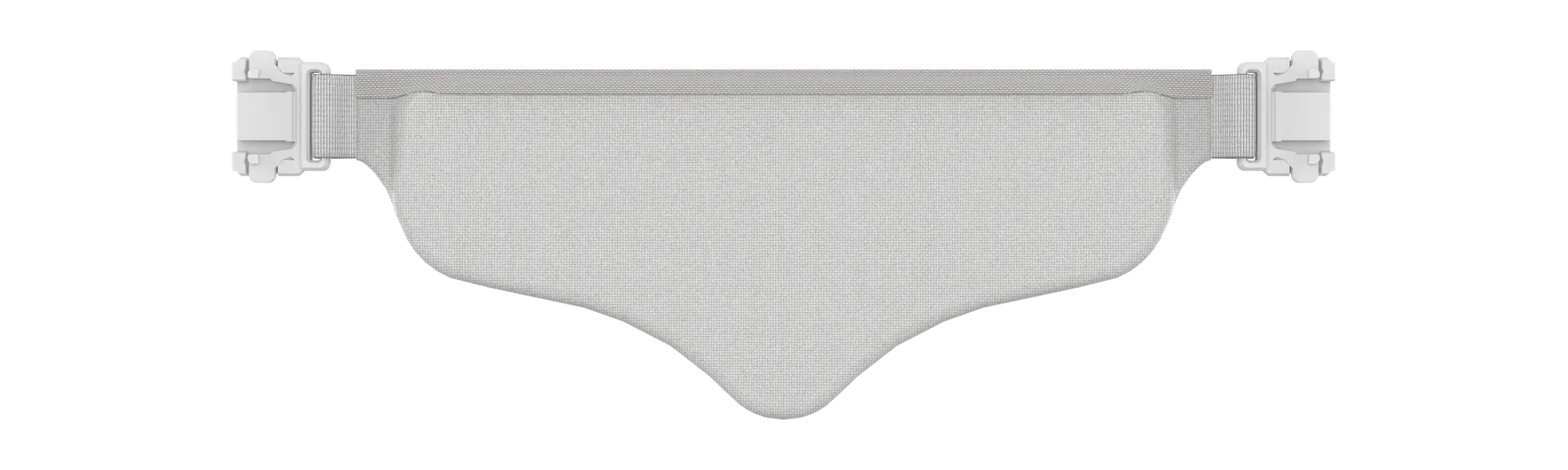
Heatra is a wearable heating pad designed to provide effective menstrual cramp relief throughout the day. The system combines a thin graphene heating element, distributed battery system, and low-profile adjustable belt to deliver sustained heat while remaining discreet enough to wear beneath clothing at work, school, or on the go.
Context
Heat therapy is an effective and widely used method for relieving menstrual cramps. But most solutions are not effective in public settings, such as work or school. Plug-in heating pads are conspicuous, disposable patches don’t get hot enough, and rechargeable products on the market are too bulky to be worn under clothing.
Through user interviews and research, we identified a specific unmet need: effective heat therapy delivered in a form factor that can be worn comfortably and discreetly throughout a normal day.
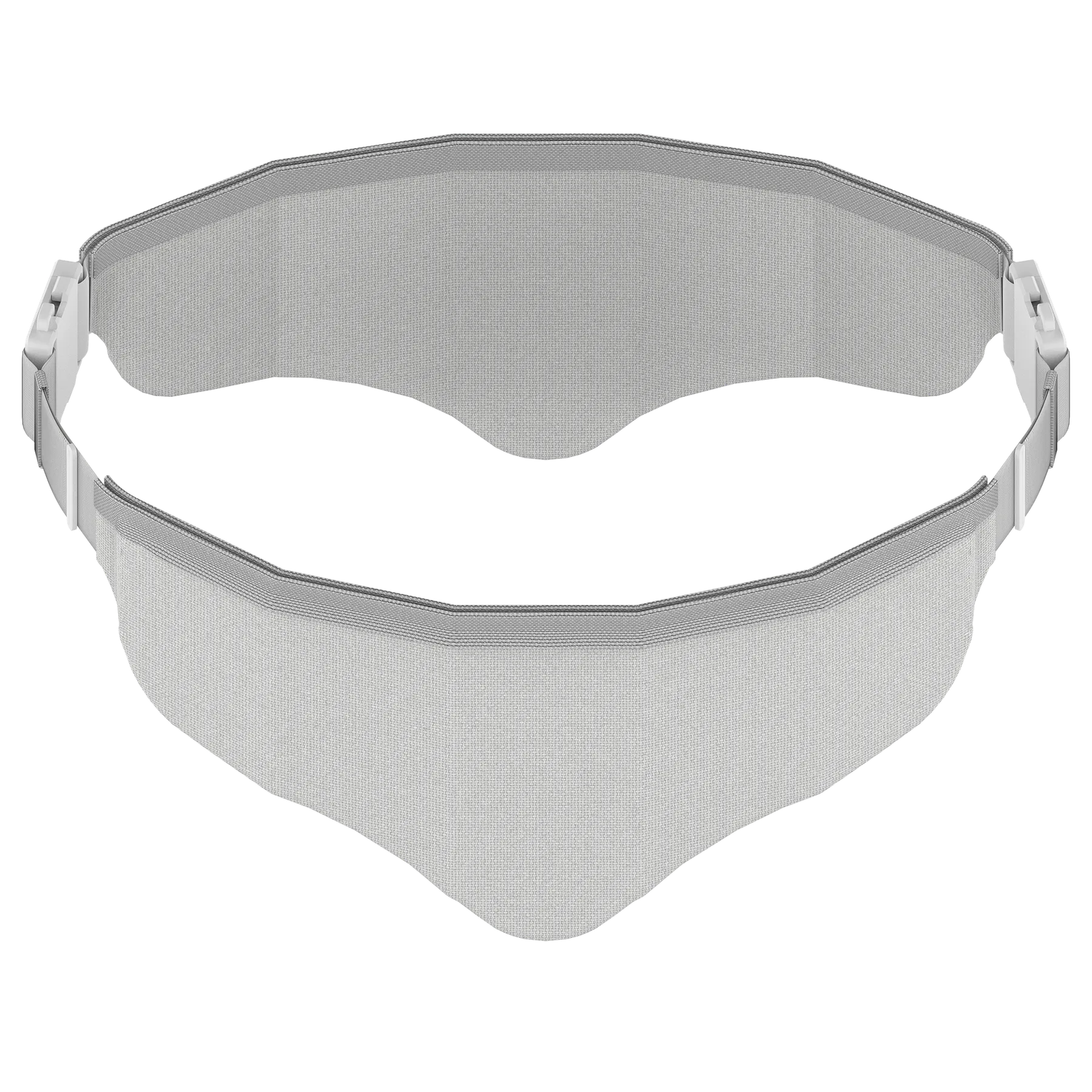
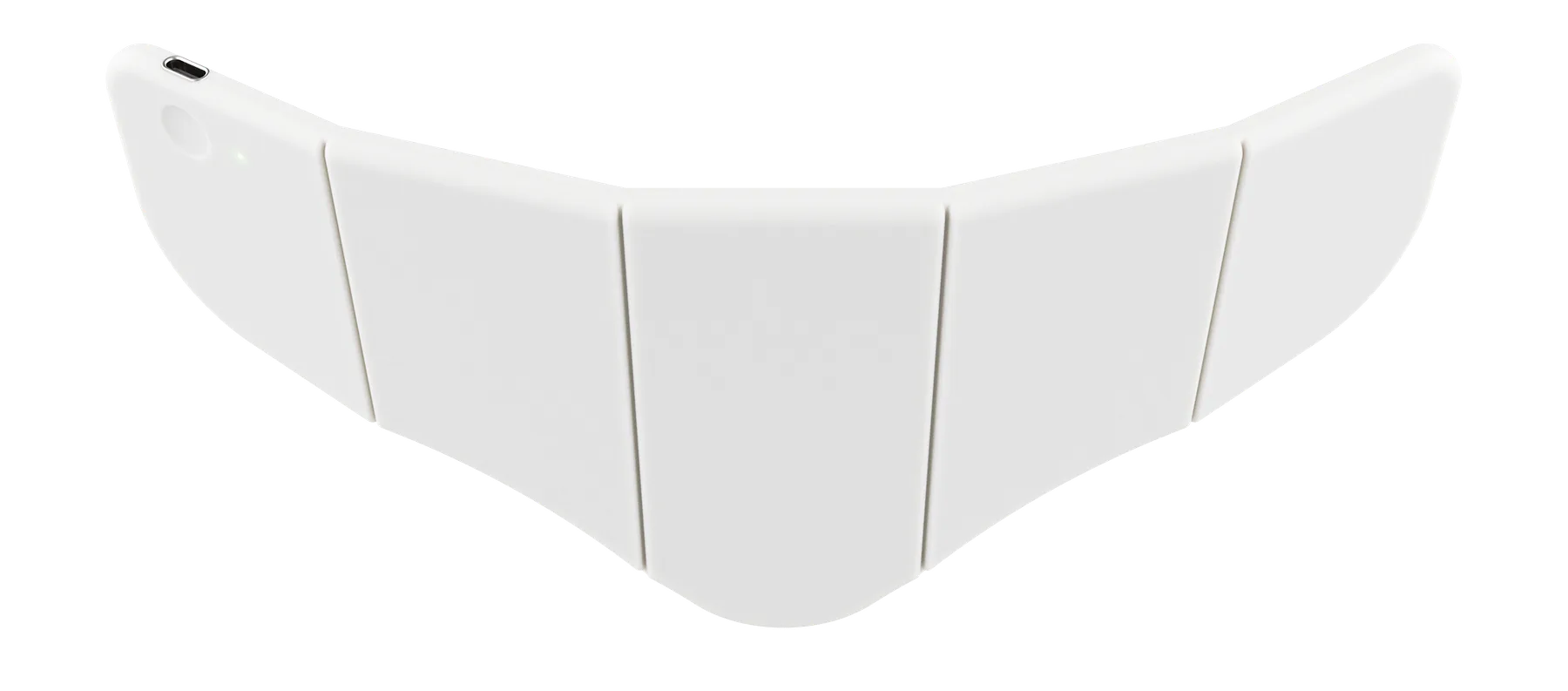
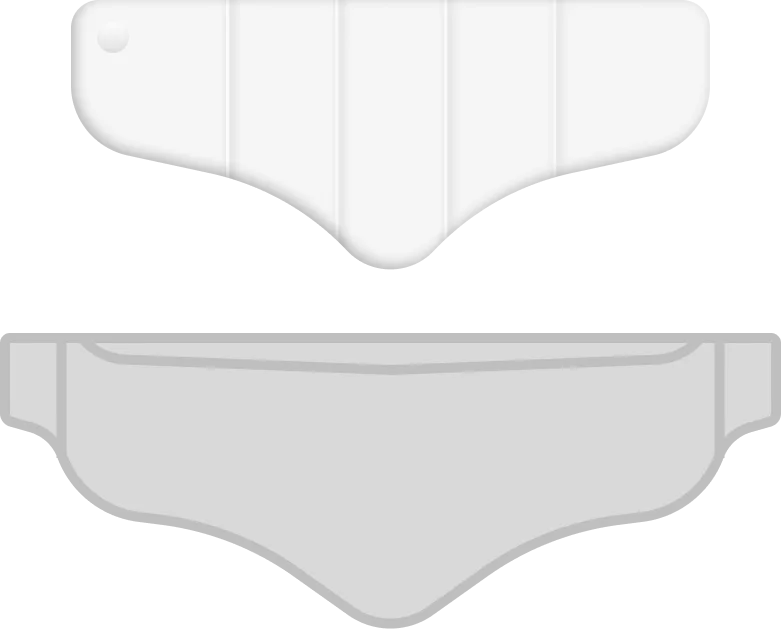
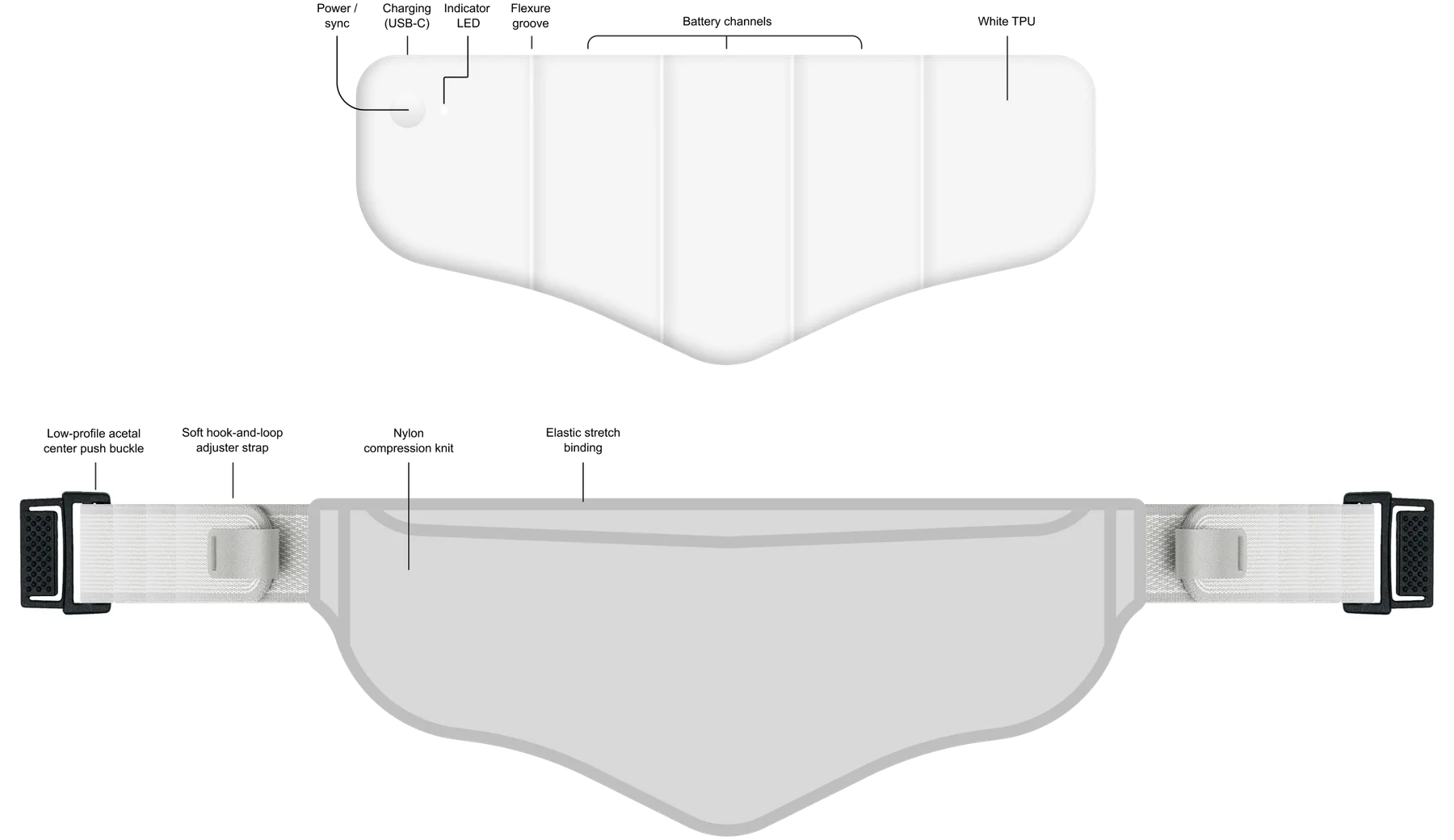
Heatra is designed as two separate components: a washable belt and a removable heating pack.
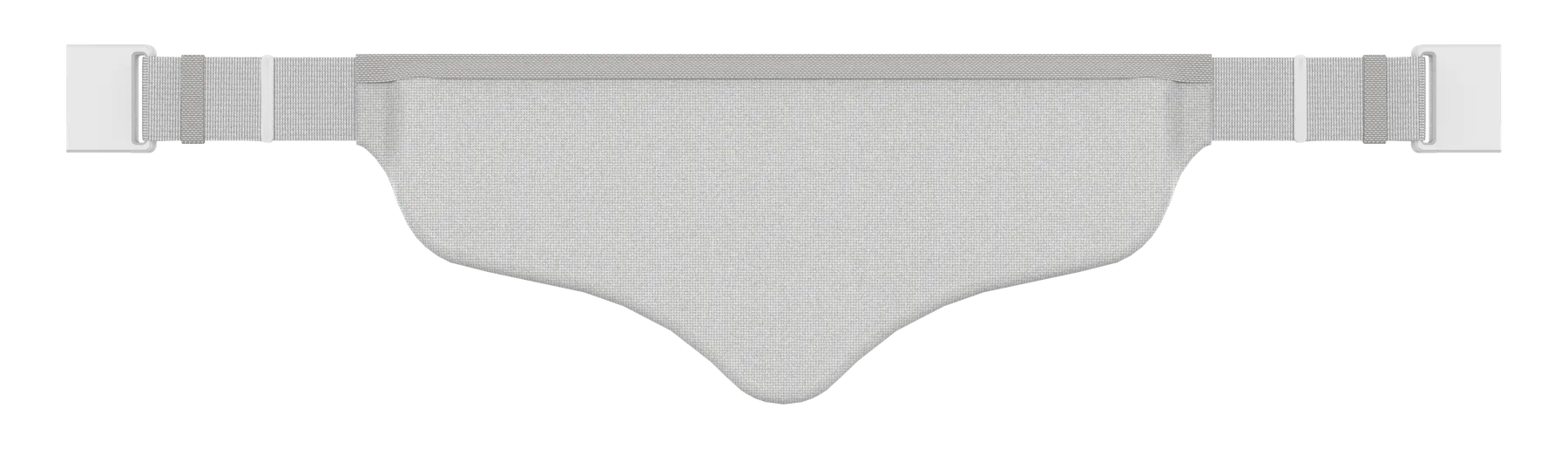
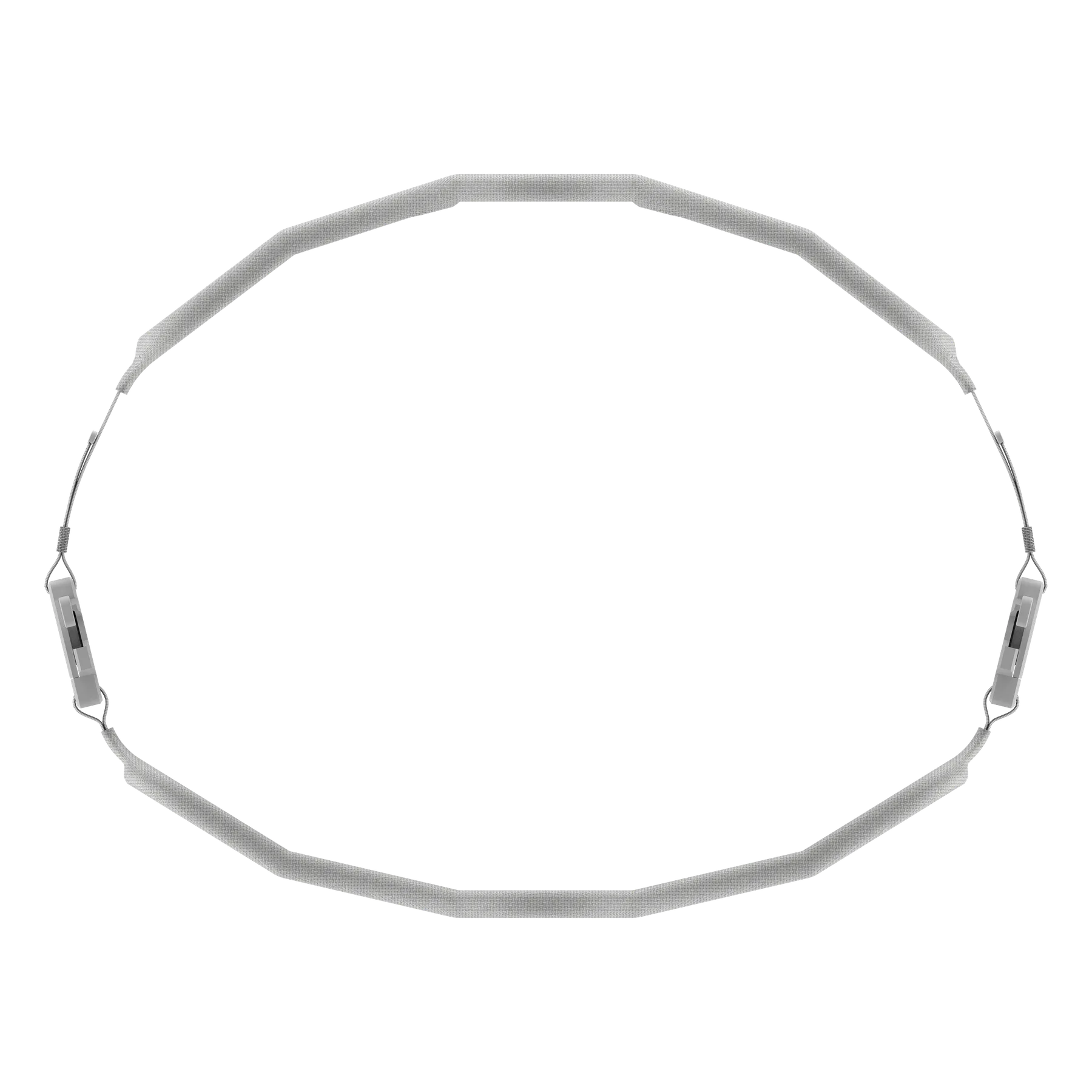
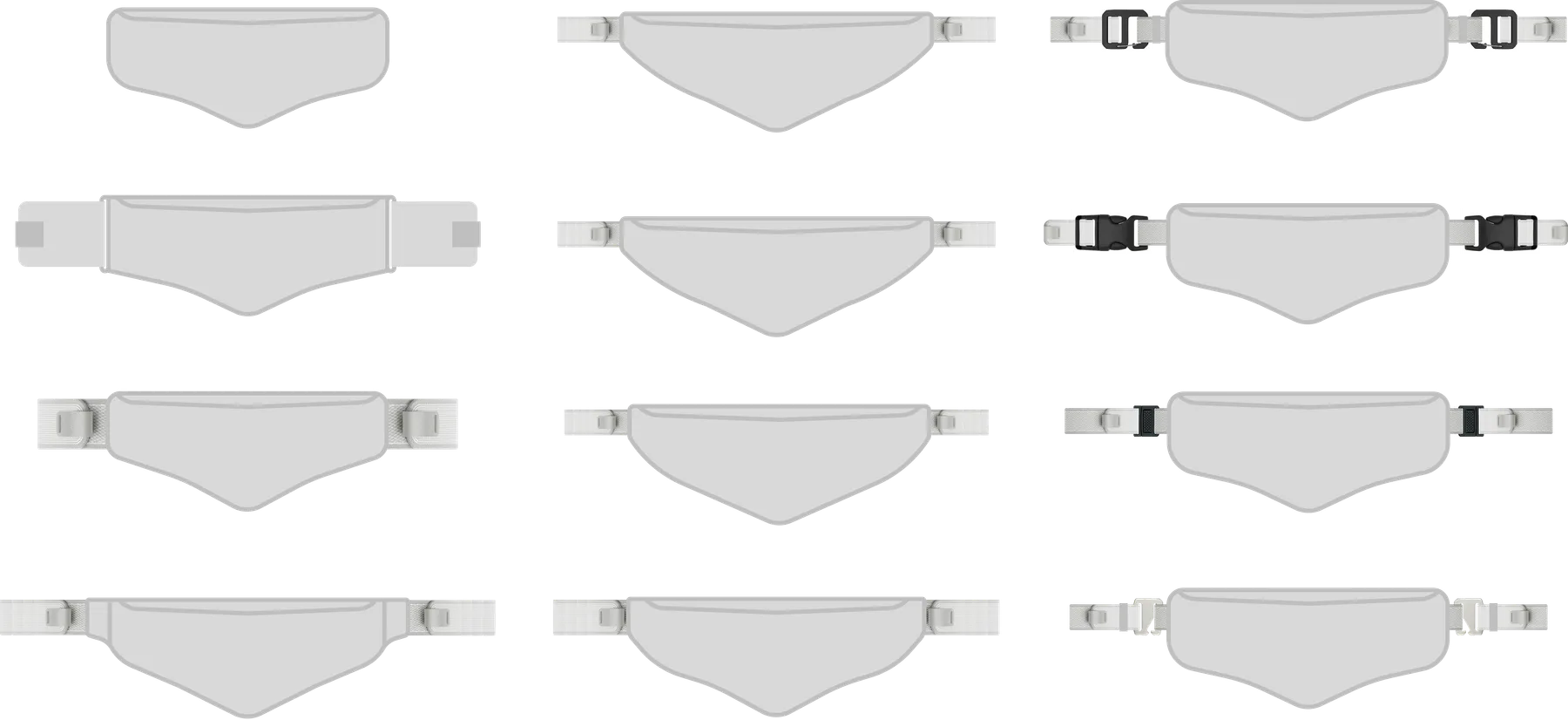
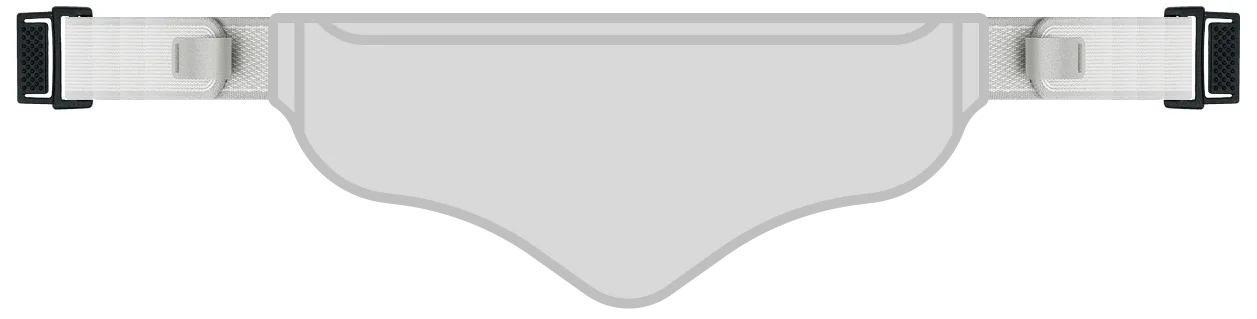
The belt is made from compression-knit nylon and uses a side-release buckle and hook-and-loop adjustment to create a secure, customizable fit. The modular pouches can be configured for abdomen, lower back, or both.
Keeping the electronics separate allows the belt to be machine washed, making it easy to remove sweat and skin oils from a product designed to be worn close to the body.
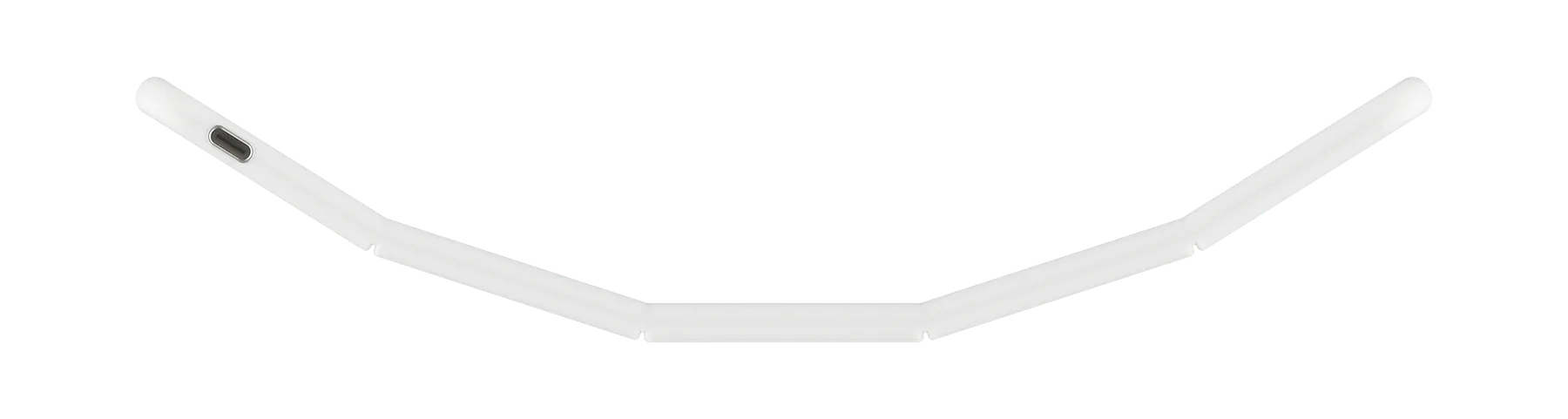
The removable heating pack is encased in flexible, soft-touch TPU. Inside, a graphene-coated textile distributes heat evenly across the treatment area, powered by three lithium-polymer battery cells that provide more than eight hours of continuous use.
Temperature and session controls are managed through the user’s phone via Bluetooth which eliminates the need to fuss with controls under one’s clothing to make adjustments.

Process
Three decisions drove the product design.
The first was establishing discretion as a core requirement. The solution could not just be portable. It needed to be unobtrusive during everyday activity. This informed almost every decision we made, including thickness, component placement, fastening, materials, and overall form.
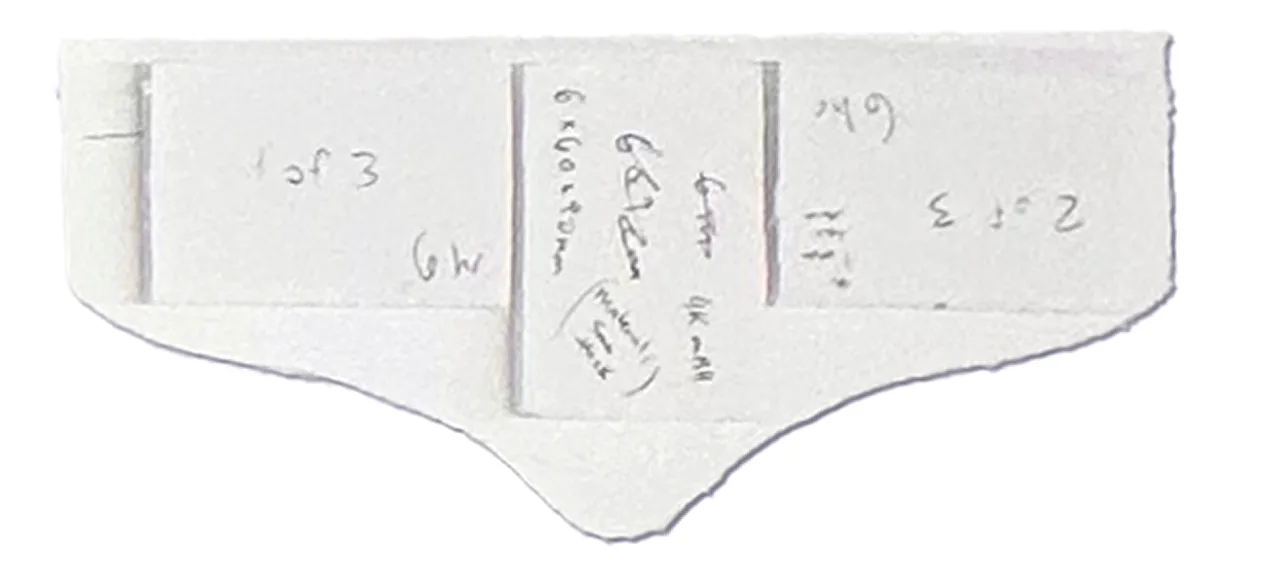
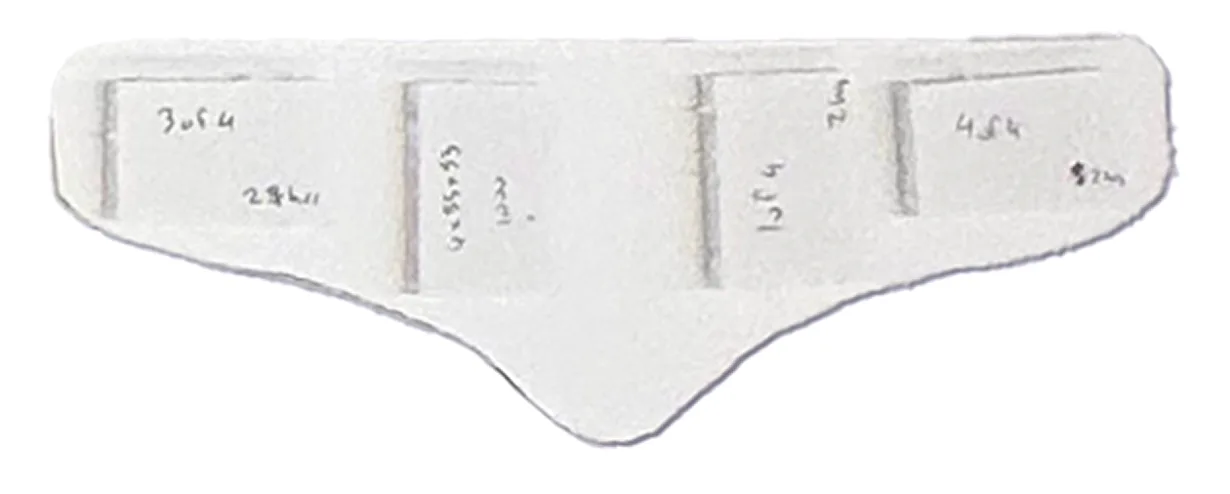
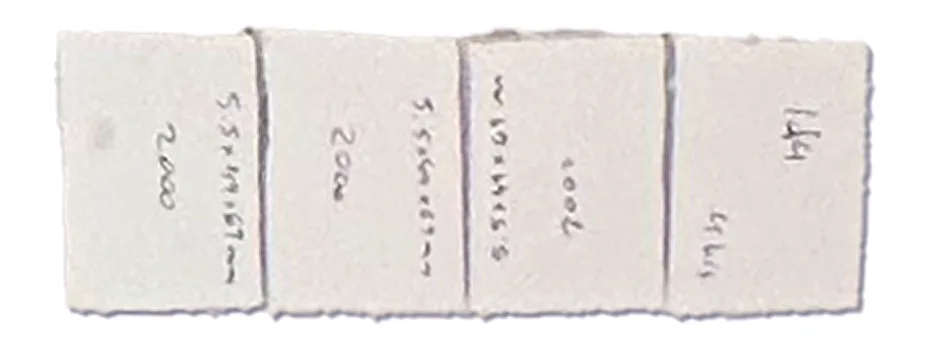
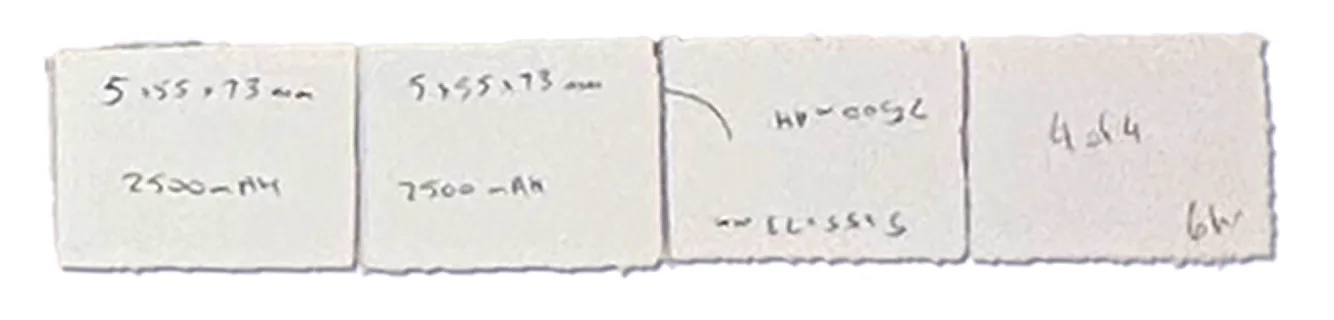
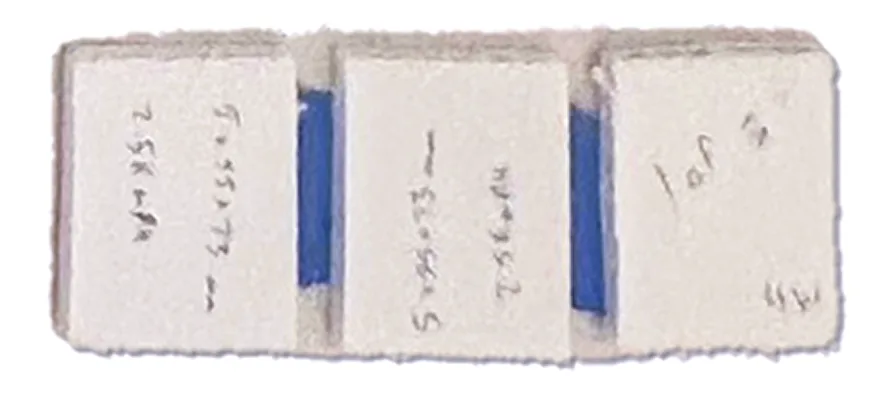
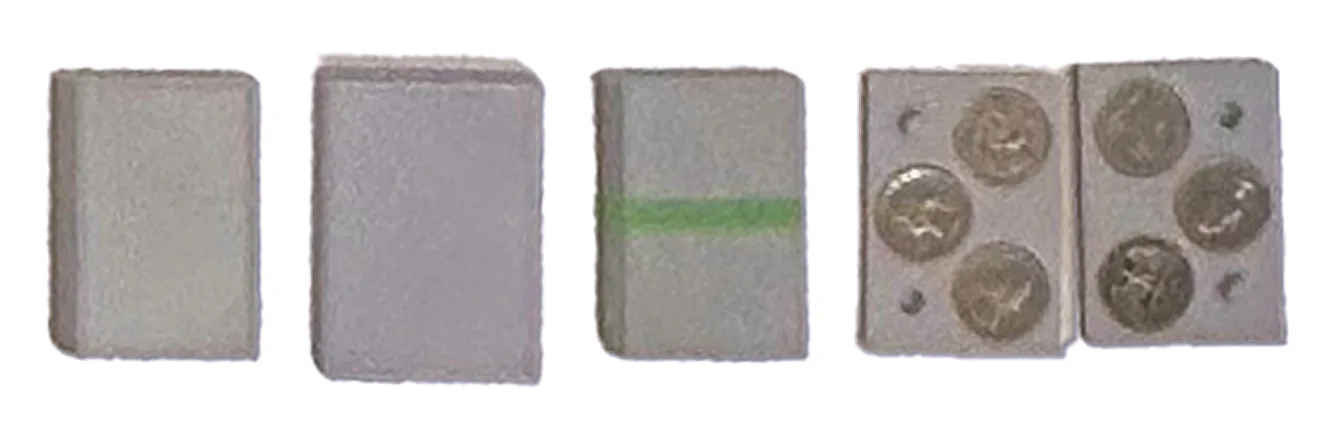
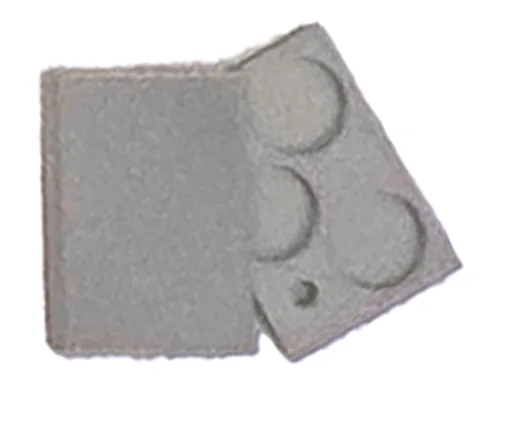
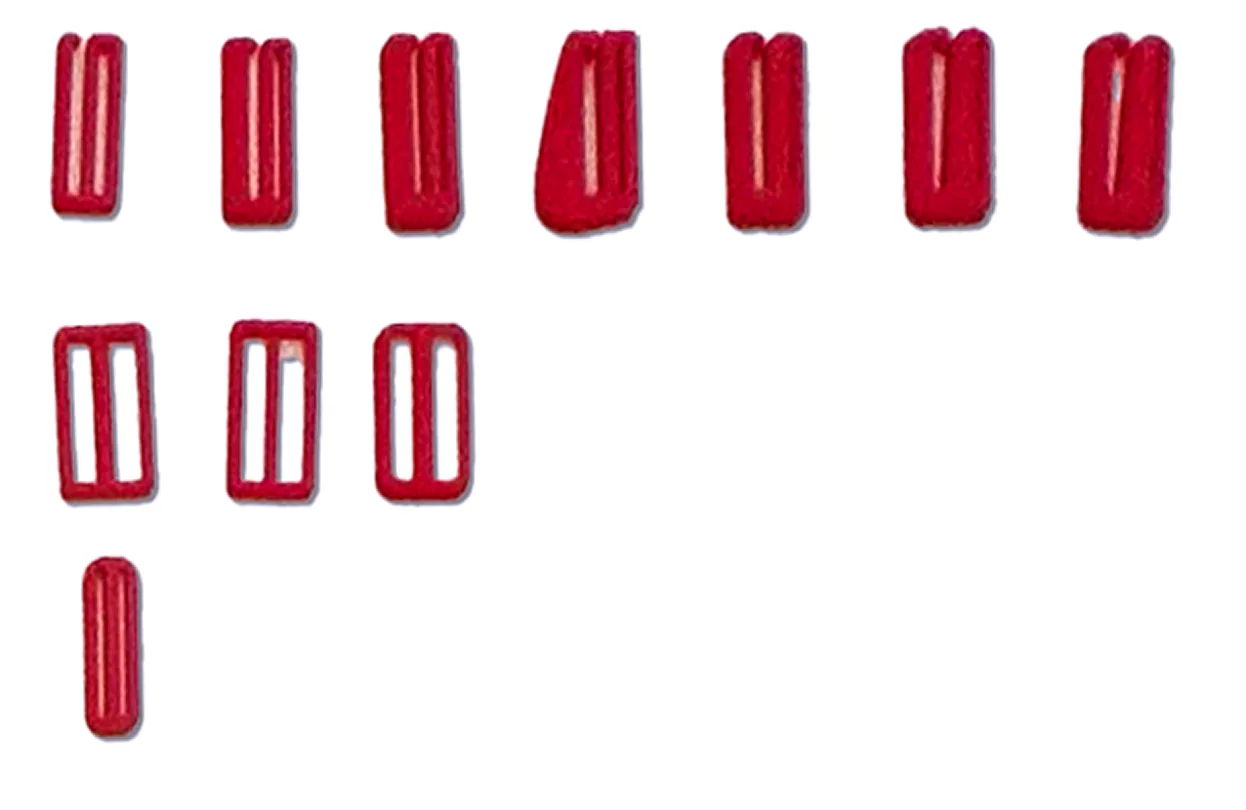


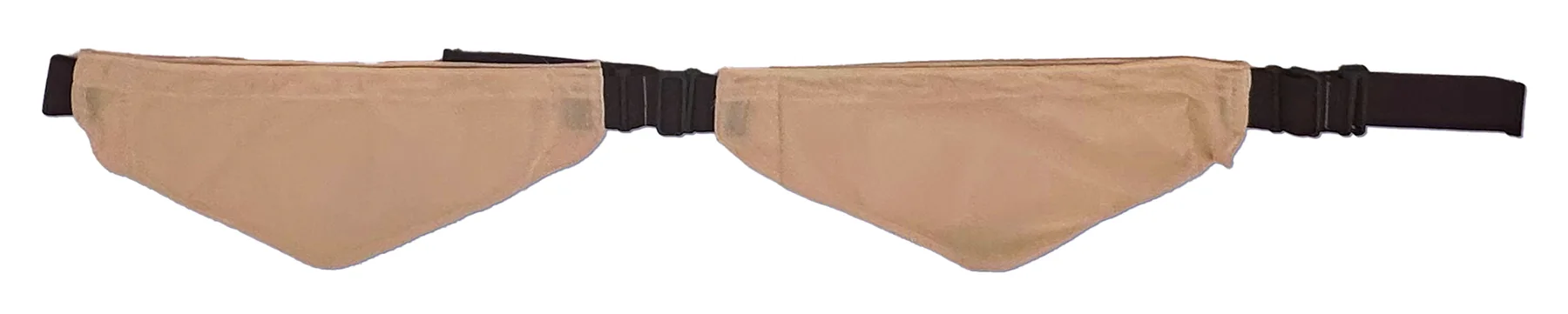
The second was that the heating system needed to be both effective and flexible. We compared several technologies based on heat output, thickness, power use, flexibility, and manufacturability. A graphene heating element offered the best overall balance, making it the strongest fit for a thin, wearable product.
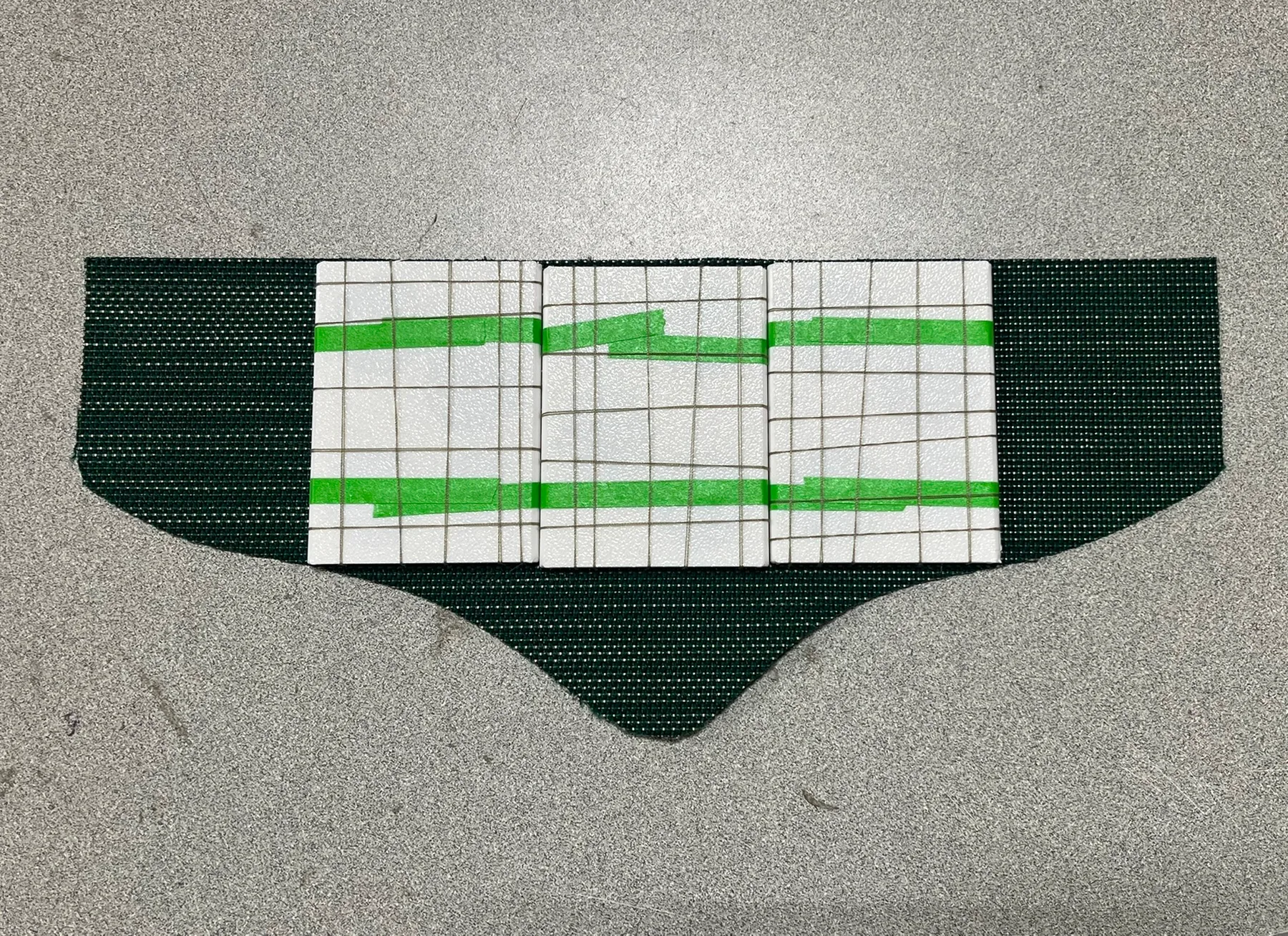
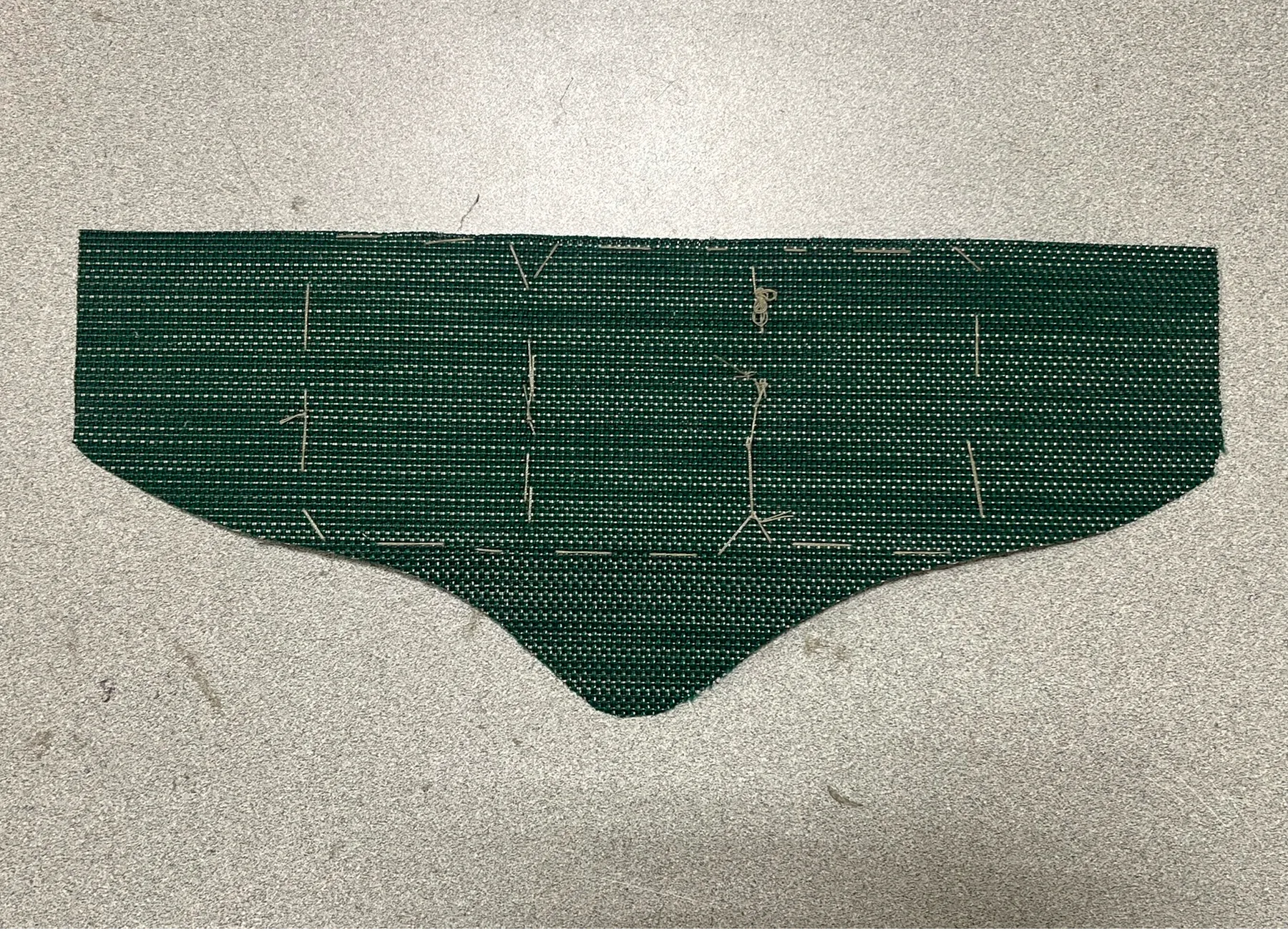
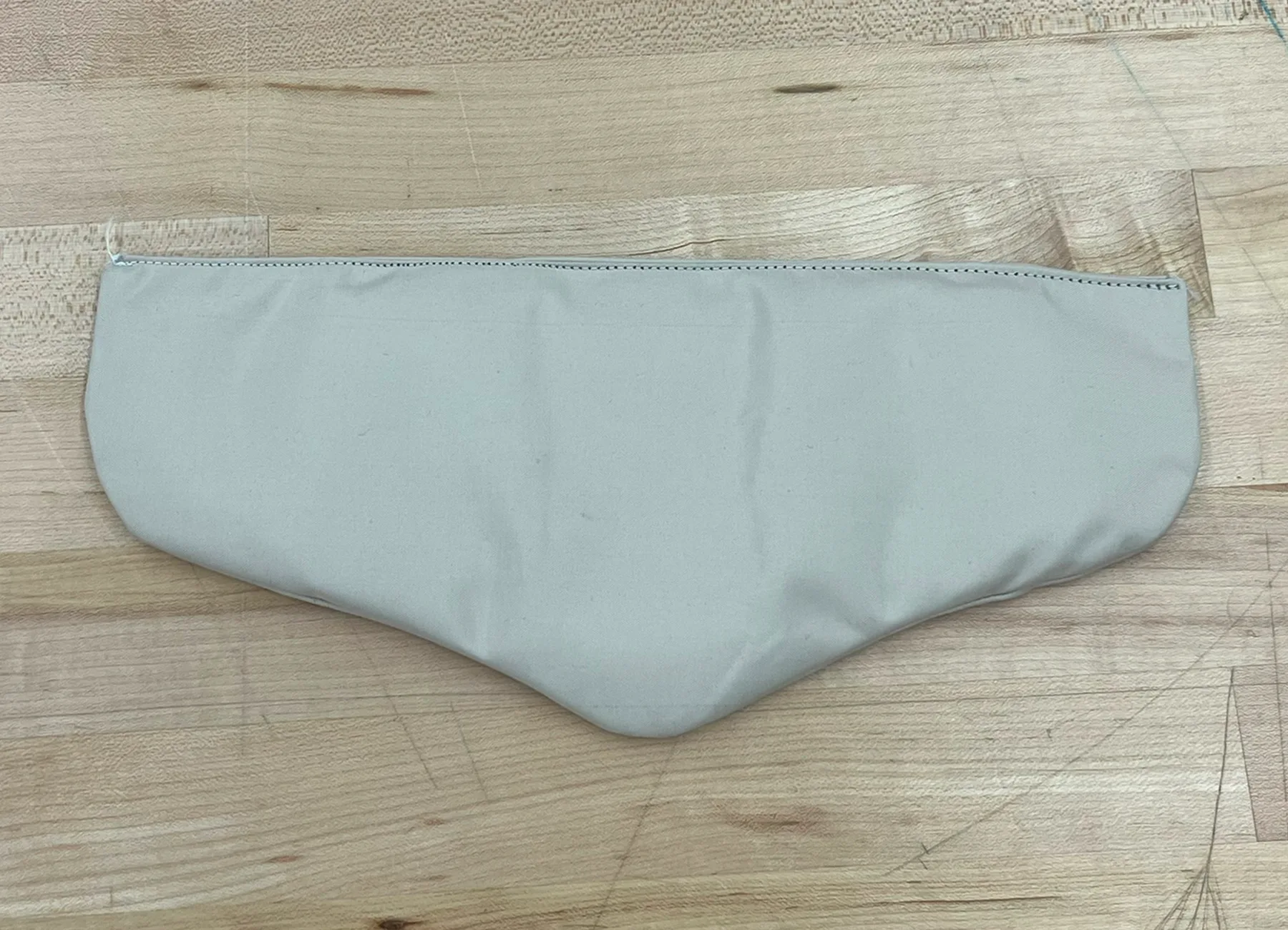
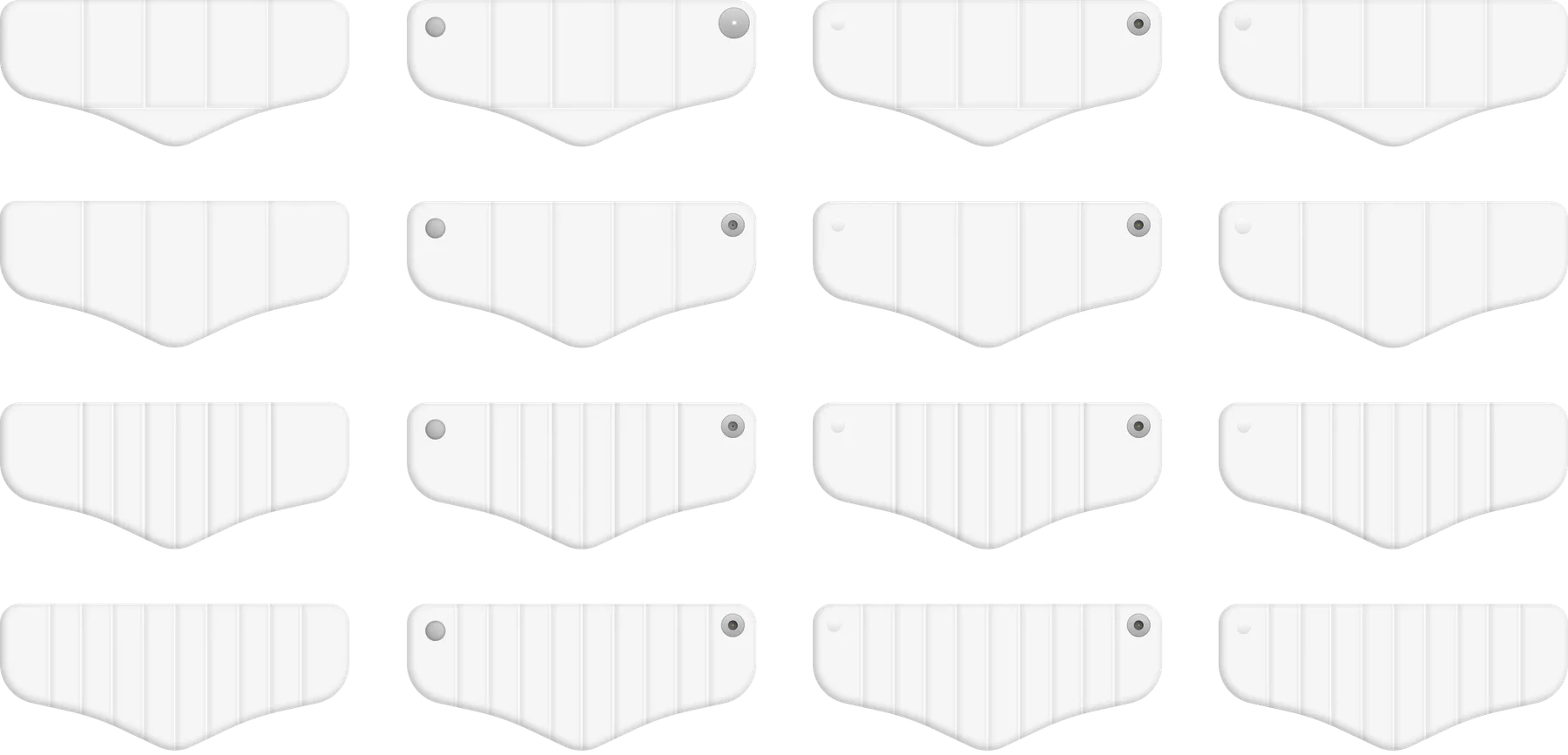
The third was determining how to package enough battery capacity into a wearable form factor. Rather than using a single large battery pack, we developed an architecture that distributes multiple lithium-polymer cells throughout the belt. This allows the product to better conform to the body, and provides the capacity required to target approximately 8–12 hours of use.
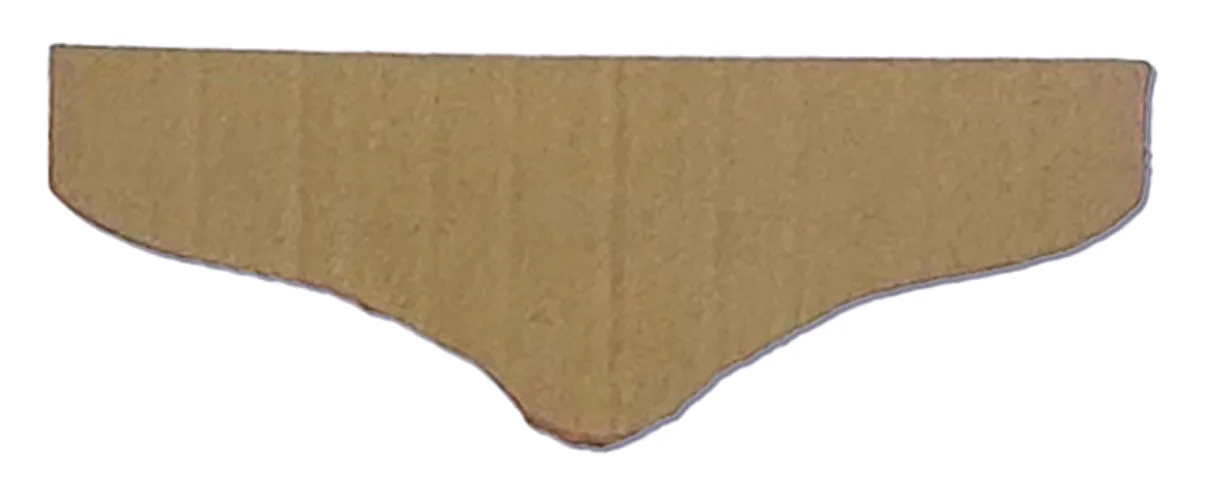
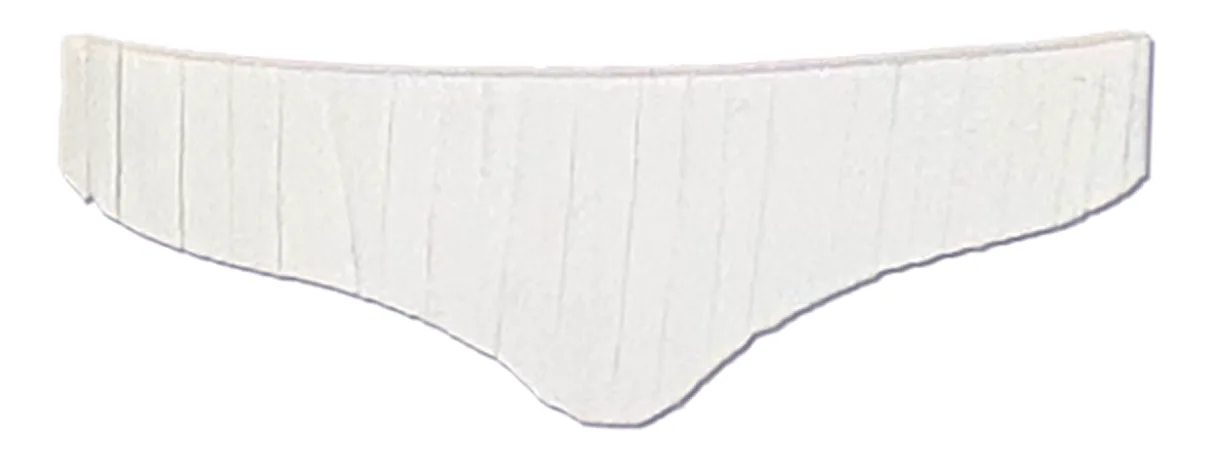
We also iterated on the physical product design. Belt proportions, fastening methods, materials, component placement, and heating coverage were refined through rapid prototyping to improve comfort and minimize visibility beneath clothing.


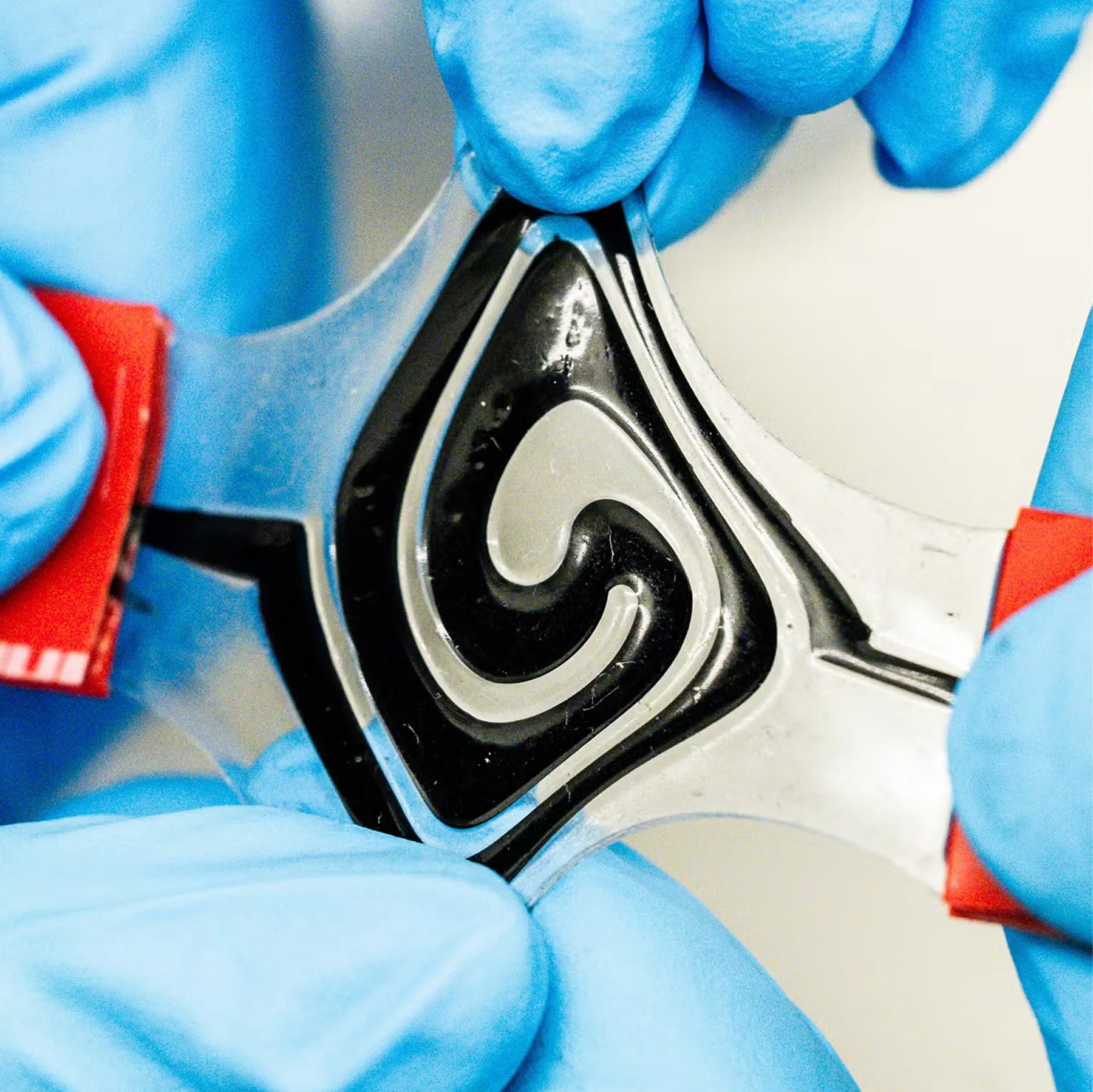
We also investigated emerging flexible batteries as a future development path. While not yet mature enough for production, this technology could eventually enable an even thinner, more comfortable form-factor.
Outcome
The development process resulted in a looks-like wearable prototype, defined product requirements, a preliminary bill of materials, and a technical architecture based on commercially available heating and battery technologies.
We also identified potential manufacturing partners and developed an investor-facing pitch outlining the need, market opportunity, product proposal, and path toward a functional prototype.
- Skills
- Product strategy
- User research
- Product requirements
- Industrial design
- Technology research
- Prototyping
- Visualization
- Team
- Maia Schlussel
- Shaivi Tomar
- Sage Rebino
- Erin Xi